

Bringing a dog home is exciting, but choosing the right breed can feel overwhelming when every website seems to recommend something different. While many dogs can become wonderful family companions, some breeds naturally excel around children thanks to their gentle temperament, trainability, and adaptability.
In this guide, you’ll learn what makes a great family dog, how to choose one that fits your lifestyle, and which breeds consistently stand out as excellent companions.
Key Takeaways
- Family dog breeds are chosen for their temperament, patience, trainability, and ability to adapt to life with children.
- Lifestyle compatibility is just as important as breed reputation when selecting a dog for your household.
- Labrador Retrievers, Golden Retrievers, and Cavalier King Charles Spaniels consistently rank among the most reliable family companions.
- Training and early socialization have a major influence on a dog’s behavior, regardless of breed.
- Exercise, grooming, and long-term care should always be considered before adopting any dog.
- Responsible ownership creates happy, confident dogs and strengthens the bond between pets and families.
What Are Family Dog Breeds?
Family dog breeds are dogs known for their friendly temperament, trainability, patience with children, and ability to adapt well to family life.
Although every dog has its own personality, certain breeds have been developed over generations for companionship, cooperation, or working closely with people. These traits often make them easier to integrate into households with children, other pets, and busy family routines.
A good family dog is typically:
- Friendly with adults and children
- Patient during play
- Easy to train using positive reinforcement
- Adaptable to different home environments
- Comfortable around visitors
- Social with other pets when properly introduced
However, it’s important to remember that breed alone does not guarantee behavior. Proper training, socialization, regular exercise, and responsible ownership all contribute to raising a well-mannered family companion. Learn more from our Complete Dog Breeds guide to understand the right choice for adoption.
Why Does Choosing the Right Family Dog Matter?
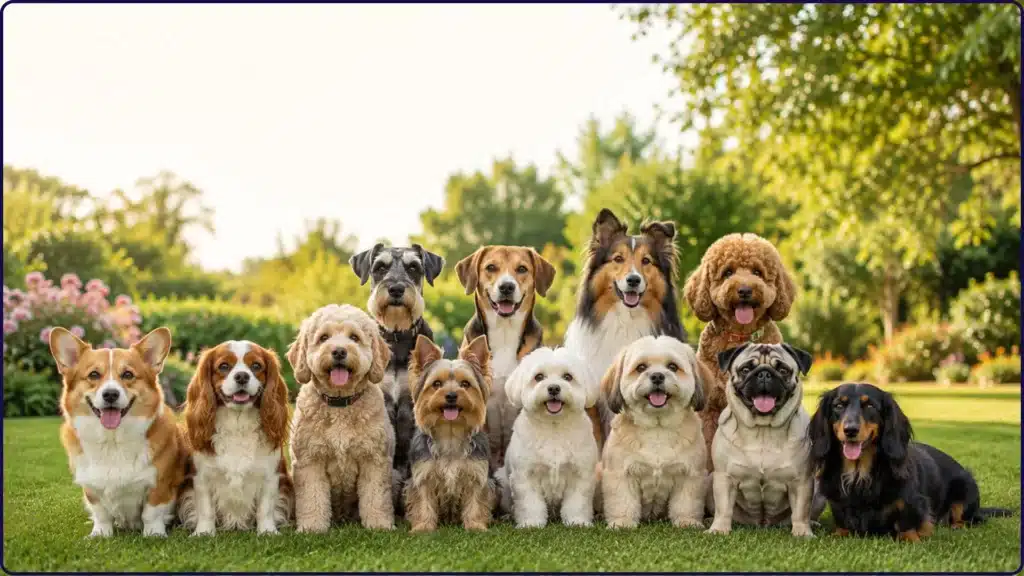
Choosing the right family dog helps create a safer, happier, and more rewarding relationship for both your family and your pet.
A dog becomes part of your household for many years. Selecting a breed that matches your family’s lifestyle reduces stress and improves the chances of a successful lifelong relationship.
Safety Around Children
Children and dogs build incredible friendships when interactions are supervised and respectful. Dogs known for their patience and predictable temperament generally handle family life more comfortably than breeds requiring highly experienced owners.
Teaching children how to approach, pet, and respect a dog’s boundaries is equally important.
Lifestyle Compatibility
Every family lives differently.
For example:
- Active families may enjoy hiking with an energetic Labrador Retriever.
- Apartment dwellers often appreciate smaller breeds like the Havanese.
- Busy professionals may prefer breeds with moderate exercise needs.
Matching energy levels prevents frustration for both the family and the dog.
Grooming and Maintenance
Some breeds require weekly brushing, while others need daily coat care and professional grooming.
Considering grooming requirements before adoption helps families choose a dog they can realistically care for throughout its life.
Long-Term Commitment
Most dogs live between 10 and 15 years, while some breeds live even longer.
Before adopting, think about:
- Veterinary expenses
- Food costs
- Training
- Grooming
- Exercise
- Travel arrangements
- Time available every day
Choosing responsibly benefits everyone involved.
How We Selected the Best Family Dog Breeds
Our recommendations are based on widely recognized breed characteristics, guidance from veterinary organizations and kennel clubs, and practical considerations for everyday family life.
Each breed was evaluated using these factors:
| Factor | Why It Matters |
|---|---|
| Temperament | Friendly, patient personality |
| Trainability | Easier for first-time owners |
| Child Friendliness | Comfortable around children |
| Energy Level | Matches different lifestyles |
| Grooming Needs | Ongoing maintenance required |
| Adaptability | Suitable for houses or apartments |
| Health Considerations | Common breed-related concerns |
| Social Nature | Compatibility with other pets |
No breed is perfect for every household, so we’ve highlighted both strengths and considerations to help you make an informed decision.
Best Large Family Dog Breeds

1. Labrador Retriever
The Labrador Retriever is widely regarded as one of the best family dog breeds thanks to its friendly personality, intelligence, and adaptable nature. Originally bred as a retrieving dog, the Labrador is eager to please, easy to train, and naturally sociable, making it an excellent companion for families of all sizes.
Labradors are affectionate, patient, and energetic dogs that enjoy spending time with people. They thrive in active households where they can participate in outdoor adventures, games, and family activities. Their gentle temperament and dependable nature have also made them one of the most popular service and therapy dog breeds in the world.
Strengths
- Exceptionally friendly and patient with children
- Highly intelligent and one of the easiest breeds to train
- Loyal, affectionate, and eager to please
- Gets along well with other dogs and household pets when properly socialized
- Excellent companion for active families, first-time owners, and outdoor enthusiasts
Considerations
- Requires 1–2 hours of daily exercise to stay healthy and happy
- Sheds throughout the year and benefits from regular brushing
- Can become overweight without proper diet and exercise
- Enjoys human companionship and may experience separation anxiety if left alone for long periods
Best For: Families with children, first-time dog owners, active households, homes with yards, and anyone looking for a loyal, intelligent, and versatile companion.
2. Golden Retriever
The Golden Retriever is one of the world’s most popular family dog breeds, celebrated for its friendly temperament, intelligence, and unwavering loyalty. Originally bred as a sporting and retrieving dog, the Golden Retriever is eager to please, highly trainable, and naturally gentle, making it an outstanding companion for families with children.
Golden Retrievers are affectionate dogs that thrive on human interaction and enjoy being involved in everyday family activities. Whether they’re playing fetch in the backyard, going for a hike, or relaxing at home, they are happiest when spending time with their people.
Strengths
- Exceptionally friendly and gentle with children
- Highly intelligent and easy to train
- Loyal, affectionate, and eager to please
- Gets along well with other dogs and pets when properly socialized
- Excellent companion for active families and first-time dog owners
Considerations
- Requires at least 1–2 hours of daily exercise
- Thick double coat sheds year-round and needs regular brushing
- Can be prone to obesity if overfed or under-exercised
- Enjoys companionship and may develop separation anxiety if left alone for long periods
Best For: Families with children, first-time dog owners, active households, and anyone looking for a friendly, intelligent, and dependable lifelong companion.
3. Bernese Mountain Dog
The Bernese Mountain Dog is a gentle, loyal, and affectionate working breed that makes an exceptional family companion. Originally bred in the Swiss Alps to work on farms, this large dog is known for its calm temperament, patience with children, and strong desire to be close to its family.
Despite their impressive size, Bernese Mountain Dogs are often described as gentle giants because of their sweet and easygoing nature. They thrive in homes where they receive plenty of companionship, moderate daily exercise, and regular outdoor time.
Strengths
- Gentle, patient, and affectionate with children
- Loyal and devoted to family members
- Intelligent and responds well to positive training
- Generally friendly with other pets when properly socialized
- Calm indoor temperament after adequate exercise
Considerations
- Thick double coat requires regular brushing and seasonal shedding management
- Prefers cooler climates and can overheat in hot weather
- Needs moderate daily exercise and mental stimulation
- Large size requires ample living space
- Has a shorter average lifespan than many other dog breeds
Best For: Families with children, homes with spacious yards, first-time owners prepared for a large breed, and anyone seeking a calm, loving, and dependable family companion.
4. Newfoundland
The Newfoundland is a gentle giant renowned for its calm temperament, patience, and unwavering devotion to its family. Originally bred as a working and water rescue dog, this powerful breed is naturally protective without being aggressive, making it one of the best large dog breeds for families with children.
Despite their impressive size, Newfoundlands are affectionate, gentle, and remarkably tolerant, often earning the nickname “nature’s babysitter.” They thrive in homes where they can spend plenty of time with their family and enjoy outdoor activities such as swimming and leisurely walks.
Strengths
- Exceptionally gentle and patient with children
- Loyal, affectionate, and protective of family members
- Intelligent and eager to please, making training easier
- Excellent swimmer with strong natural rescue instincts
- Generally friendly with other pets when properly socialized
Considerations
- Requires plenty of space due to its giant size
- Thick double coat needs regular brushing, especially during shedding seasons
- Heavy drooling is common
- Higher food, grooming, and veterinary costs than smaller breeds
- Prefers cooler climates and may struggle in hot weather
Best For: Families with children, spacious homes, experienced or committed dog owners, and those looking for a calm, gentle, and devoted companion.
5. Standard Poodle
The Standard Poodle is an exceptionally intelligent, elegant, and family-friendly breed known for its trainability and affectionate nature. Despite its refined appearance, the Standard Poodle was originally bred as a water retriever and is an active, athletic dog that enjoys both mental and physical challenges.
Standard Poodles form strong bonds with their families and are gentle, patient companions for children when properly socialized. Their low-shedding, curly coat also makes them a popular choice for families looking for a dog that produces less loose hair around the home.
Strengths
- Extremely intelligent and one of the easiest dog breeds to train
- Gentle, affectionate, and loyal with family members
- Excellent with children and other pets when socialized early
- Low-shedding coat compared to many other breeds
- Excels in obedience, agility, and other dog sports
Considerations
- Requires professional grooming or regular coat trimming every 4–8 weeks
- Needs daily exercise and mental stimulation to stay happy
- Can become bored or anxious if left alone for long periods
- Coat requires frequent brushing to prevent mats and tangles
Best For: Families with children, first-time owners committed to grooming, active households, and anyone looking for an intelligent, versatile, and affectionate companion.
6. Irish Setter
The Irish Setter is a friendly, energetic, and affectionate sporting breed that makes an excellent companion for active families. Famous for its beautiful mahogany-red coat and playful personality, this breed loves spending time with people and thrives in homes where it can be included in everyday activities.
Originally bred as a hunting dog, Irish Setters are intelligent, eager to please, and full of enthusiasm. They are typically gentle with children, sociable with other dogs, and happiest when they have plenty of opportunities to run, play, and explore outdoors.
Strengths
- Friendly, affectionate, and outgoing personality
- Excellent with children and active families
- Highly intelligent and responds well to positive training
- Social with other dogs and enjoys family activities
- Athletic companion for hiking, running, and outdoor adventures
Considerations
- Requires 1–2 hours of daily exercise
- Needs regular brushing to keep its long coat healthy
- Can become bored or mischievous without enough physical and mental stimulation
- May be overly enthusiastic around very young children due to its high energy
Best For: Active families, outdoor enthusiasts, homes with large yards, and owners who can provide plenty of exercise, training, and companionship.
7. Collie
The Collie is an intelligent, loyal, and gentle herding breed that has long been admired as one of the best family dogs. Known for its calm temperament and devotion, the Collie forms strong bonds with its family and is especially patient with children, making it an excellent choice for households with kids.
Originally bred to herd sheep, Collies are highly responsive to training and enjoy having a job to do. Their protective instincts are balanced by a friendly and affectionate nature, making them reliable companions for both active and relaxed family lifestyles.
Strengths
- Highly intelligent and easy to train
- Gentle, patient, and affectionate with children
- Loyal and devoted to family members
- Naturally protective without being overly aggressive
- Gets along well with other pets when properly socialized
Considerations
- Thick double coat requires regular brushing
- Needs daily exercise and mental stimulation
- Can be reserved around strangers until properly introduced
- May bark to alert the family of unfamiliar people or noises
Best For: Families with children, first-time dog owners, active households, and anyone looking for a loyal, intelligent, and gentle companion.
8. German Shorthaired Pointer
The German Shorthaired Pointer is an energetic, intelligent, and affectionate sporting breed that thrives in active family homes. Originally developed as a versatile hunting dog, this breed is highly trainable, eager to please, and enjoys participating in outdoor activities with its family.
With proper exercise, early socialization, and consistent training, German Shorthaired Pointers are loyal companions that form strong bonds with both adults and children. They do best with families who can provide plenty of physical activity and mental challenges.
Strengths
- Highly intelligent and quick to learn
- Affectionate and loyal with family members
- Excellent companion for active families
- Friendly with children when properly socialized
- Excels in hiking, running, swimming, and dog sports
Considerations
- Requires 1–2 hours of daily exercise
- Needs regular mental stimulation to prevent boredom
- May become destructive if left alone for long periods
- Best suited to homes with a yard or active owners
- Moderate shedding with occasional brushing required
Best For: Active families, outdoor enthusiasts, runners, hikers, and experienced or committed first-time dog owners who can meet this breed’s high energy needs.
Best Medium and Small Family Dog Breeds
Now that we’ve covered some of the best large family dogs, let’s explore medium and small breeds that are equally loving companions. These dogs can be excellent choices for families with different living situations, activity levels, and budgets.
Which Medium-Sized Dog Breeds Are Best for Families?

Medium-sized family dog breeds offer an excellent balance of energy, manageability, and companionship. They are often easier to handle than giant breeds while still being sturdy enough to enjoy active play with children.
9. Beagle
The Beagle is one of the most cheerful and friendly family dogs available. Originally bred as scent hounds, Beagles love being around people and generally enjoy the company of children.
Why Families Love Beagles
- Friendly and affectionate
- Curious personality
- Moderate size
- Usually gets along with other dogs
- Adaptable to many family lifestyles
Things to Consider
- Strong sense of smell can lead to wandering
- Needs daily walks and playtime
- Can be vocal when excited
Best For: Families with school-age children and secure backyards.
10. Boxer
The Boxer is playful, energetic, and incredibly devoted to its family. Despite their muscular appearance, Boxers are known for their affectionate personalities and patience with children.
Highlights
- Protective without being overly aggressive
- Highly loyal
- Loves interactive games
- Intelligent and eager to learn
Considerations
- Requires daily exercise
- Benefits from early obedience training
- Short coat but sheds moderately
Best For: Active families looking for both a playmate and a loyal companion.
11. Australian Shepherd
The Australian Shepherd is a highly intelligent working dog that thrives in active households.
Why Choose an Australian Shepherd?
- Exceptionally trainable
- Loves outdoor adventures
- Strong family bond
- Excels in agility and dog sports
Keep in Mind
- Needs plenty of physical activity
- Requires mental stimulation every day
- Not ideal for sedentary lifestyles
Best For: Families who enjoy hiking, camping, or outdoor sports.
12. English Springer Spaniel
The English Springer Spaniel combines friendliness, intelligence, and enthusiasm.
Strengths
- Gentle with children
- Easy to train
- Enjoys family activities
- Good with other pets
Challenges
- Requires regular grooming
- Needs consistent exercise
13. Brittany
The Brittany is an energetic sporting breed that loves spending time with its family.
Best Features
- Friendly temperament
- Easy to train
- Athletic and playful
- Great hiking companion
Considerations
- Needs lots of daily activity
- Prefers active owners
Which Small Dog Breeds Are Best for Families?

Small family dog breeds provide companionship without requiring as much living space as larger dogs. Many are affectionate lap dogs that also enjoy playtime with children.
14. Cavalier King Charles Spaniel
The Cavalier King Charles Spaniel is often considered one of the most affectionate companion breeds.
Why Families Love Cavaliers
- Extremely gentle
- Loves cuddling
- Friendly with children
- Good with other pets
- Adaptable to apartments
Things to Consider
- Regular brushing required
- Moderate exercise needs
Best For: Families seeking a calm, affectionate companion.
15. Bichon Frise
The Bichon Frise is cheerful, playful, and known for its fluffy white coat.
Advantages
- Friendly personality
- Low-shedding coat
- Great apartment dog
- Loves people
Considerations
- Professional grooming required
- Can develop separation anxiety
16. Havanese
The Havanese thrives on human companionship and enjoys spending time with children.
Highlights
- Easy-going personality
- Intelligent
- Excellent apartment pet
- Adaptable lifestyle
Challenges
- Coat requires regular maintenance
- Prefers not to be left alone for long periods
17. Cocker Spaniel
The Cocker Spaniel is affectionate, playful, and eager to please.
Pros
- Gentle nature
- Loves family activities
- Highly trainable
- Friendly with children
Cons
- Frequent grooming
- Ear care is essential
18. Boston Terrier
The Boston Terrier is a compact dog with a lively personality.
Why They’re Great
- Friendly disposition
- Minimal grooming
- Apartment friendly
- Moderate exercise needs
Considerations
- Sensitive to extreme heat
- Flat-faced breeds may experience breathing issues
What is the #1 best family dog?
The Labrador Retriever is widely considered the #1 best family dog because it combines a friendly temperament, intelligence, loyalty, and adaptability. Labradors are patient with children, easy to train, and generally get along well with other pets. They also enjoy family activities, making them an excellent choice for both first-time and experienced dog owners.
Why it’s #1:
- Excellent with children of all ages
- Highly intelligent and easy to train
- Friendly with other pets
- Loyal and affectionate
- Adaptable to different lifestyles
- Great for active families
What is the best low-maintenance family dog?
The Boston Terrier is one of the best low-maintenance family dogs. Its short coat requires minimal grooming, and it has moderate exercise needs while remaining affectionate and friendly with children.
Other low-maintenance family dogs include:
- Boston Terrier
- Beagle
- Boxer
- Labrador Retriever
- Whippet
- French Bulldog (moderate exercise but sensitive to heat)
What is the calmest family dog?
The Cavalier King Charles Spaniel is often considered one of the calmest family dog breeds. It has a gentle, affectionate personality and enjoys spending time with both adults and children without requiring excessive exercise.
Other calm family dogs include:
- Cavalier King Charles Spaniel
- Bernese Mountain Dog
- Newfoundland
- Golden Retriever
- Greyhound
- Basset Hound
What are the top 5 friendliest dogs?
These breeds are consistently ranked among the friendliest dog breeds due to their outgoing personalities and love of people.
| Rank | Dog Breed | Why They’re Friendly |
|---|---|---|
| 🥇 1 | Labrador Retriever | Friendly, loyal, gentle, and great with kids and other pets. |
| 🥈 2 | Golden Retriever | Affectionate, patient, intelligent, and eager to please. |
| 🥉 3 | Cavalier King Charles Spaniel | Gentle, loving, and enjoys cuddling with everyone. |
| 4 | Beagle | Cheerful, sociable, and loves being around people and other dogs. |
| 5 | Bichon Frise | Happy, playful, and friendly with children, strangers, and other pets. |
What Are the Best Family Dogs for Apartment Living?

Apartment-friendly family dogs are breeds that can thrive in smaller living spaces when given adequate exercise and mental stimulation.
Top apartment choices include:
- Cavalier King Charles Spaniel
- Havanese
- Boston Terrier
- Bichon Frise
- Standard Poodle
- Cocker Spaniel
Apartment living doesn’t automatically mean a small dog is the best choice. Some larger breeds are surprisingly calm indoors, while certain small breeds have very high energy levels.
Which Dogs Are Best for Families With Young Children?
Gentle, patient, and predictable dogs are usually the best companions for families with toddlers and young children.
Excellent choices include:
- Labrador Retriever
- Golden Retriever
- Newfoundland
- Cavalier King Charles Spaniel
- Bernese Mountain Dog
- Beagle
Regardless of breed, young children should always be supervised during interactions with dogs. Teaching children how to approach and respect a dog’s space helps prevent accidents and builds a positive relationship.
Which Dog Breeds Are Best for Active Families?
Families who enjoy outdoor adventures often benefit from energetic breeds that love exercise.
Popular choices include:
- Labrador Retriever
- Australian Shepherd
- Brittany
- Boxer
- Golden Retriever
- German Shorthaired Pointer
These breeds enjoy activities such as:
- Hiking
- Running
- Swimming
- Fetch
- Agility training
- Camping trips
Regular exercise not only keeps these dogs physically fit but also reduces boredom-related behaviors.
Which Family Dog Breeds Require the Least Grooming?

If your family has a busy schedule, choosing a lower-maintenance breed can save both time and grooming expenses.
Some of the easiest breeds to maintain include:
- Boston Terrier
- Boxer
- Beagle
- Labrador Retriever
- German Shorthaired Pointer
Although these breeds have shorter coats, they still benefit from routine brushing, nail trimming, ear cleaning, and regular veterinary care.
Family Dog Comparison Table
| Breed | Size | Kid Friendly | Trainability | Grooming | Energy | Apartment Friendly |
|---|---|---|---|---|---|---|
| Labrador Retriever | Large | ⭐⭐⭐⭐⭐ | ⭐⭐⭐⭐⭐ | Moderate | High | Moderate |
| Golden Retriever | Large | ⭐⭐⭐⭐⭐ | ⭐⭐⭐⭐⭐ | High | High | Moderate |
| Beagle | Medium | ⭐⭐⭐⭐☆ | ⭐⭐⭐⭐☆ | Low | Moderate | Good |
| Boxer | Medium | ⭐⭐⭐⭐⭐ | ⭐⭐⭐⭐☆ | Low | High | Moderate |
| Australian Shepherd | Medium | ⭐⭐⭐⭐☆ | ⭐⭐⭐⭐⭐ | Moderate | Very High | Fair |
| Cavalier King Charles Spaniel | Small | ⭐⭐⭐⭐⭐ | ⭐⭐⭐⭐☆ | Moderate | Moderate | Excellent |
| Boston Terrier | Small | ⭐⭐⭐⭐☆ | ⭐⭐⭐⭐☆ | Low | Moderate | Excellent |
| Bichon Frise | Small | ⭐⭐⭐⭐☆ | ⭐⭐⭐⭐☆ | High | Moderate | Excellent |
| Havanese | Small | ⭐⭐⭐⭐⭐ | ⭐⭐⭐⭐☆ | High | Moderate | Excellent |
| Newfoundland | Giant | ⭐⭐⭐⭐⭐ | ⭐⭐⭐⭐☆ | High | Moderate | Poor |
Practical Tips for Choosing the Right Family Dog
Choosing the right breed involves more than simply picking the cutest puppy.
Before making your decision, consider:
- Your family’s activity level
- Home size
- Time available for training
- Grooming commitment
- Monthly pet care budget
- Presence of young children
- Other pets in the home
- Vacation and travel plans
Meeting a dog in person—whether at a responsible breeder or an adoption shelter—can help you better understand its personality and whether it’s a good fit for your household.
What Are the Most Common Mistakes Families Make When Choosing a Dog?
Many families choose a dog based on appearance instead of compatibility, which can lead to behavioral challenges and unmet expectations.
Avoid these common mistakes when selecting a family dog:
- Choosing based only on appearance
- Underestimating exercise needs
- Ignoring grooming requirements
- Skipping puppy training classes
- Bringing home a dog without preparing the house
- Expecting children to handle all pet responsibilities
- Not researching breed-specific health concerns
A thoughtful decision today can lead to many happy years with your new companion.
Puppy or Adult Dog: Which Is Better for Your Family?
Both puppies and adult dogs can become wonderful family pets, but the right choice depends on your family’s lifestyle, experience, and available time.
Puppies require significant time for house training, socialization, and obedience training. Adult dogs are often calmer, may already have basic manners, and their personalities are fully developed, making it easier to find one that matches your family.
Puppy vs. Adult Dog Comparison
| Feature | Puppy | Adult Dog |
|---|---|---|
| Training | Requires full training | May already know basic commands |
| Energy Level | Very high | Usually calmer |
| Personality | Still developing | Well established |
| House Training | Usually required | Often already trained |
| Time Commitment | High | Moderate |
| Good for First-Time Owners | With commitment | Often yes |
Choose a Puppy If:
- You enjoy training from the beginning.
- Your family has plenty of time every day.
- You want to experience every stage of your dog’s life.
Choose an Adult Dog If:
- You want a calmer companion.
- You have limited time for puppy training.
- You prefer knowing the dog’s personality before adoption.
How Much Does a Family Dog Cost in the First Year?

The first year of dog ownership is usually the most expensive because it includes adoption or purchase fees, veterinary care, vaccinations, training, and essential supplies.
Actual costs vary by country, breed, and location, but planning a realistic budget helps families prepare for responsible pet ownership.
Estimated First-Year Expenses
| Expense | Estimated Cost (USD) |
| Adoption or Purchase | $100–$2,500+ |
| Initial Veterinary Care | $300–$700 |
| Vaccinations | $100–$300 |
| Spay or Neuter | $150–$500 |
| Food | $400–$900 |
| Crate & Bed | $100–$250 |
| Toys | $75–$200 |
| Grooming | $150–$800 |
| Training Classes | $150–$500 |
| Pet Insurance (Optional) | $250–$700 |
Planning ahead ensures you can provide consistent care throughout your dog’s life.
Family Dog Adoption Checklist
Preparing your home before bringing a dog home makes the transition smoother for both your family and your new pet.
Use this checklist before adoption:
Home Preparation
- ✔ Choose a veterinarian
- ✔ Purchase food and water bowls
- ✔ Buy a comfortable bed
- ✔ Get a properly sized crate
- ✔ Purchase a collar and ID tag
- ✔ Buy a leash and harness
- ✔ Stock healthy treats
- ✔ Prepare chew toys
- ✔ Puppy-proof your home
- ✔ Secure electrical cords
- ✔ Store harmful chemicals safely
Family Preparation
- ✔ Assign feeding responsibilities
- ✔ Decide walking schedules
- ✔ Teach children proper dog etiquette
- ✔ Establish house rules
- ✔ Plan daily exercise time
What’s Next After Choosing Your Family Dog?
Selecting the right breed is only the first step toward building a lifelong relationship with your new companion.
Once you’ve narrowed down your options:
- Research reputable breeders or adoption organizations.
- Meet the dog before making a decision.
- Schedule a veterinary examination.
- Prepare your home with essential supplies.
- Enroll in a positive reinforcement training class.
- Begin socialization immediately.
- Establish consistent daily routines.
Building trust takes time, patience, and consistency, but the rewards are immeasurable.
Conclusion
The best family dog is the one that fits your family’s lifestyle, experience, and long-term commitment—not simply the most popular breed.
Whether you’re drawn to the dependable Labrador Retriever, the gentle Golden Retriever, the affectionate Cavalier King Charles Spaniel, or the cheerful Beagle, every breed has unique strengths that can enrich family life.
Before making your decision, spend time meeting different dogs, ask responsible breeders or adoption organizations questions, and honestly assess your home’s space, activity level, and available time. A thoughtful choice today lays the foundation for years of companionship, loyalty, and unforgettable memories.
At BowBowMeow.com, we believe responsible pet ownership begins with informed decisions. We hope this guide helps you find the perfect four-legged family member and gives you the confidence to start your journey together.
Frequently Asked Questions
1. What is the best family dog overall?
A. The Labrador Retriever is widely considered one of the best family dogs because of its friendly temperament, intelligence, and adaptability.
2. Which dog breed is safest around children?
A. Golden Retrievers, Labrador Retrievers, Newfoundland’s, Bernese Mountain Dogs, and Cavalier King Charles Spaniels are well known for their gentle personalities when properly trained and supervised.
3. What dog is easiest for first-time owners?
A. Labrador Retrievers, Golden Retrievers, Cavalier King Charles Spaniels, and Bichon Frises are excellent choices for many first-time owners.
4. Are large dogs better with kids?
A. Not necessarily. Many large breeds are exceptionally gentle, while some small breeds are equally patient and affectionate. Individual temperament, training, and supervision are more important than size.
5. Which family dogs require the least grooming?
A. Boston Terriers, Boxers, Beagles, Labrador Retrievers, and German Shorthaired Pointers have relatively low grooming needs.
6. What are the best apartment-friendly family dogs?
A. Havanese, Boston Terriers, Cavalier King Charles Spaniels, Bichon Frises, and Cocker Spaniels adapt well to apartment living when exercised regularly.
7. Which dog breeds are easiest to train?
A. Labrador Retrievers, Golden Retrievers, Standard Poodles, Australian Shepherds, and Collies are among the easiest breeds to train due to their intelligence and eagerness to learn.
8. Can rescue dogs make good family pets?
A. Absolutely. Many rescue dogs become loving family companions when matched with the right household and given proper training, patience, and care.
9. Which dog breeds live the longest?
A. Smaller breeds generally have longer lifespans. Havanese, Boston Terriers, Bichon Frises, and Cavalier King Charles Spaniels often live between 12 and 16 years with proper care.
10. How much exercise do family dogs need?
A. Exercise needs vary by breed. Some dogs need only 30 minutes daily, while active breeds such as Australian Shepherds and Labrador Retrievers often require one to two hours of physical activity and mental stimulation.
Editorial Disclosure: This article was researched and written by the BowBowMeow editorial team using trusted veterinary and breed-specific sources. Our recommendations are based on expert guidance and independent research. If this page contains affiliate links, we may earn a commission at no extra cost to you. Learn more in our Editorial Policy.

Hi, I’m Jak, the founder of BowBowMeow.com and a passionate pet parent who shares life with both a dog and a cat. I created this website to help fellow pet owners find reliable, easy-to-understand information about pet care, nutrition, behavior, grooming, training, and breed-specific topics.
Drawing from both extensive research and hands-on experience as a pet owner, I aim to provide practical, trustworthy content that helps dogs and cats live happier, healthier lives.
Disclaimer: I am not a veterinarian or certified animal professional. The information shared on BowBowMeow.com is for educational purposes only and should not replace professional veterinary advice, diagnosis, or treatment.