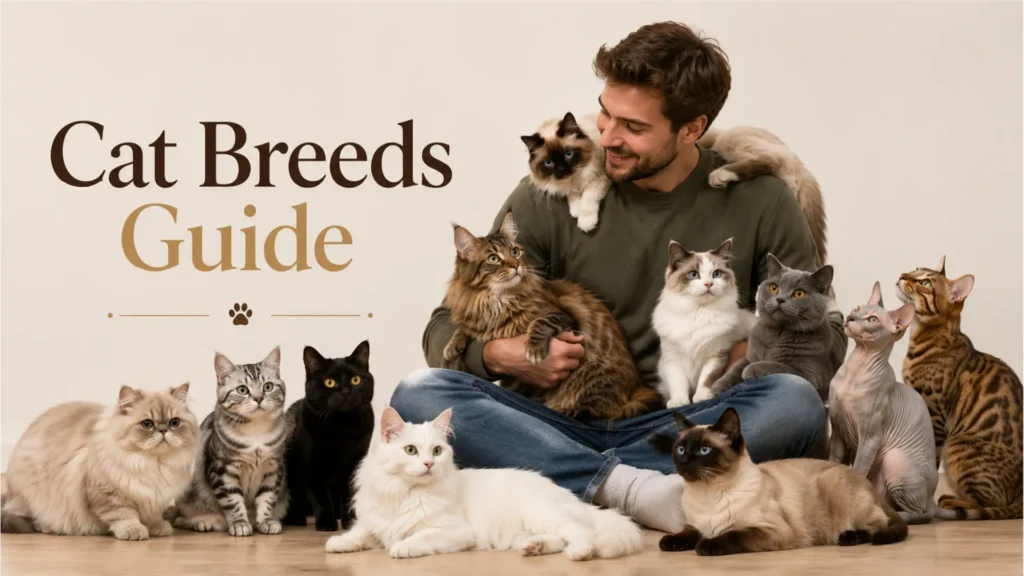
If you’re looking for a cat that loves cuddles, follows you around the house, and enjoys spending time with people, you’re not alone. But not every friendly-looking cat has the same personality, and choosing the wrong breed can lead to mismatched expectations.
In this guide, you’ll discover the most affectionate cat breeds, learn what makes them so loving, and find the perfect feline companion for your lifestyle.
Key Takeaways
- Affectionate cat breeds are known for enjoying close human interaction, cuddling, and forming strong bonds with their owners.
- Cat breed temperament influences affection, but early socialization and individual personality also play major roles.
- Ragdolls, Maine Coons, Burmese, Siamese, and Ragamuffins consistently rank among the most affectionate cat breeds.
- Choosing a cat that matches your lifestyle matters more than picking the single highest-ranked affectionate breed.
- Regular play, positive reinforcement, and proper care help strengthen the bond between cats and their owners.
- Families, seniors, and first-time owners often benefit from choosing naturally friendly, people-oriented cats.
- Meeting a cat before adoption gives you real insight into its personality and how well it fits your home.
What Are Affectionate Cat Breeds?
Affectionate cat breeds are cat breeds that naturally enjoy close interaction, physical affection, and strong social bonds with humans. These cats tend to seek out laps, follow their owners from room to room, and respond warmly to petting, talking, and play.
Affection in cats isn’t the same as clinginess – an affectionate cat enjoys your company without necessarily demanding constant attention or panicking when you leave.
Genetics play a real role here. Breeds like the Ragdoll and Burmese were selectively bred over generations for gentle, people-oriented temperaments, so their offspring tend to inherit those same traits. At the same time, environment matters just as much.
A kitten that’s handled gently and exposed to people during its first two to seven weeks of life, the critical socialization window identified by feline behaviorists, is far more likely to grow into a confident, affectionate adult, regardless of breed.
It’s also worth separating breed personality from individual personality. A Persian is generally calmer and more reserved than a Siamese, but any individual cat, purebred or mixed, can defy the stereotype. For more on how genetics and breed standards shape personality, see our complete cat breeds guide.
Why Choosing an Affectionate Cat Matters
Choosing an affectionate cat breed matters because it directly affects how satisfying and stress-free your relationship with your pet will be. Owners who adopt a cat expecting a lap companion, only to bring home a more independent or skittish breed, often feel disappointed and may even rehome the cat.
First, affectionate cats offer real emotional companionship. Interacting with a cuddly, responsive cat has been linked to lower stress and improved mood, which is one reason therapy animal programs increasingly include cats alongside dogs. Moreover, affectionate breeds tend to adapt better to busy households, since they’re more tolerant of handling, noise, and changes in routine.
For families with children, this matters even more. A cat that enjoys being picked up, petted, and included in daily activity is simply a safer, more predictable companion for kids than a breed that startles easily.
As such, affectionate breeds are also often recommended for first-time owners, since their predictable, people-seeking behavior reduces the learning curve of cat ownership.
Cat ownership has grown sharply in recent years. Roughly 49 million U.S. households now own at least one cat, up 23% from 40 million the year before — Source: American Pet Products Association, 2025. That surge means more first-time owners than ever are choosing a breed for the first time, which makes understanding affection levels especially important right now.
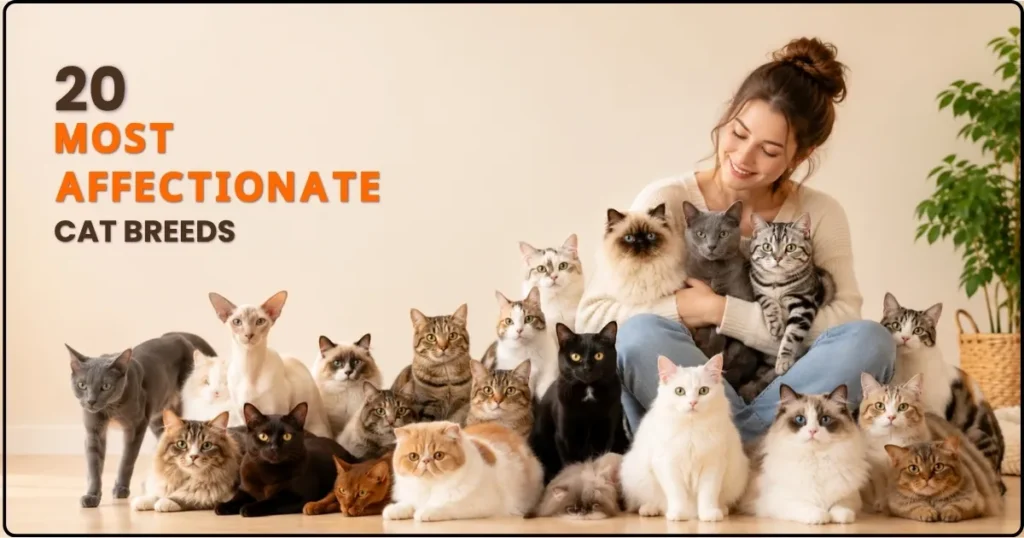
The 20 Most Affectionate Cat Breeds
Let’s explore the breeds that consistently rank highest for affection, based on breed standards from major cat fancier organizations and feedback from veterinary behaviorists. Each entry covers personality, care needs, and who the breed suits best.
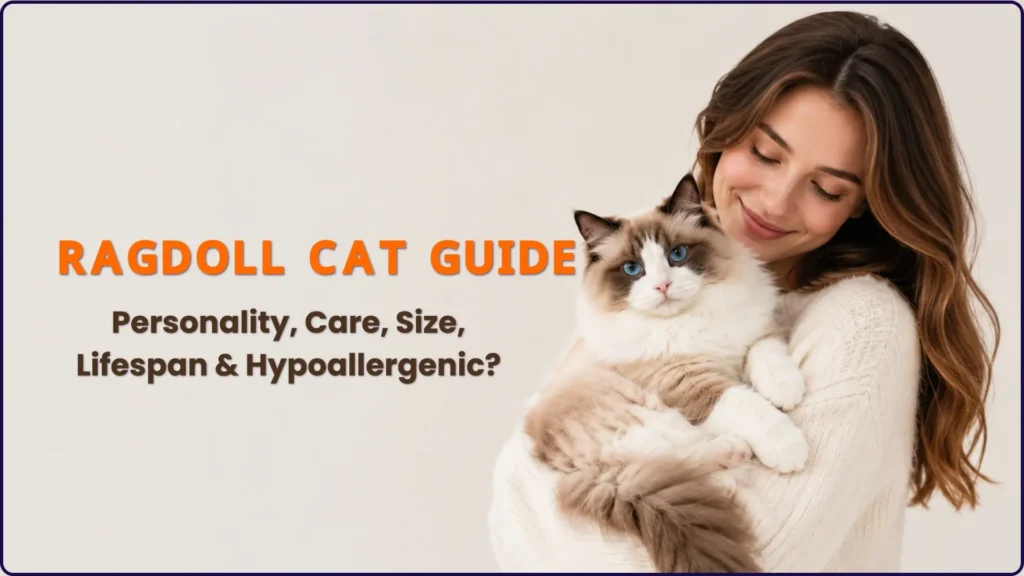
1. Ragdoll
Ragdolls are large, semi-long-haired cats best known for going limp with relaxation when picked up, which is exactly how the breed got its name.
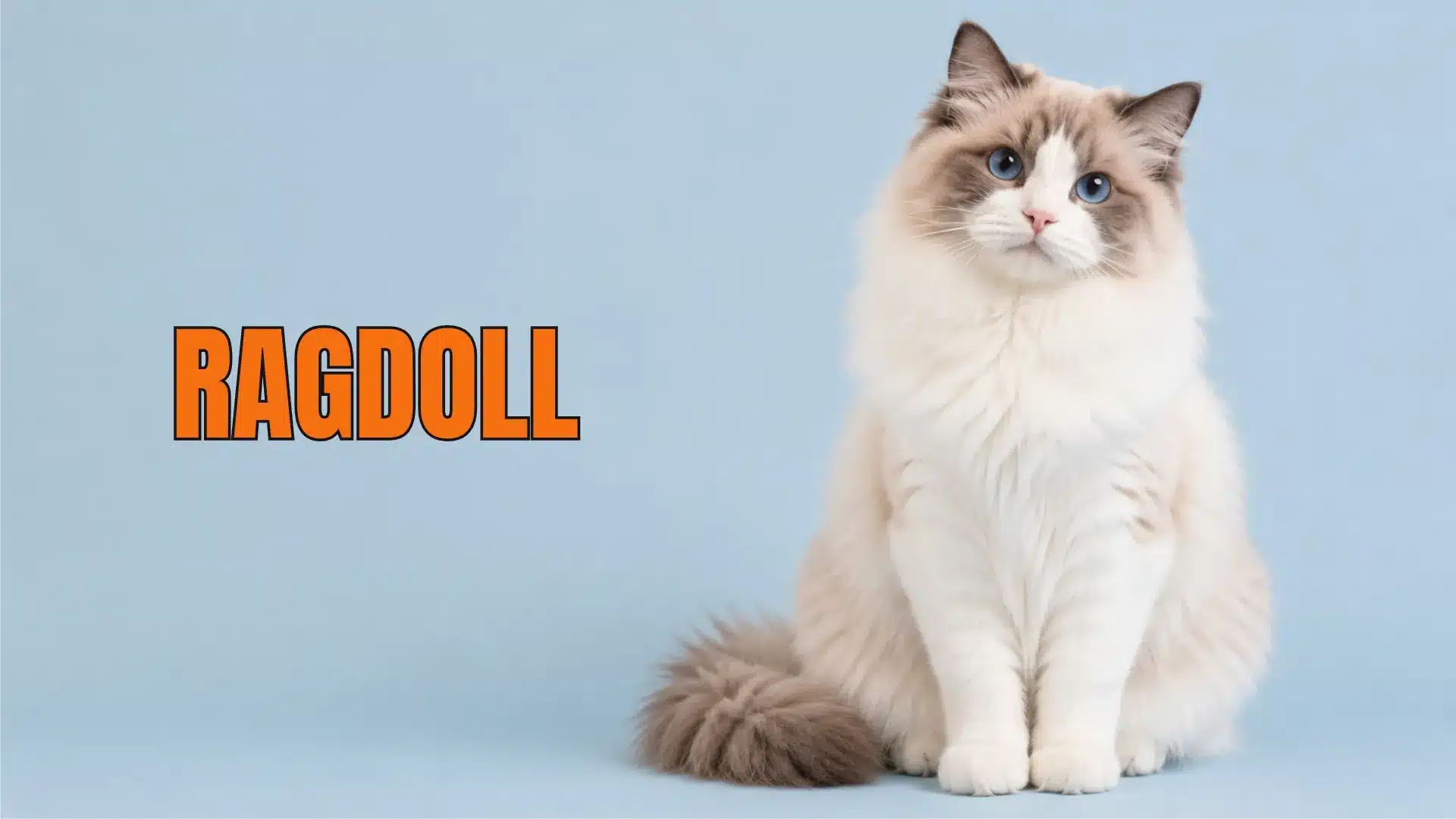
For example, Ragdolls frequently greet owners at the door, follow them from room to room, and prefer sleeping in bed with their people rather than alone. Their easygoing nature makes them an excellent match for families and first-time owners.
Possible drawback: their trusting nature means they should stay strictly indoors, since they have little instinct for self-defense. For breed-specific care details, read our Ragdoll cat breed guide.
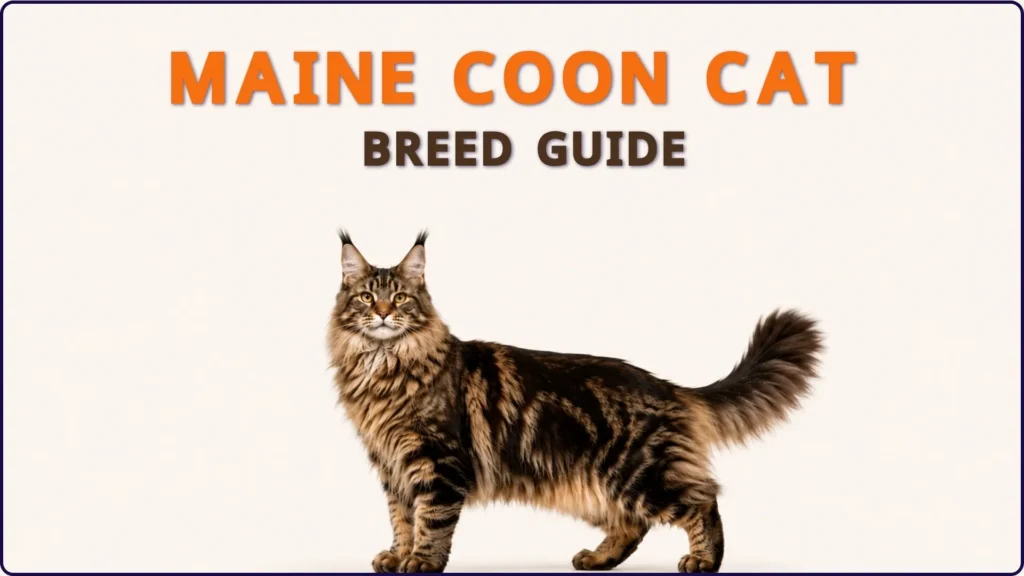
2. Maine Coon
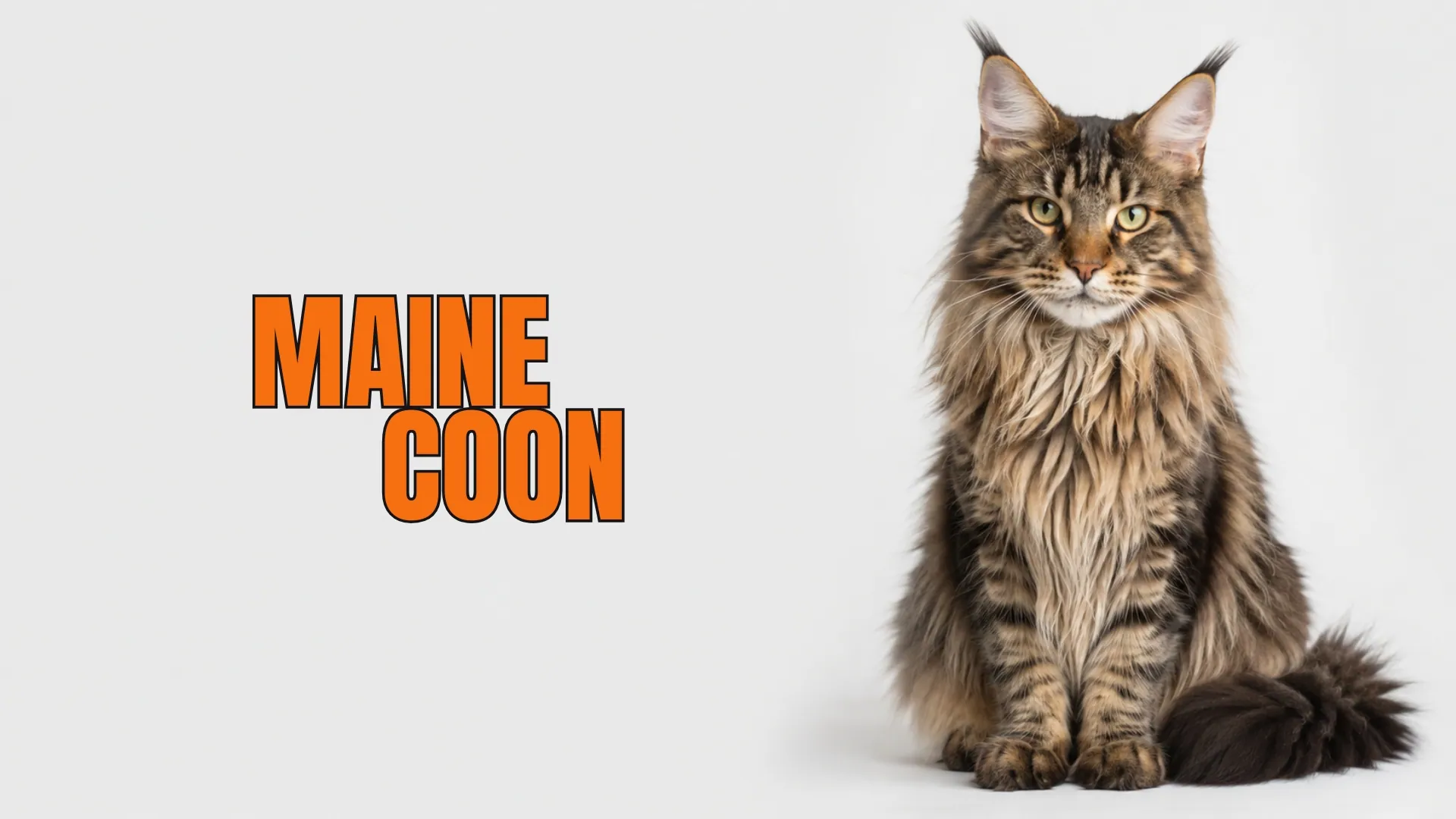
Maine Coons are one of the largest domesticated cat breeds, often called “gentle giants” for their oversized bodies and equally oversized personalities
In addition to being affectionate, Maine Coons are famously sociable and often “talk” to their owners with a distinctive chirping trill. This maine coon cat breed guide covers their grooming needs in more depth, since their long, water-resistant coat needs weekly brushing to prevent mats.
3. Burmese
Burmese cats are compact, muscular cats known for being intensely people-oriented, almost to the point of acting like a second shadow
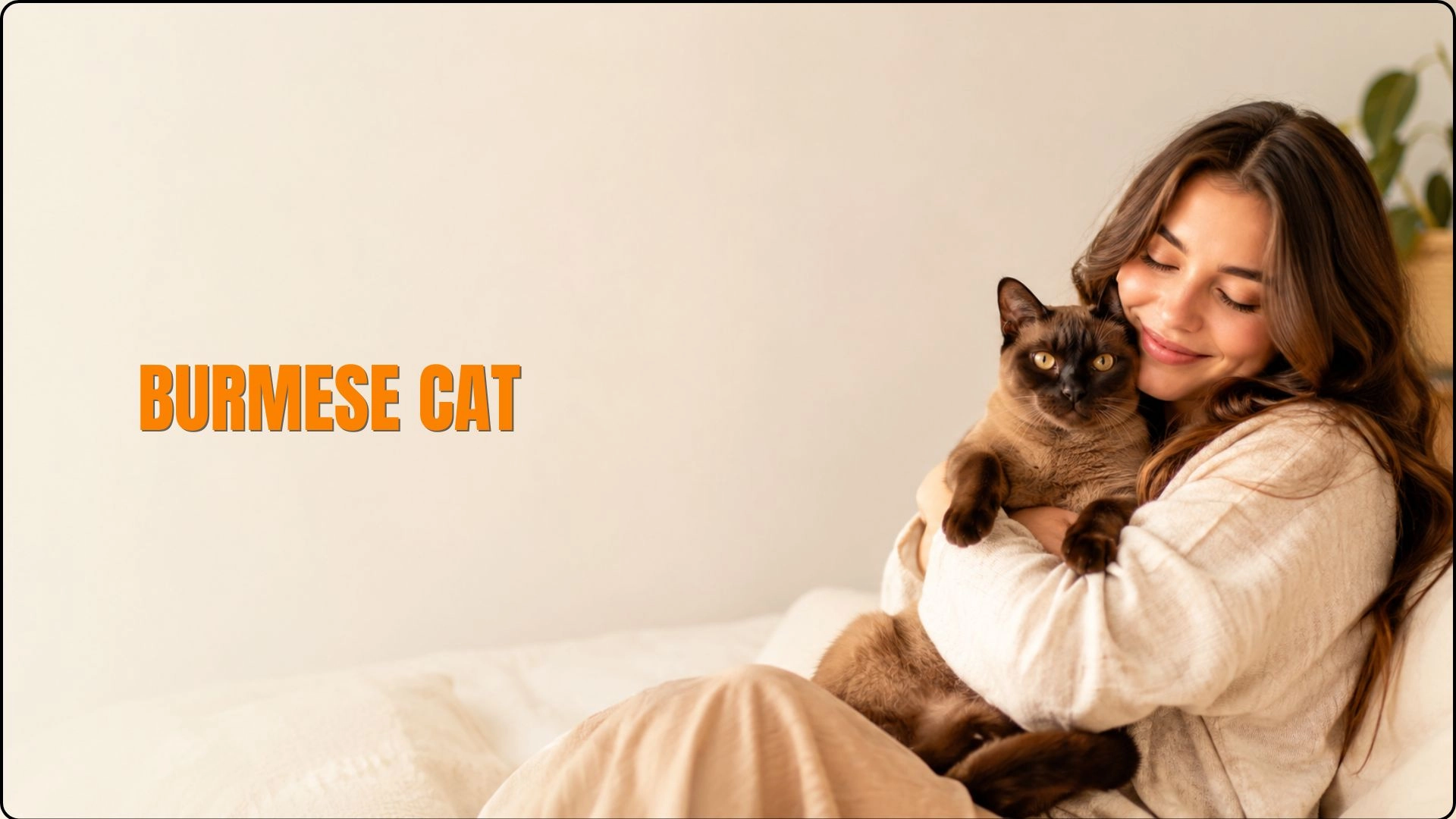
These cats actively seek out laps and dislike being left alone for long stretches, which makes them better suited to households where someone is home most of the day. By contrast to more independent breeds, Burmese cats often follow their owner’s daily routine step by step, from the bathroom to the kitchen.
4. Siamese
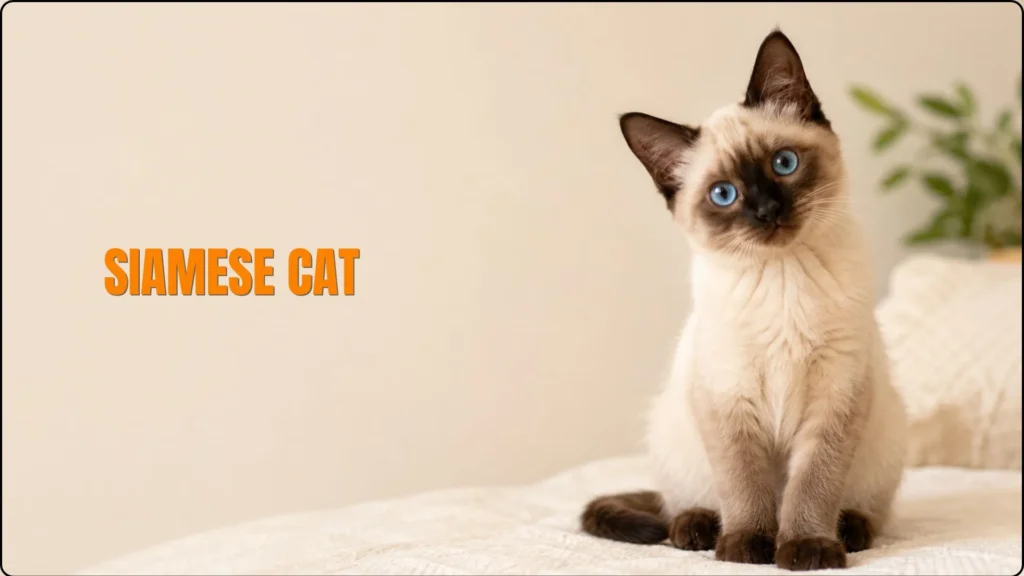
Siamese cats are vocal, intelligent, and famously devoted, often bonding with one primary person more intensely than other breeds do
For example, a Siamese will often narrate its day with a wide range of vocalizations, essentially “talking back” when you speak to it. That being said, this breed’s high energy and strong need for interaction means it isn’t the best fit for owners who are away from home for long hours.
5. Persian
Persians are calm, gentle cats with long, luxurious coats and a quiet, undemanding style of affection.
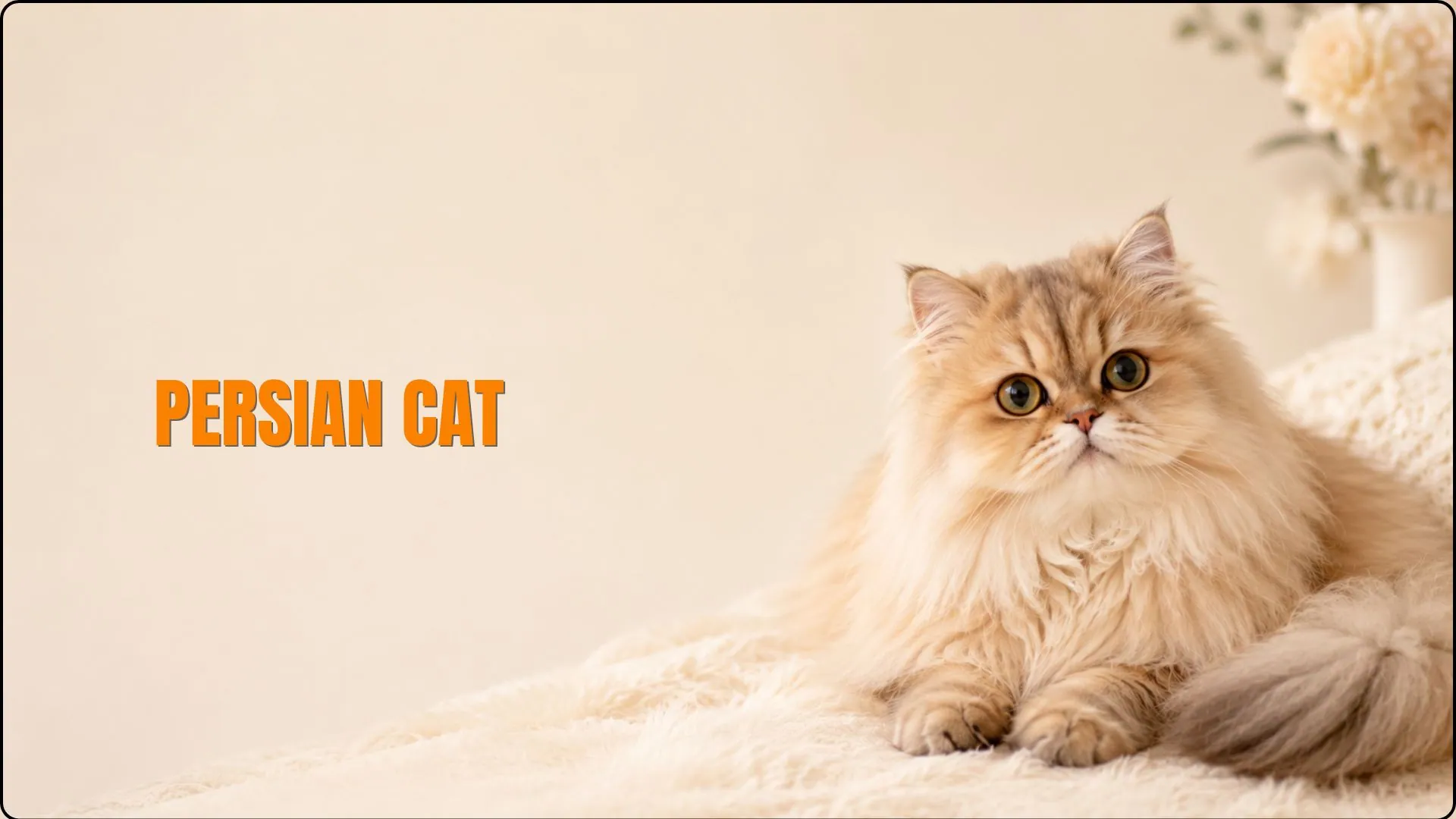
Plus, their relaxed temperament makes them well suited to quieter households, including seniors looking for a calm companion. Daily brushing is non-negotiable with this breed, since their dense undercoat mats easily without consistent maintenance.
6. Scottish Fold
Scottish Folds are instantly recognizable for their folded ears, but their sweet, easygoing temperament is just as notable as their looks.
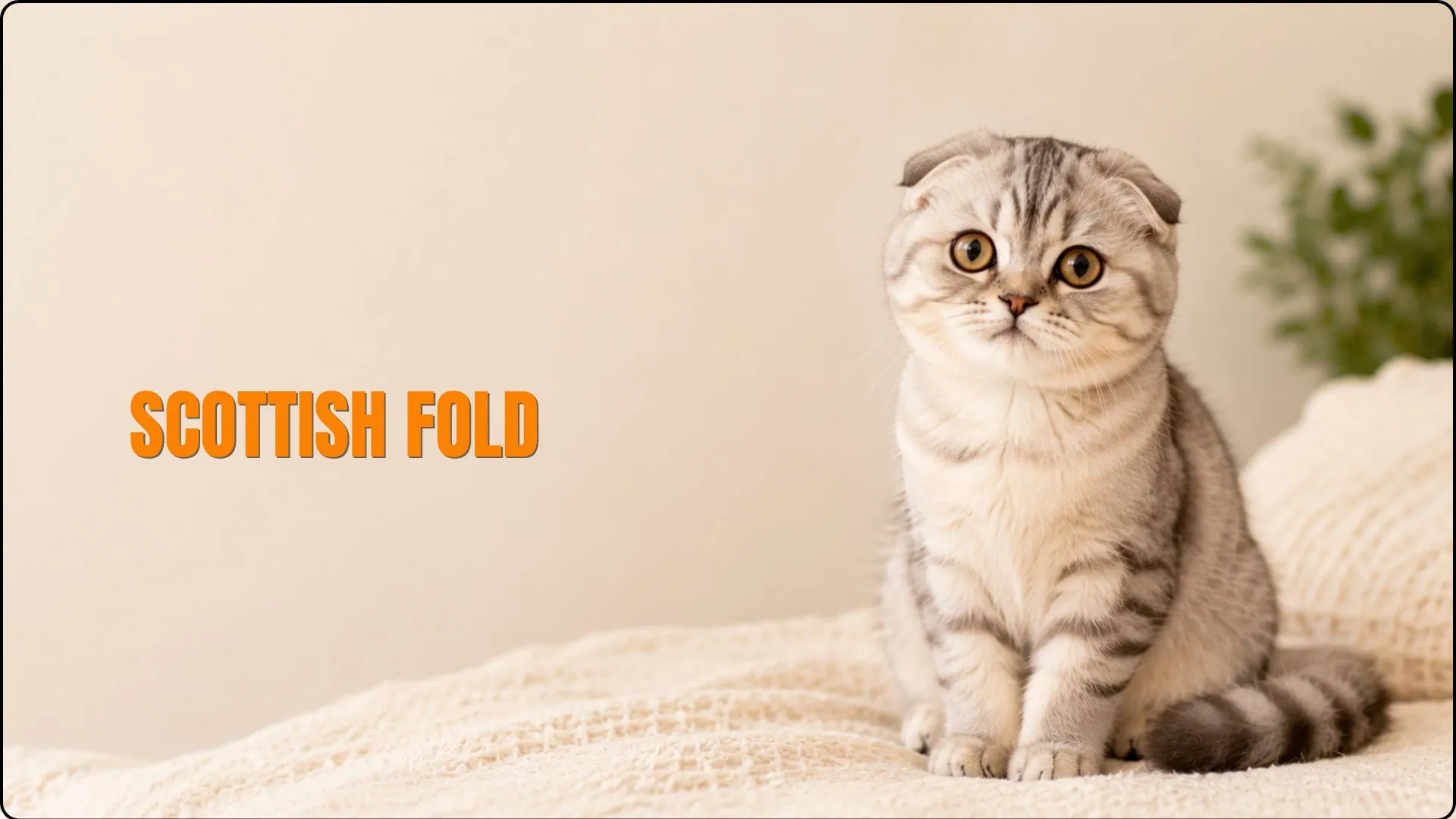
As such, Scottish Folds tend to bond with the whole family rather than fixating on one person, making them a flexible choice for multi-member households. Potential owners should research the breed’s known cartilage health concerns and buy only from reputable, health-tested breeders.
7. Sphynx
Sphynx cats are hairless, highly social cats that crave physical warmth and closeness, often quite literally climbing under blankets with their owners.
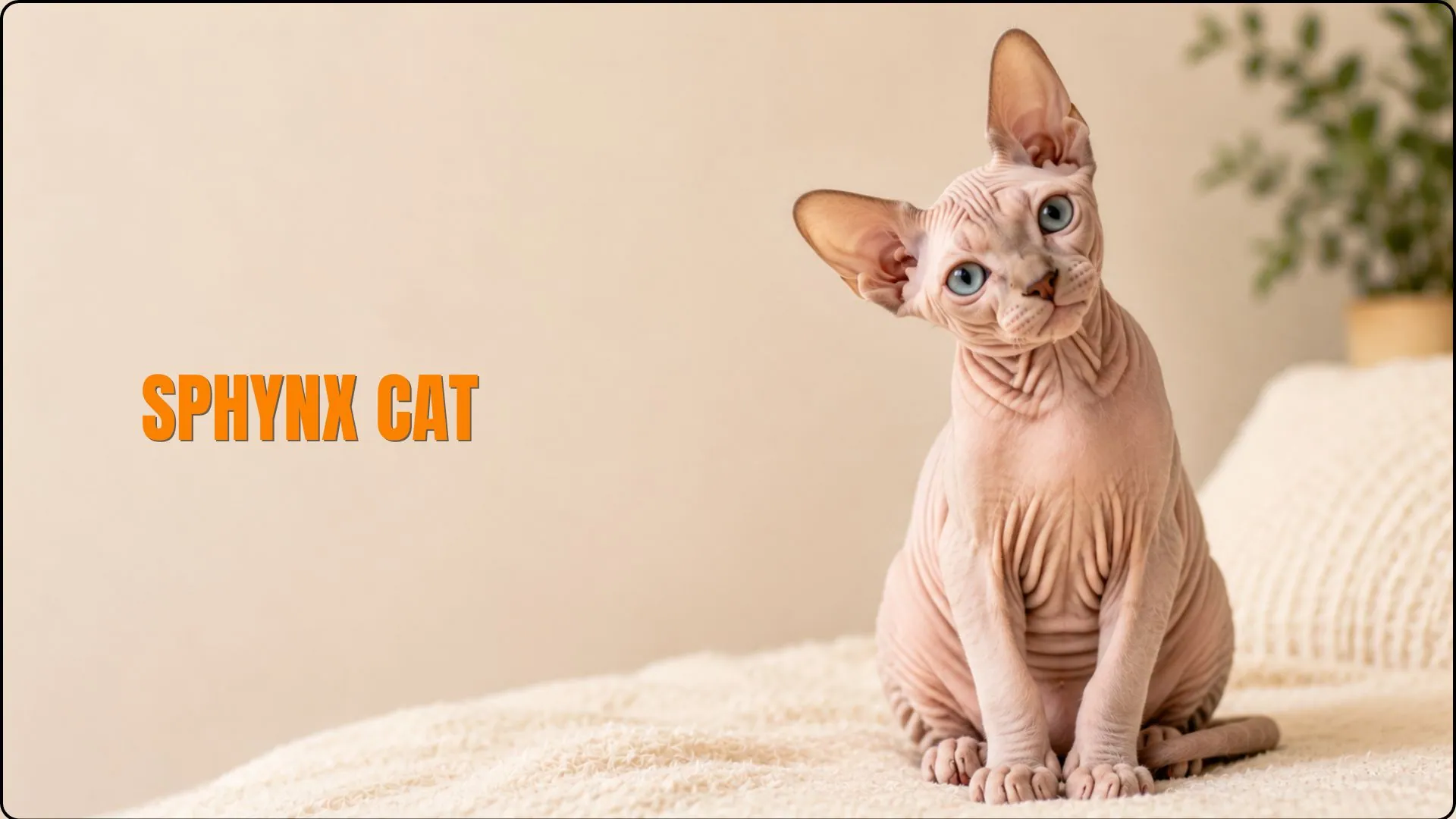
For example, Sphynx cats commonly sleep pressed against their owner’s body for warmth, since they lack the insulating coat other breeds have. This hypoallergenic cat breeds article explains why, despite their hairlessness, Sphynx cats aren’t truly hypoallergenic, since allergens come from saliva and skin oils, not fur.
8. Birman
Birmans are gentle, quiet cats with striking blue eyes and a calm, devoted personality that suits relaxed households.
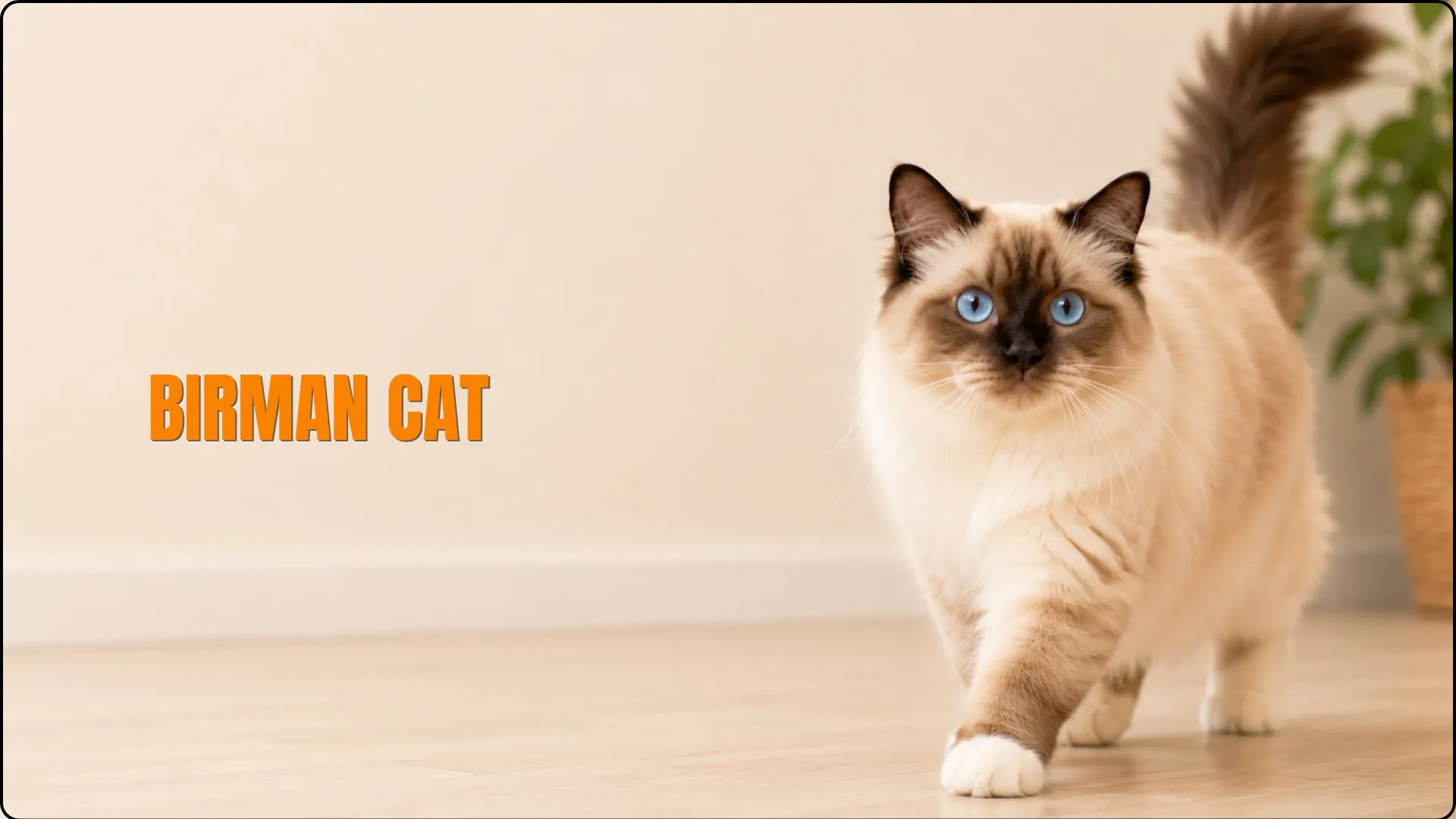
Moreover, Birmans tend to follow their owners quietly rather than demanding attention loudly, which makes them a good match for apartment living. They also tend to get along well with other pets, including dogs that are cat-friendly.
9. Tonkinese
Tonkinese cats, a cross between Burmese and Siamese lines, combine high sociability with a playful, energetic streak.
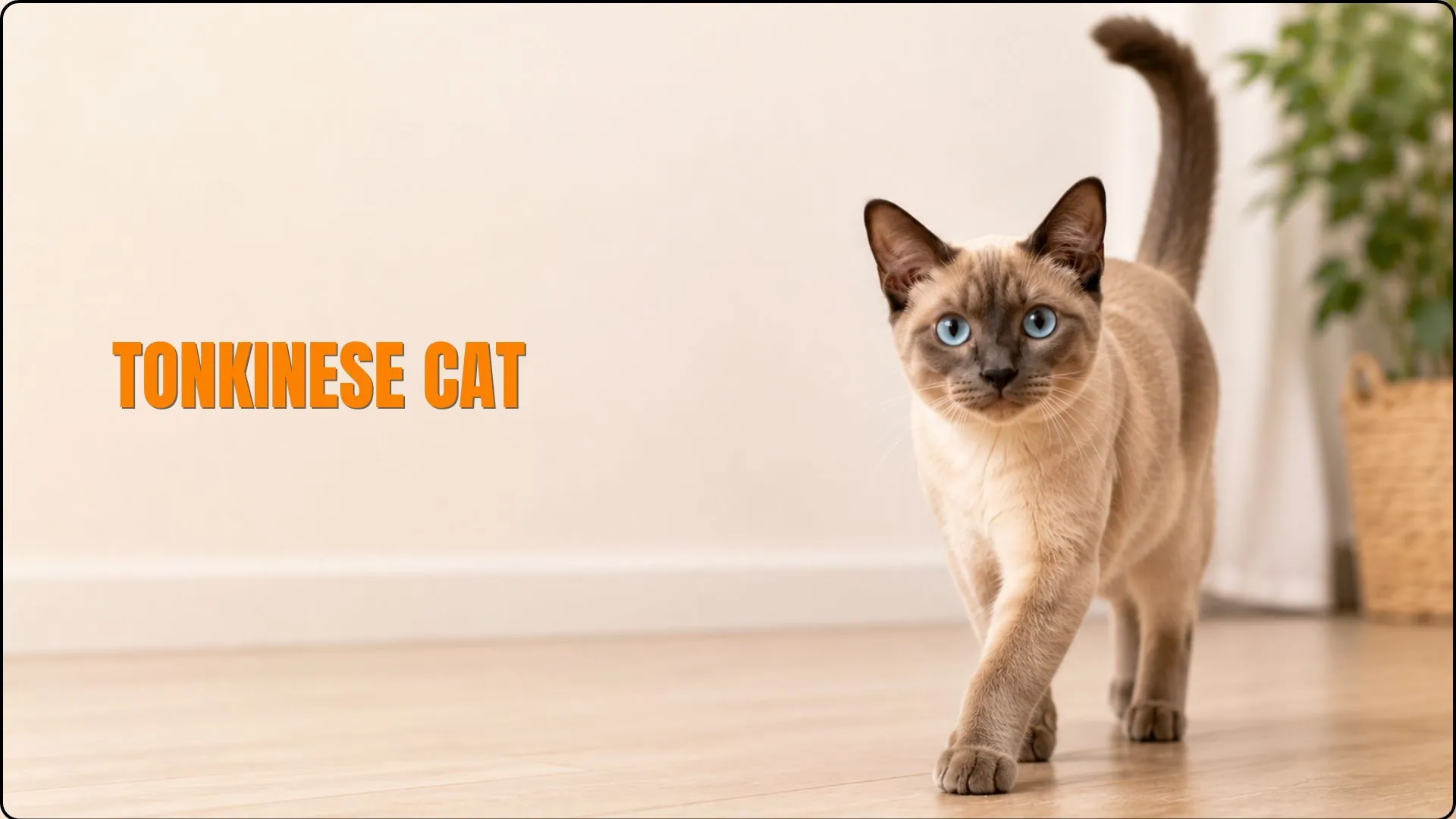
As a result, Tonkinese cats thrive in households that can offer plenty of interactive play, puzzle toys, and daily engagement. They dislike being left alone for extended periods and do best with company, whether human or feline.
10. Devon Rex
Devon Rex cats are curious, mischievous, and deeply attached to their people, often described as having a dog-like devotion.
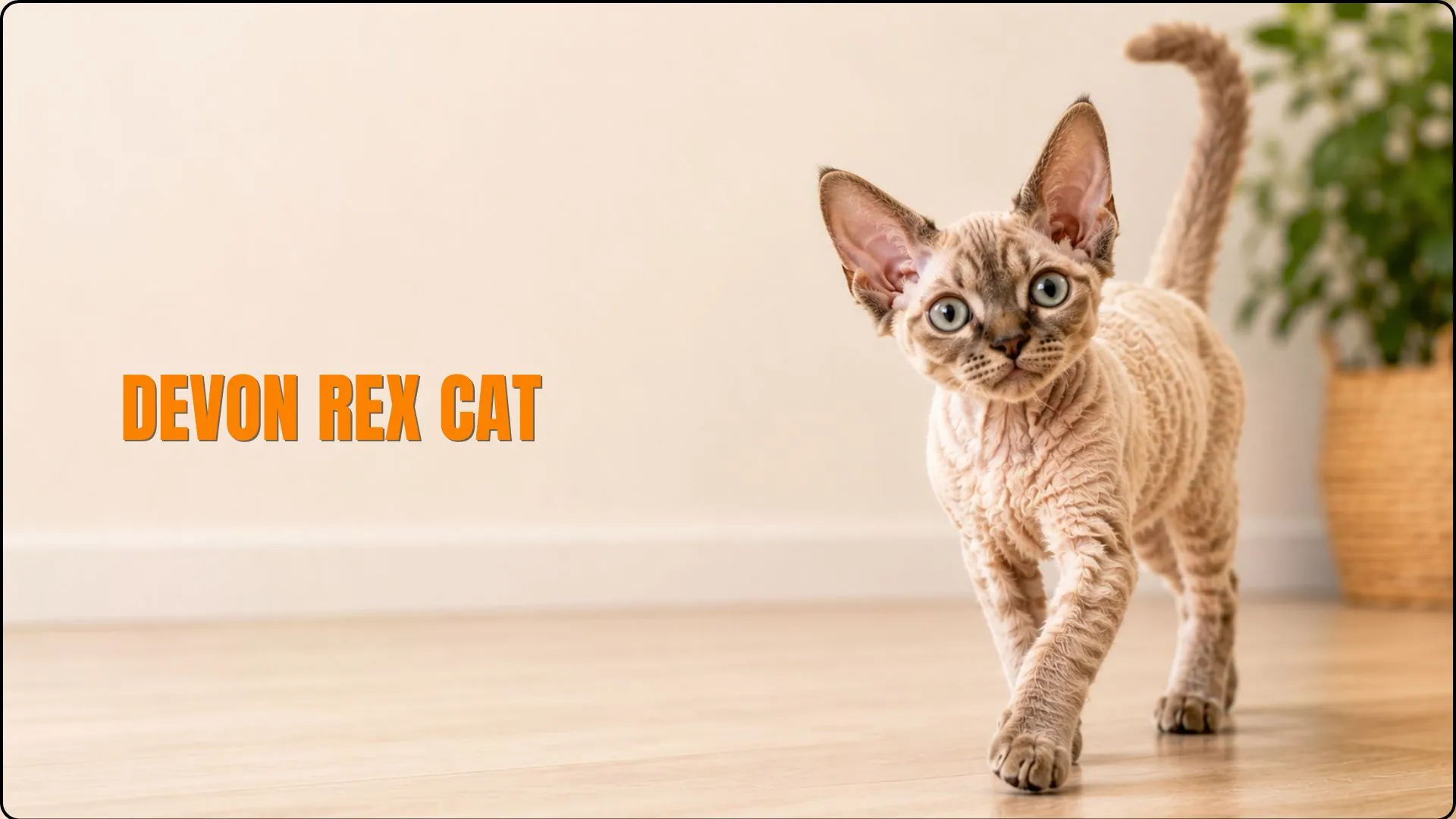
For example, Devon Rex cats commonly perch on shoulders, “help” with household tasks, and learn to fetch small toys. This breed’s short, wavy coat needs minimal brushing, though their large ears benefit from regular cleaning.
11. Cornish Rex
Cornish Rex cats share the Devon Rex’s playful energy but have an even softer, curlier coat and a slightly more athletic build.
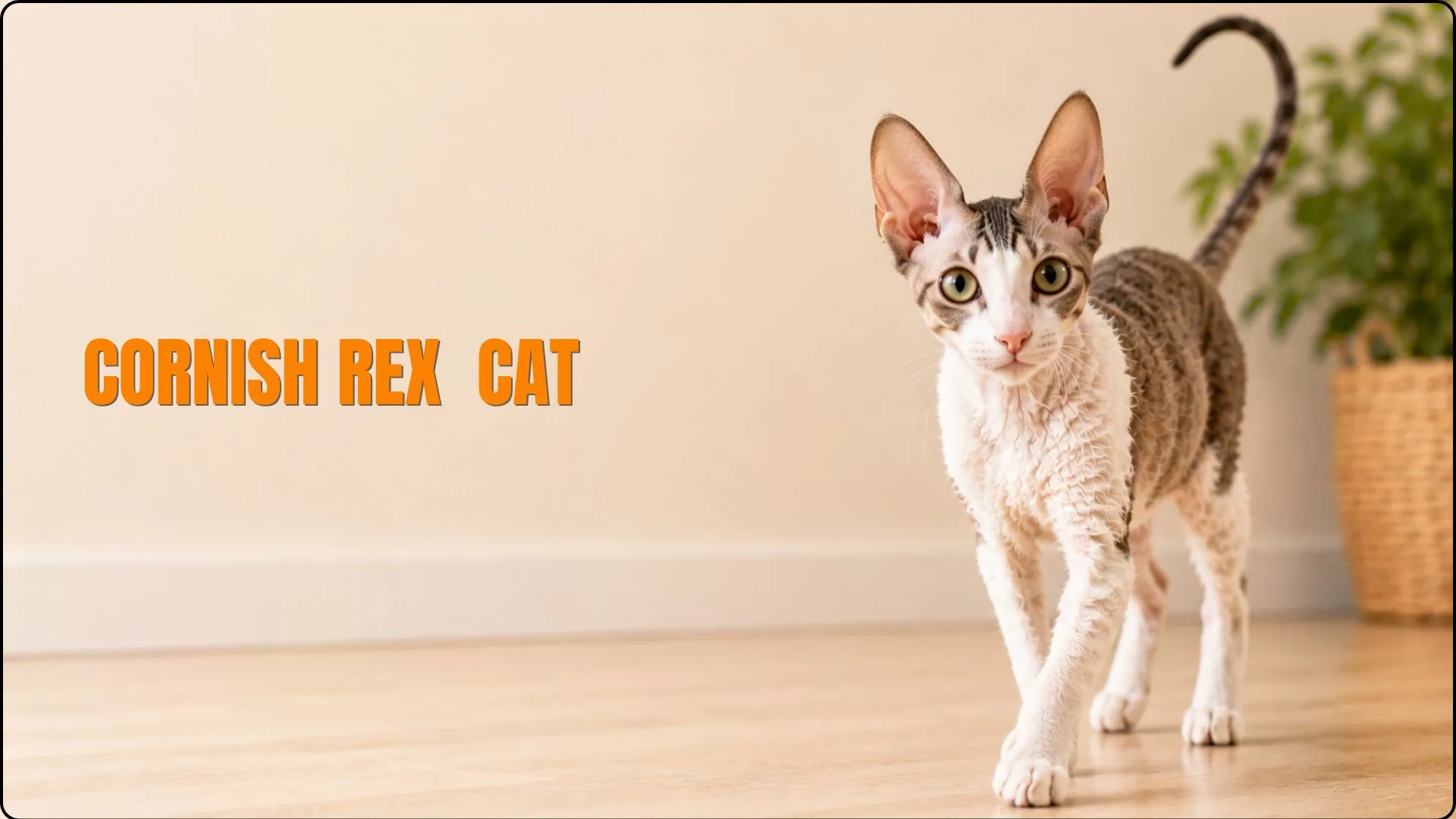
In addition, Cornish Rex cats often seek out warm spots, including laps, sunbeams, and freshly run laundry, since their thin coat offers less natural insulation. Their high energy makes interactive toys a near-daily requirement.
12. Abyssinian
Abyssinians are active, intelligent cats whose affection shows up through engagement and play rather than lap-sitting.
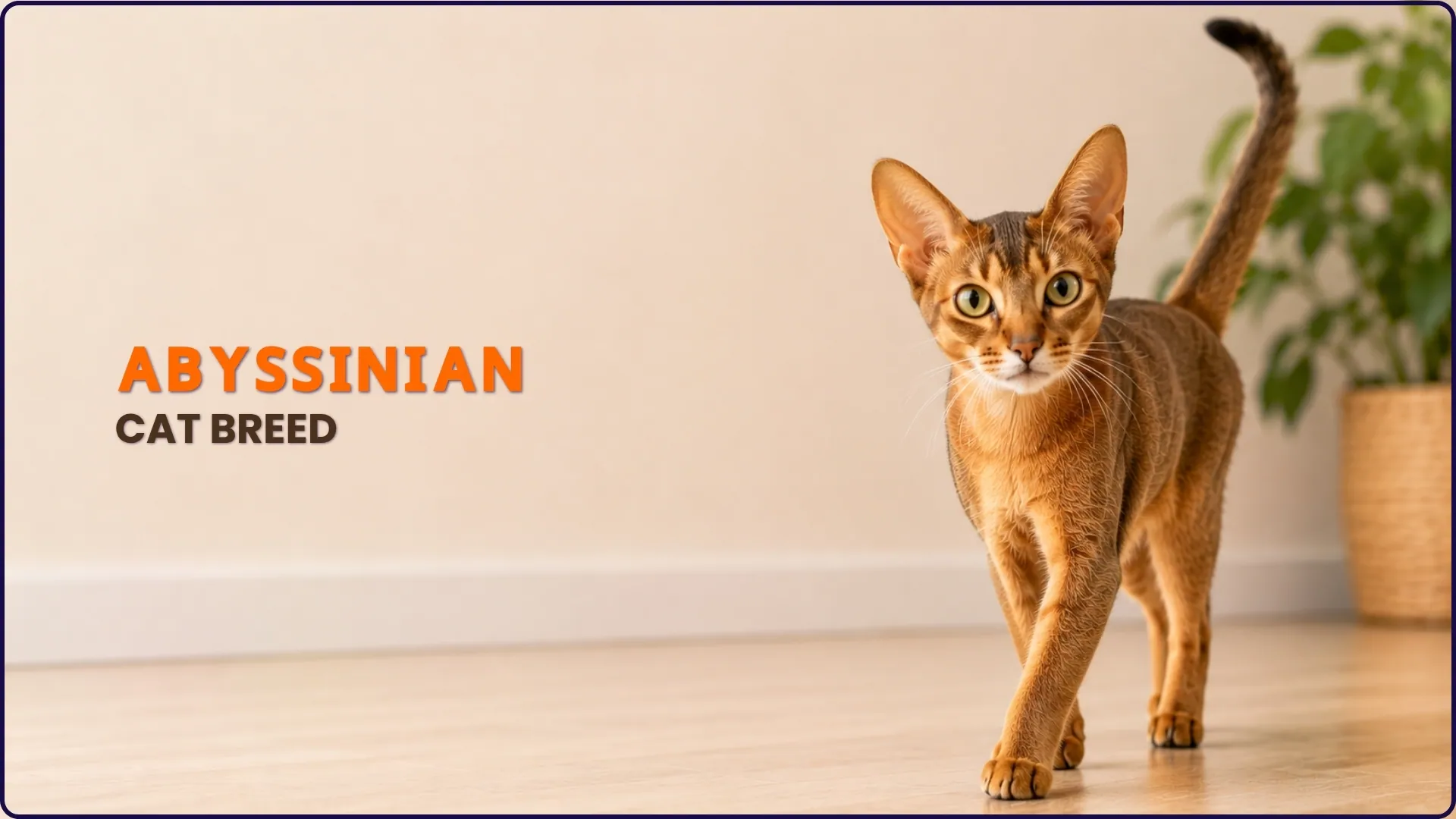
That being said, Abyssinians bond closely with their families and prefer being part of the action over being held still. They do best in homes with climbing space, like cat trees or shelves, to satisfy their athletic nature.
13. Oriental Shorthair
Oriental Shorthairs share the Siamese’s slender build and vocal, people-focused personality, often forming an especially strong attachment to one person.
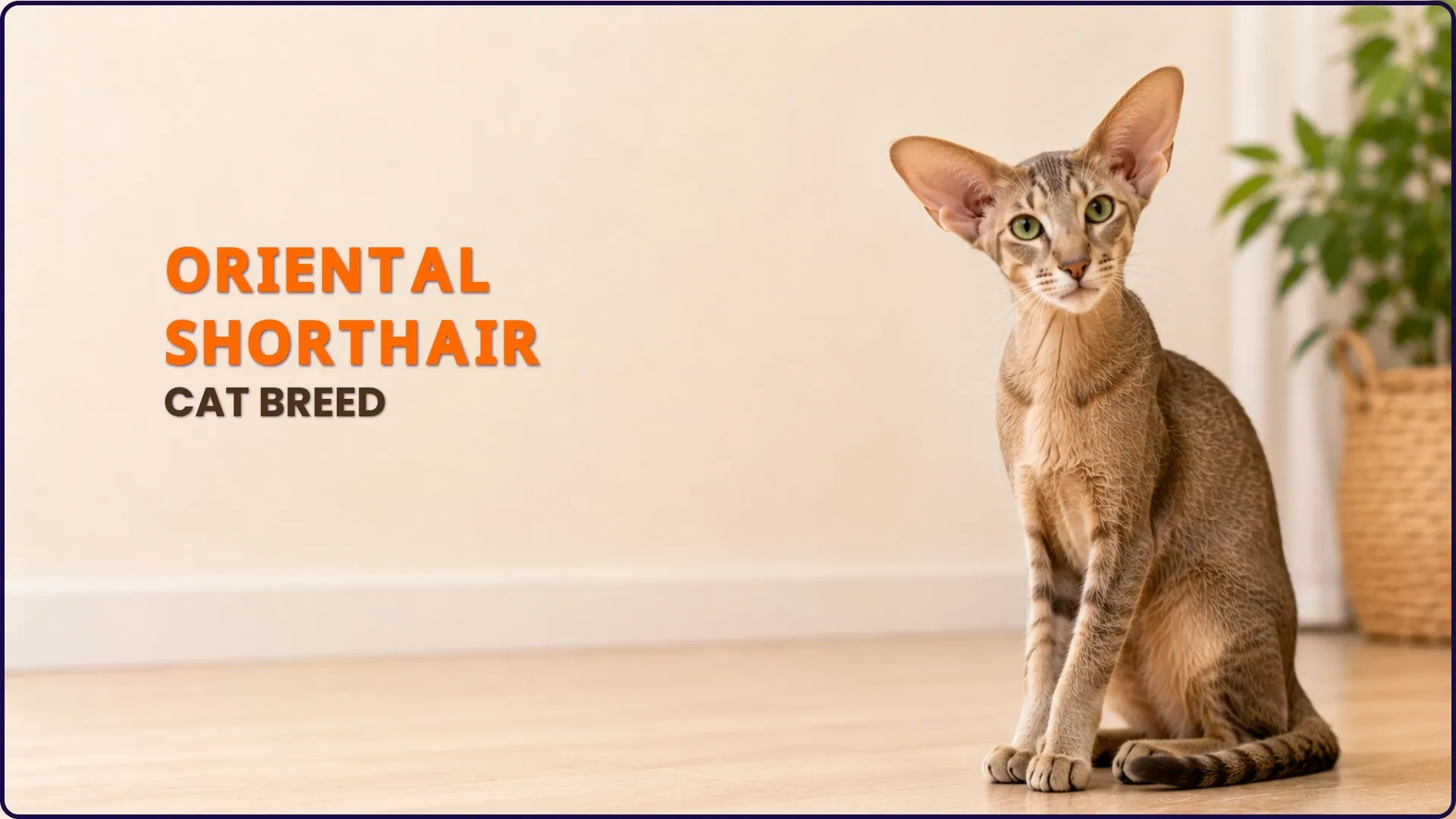
As such, this breed doesn’t tolerate being ignored well and may become vocal or anxious if left alone too often. They’re best suited to owners who can offer consistent daily attention.
14. Russian Blue
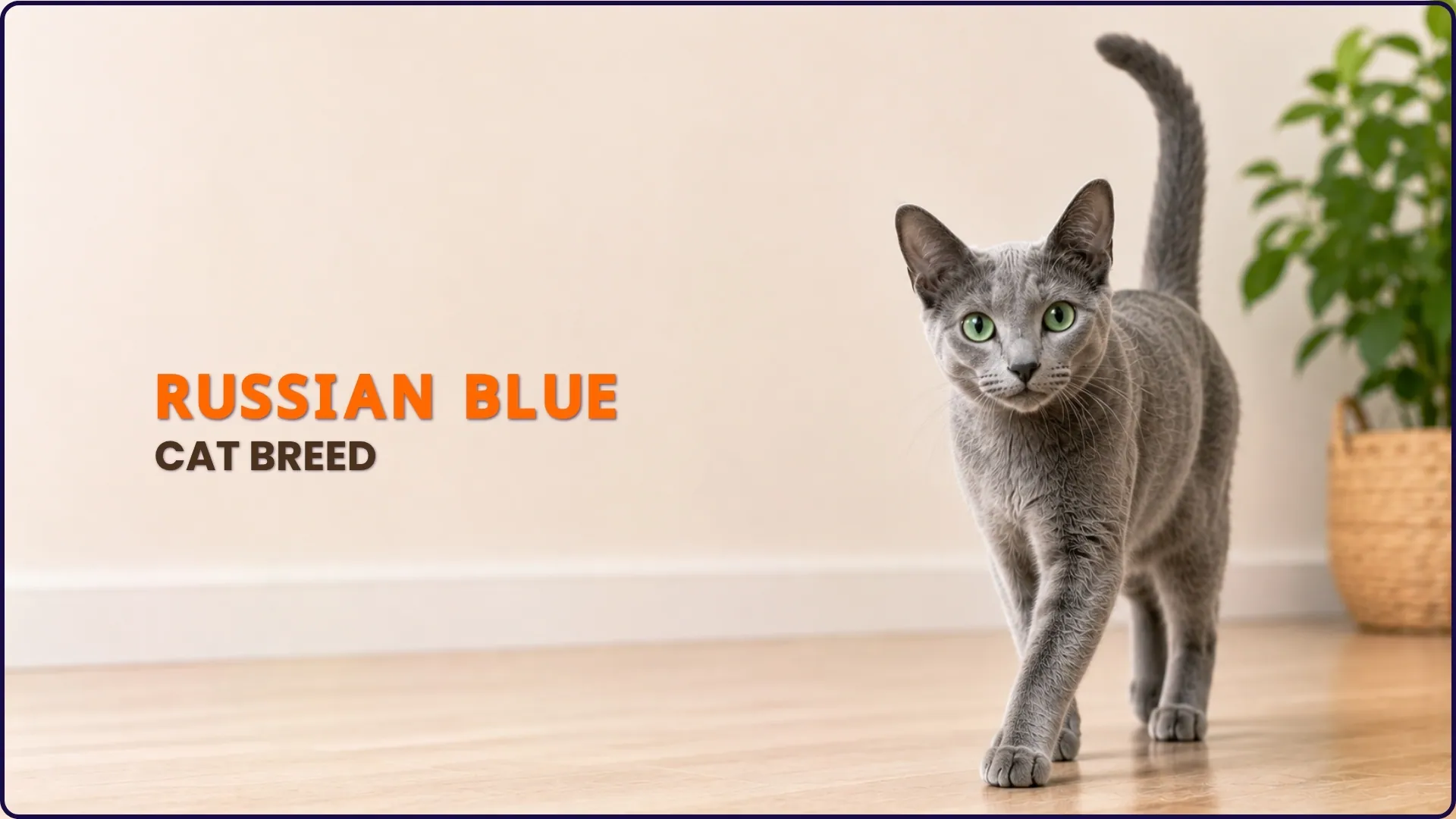
Russian Blues are quiet, gentle cats that tend to bond deeply with their family while remaining shy around strangers.
For example, a Russian Blue might hide during a party but curl up beside its owner the moment guests leave. This makes them a great fit for calmer households rather than ones with constant visitors.
15. Bombay
Bombay cats are sleek, black, panther-like cats with a notably affectionate, dog-like temperament.
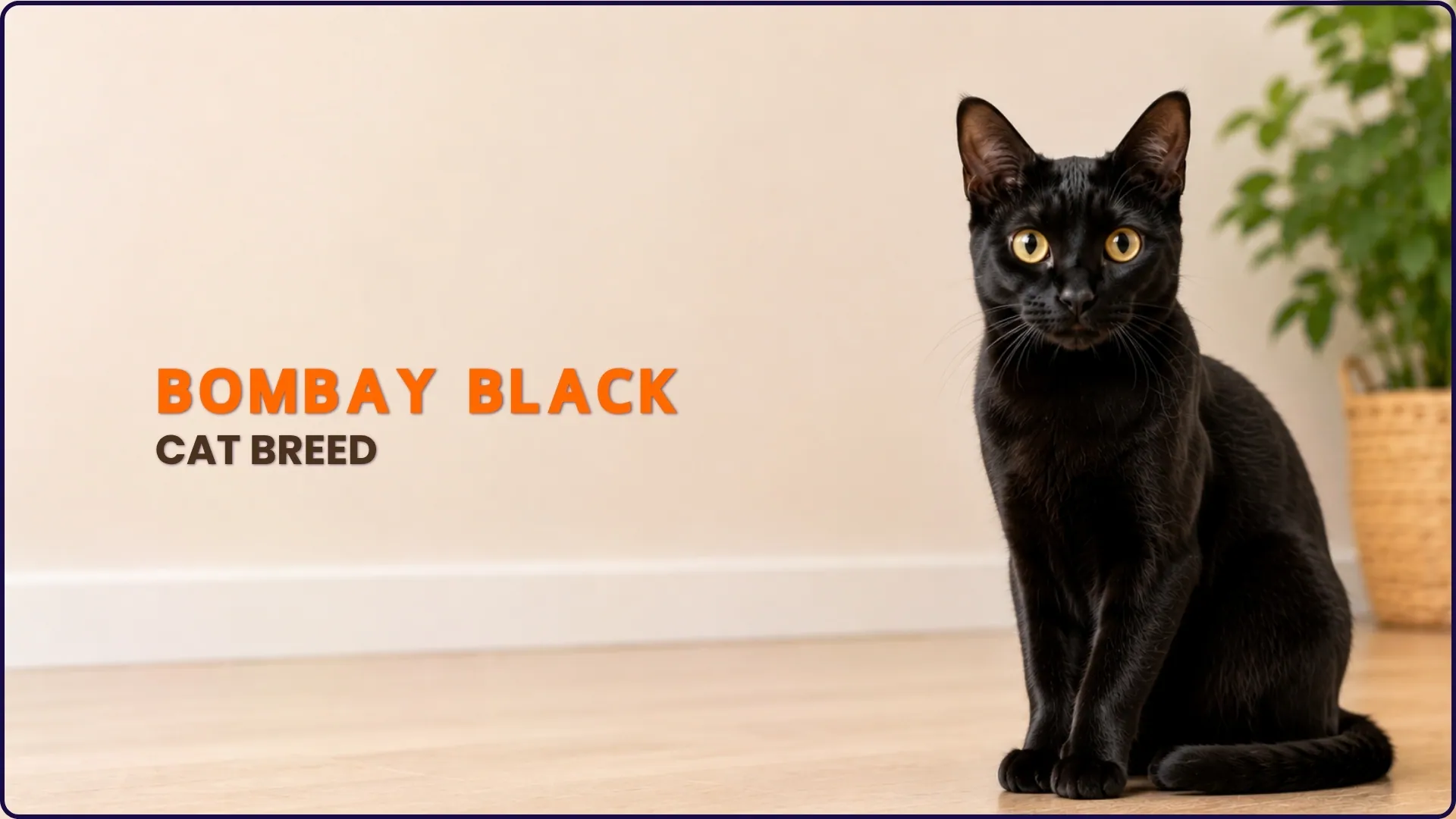
Plus, Bombays often enjoy being carried, walked on a harness, and included in daily routines far more than the average cat. They tend to bond closely with one or two people in the household.
16. Exotic Shorthair
Exotic Shorthairs are essentially short-haired Persians, offering the same sweet, calm temperament with far less grooming demand.
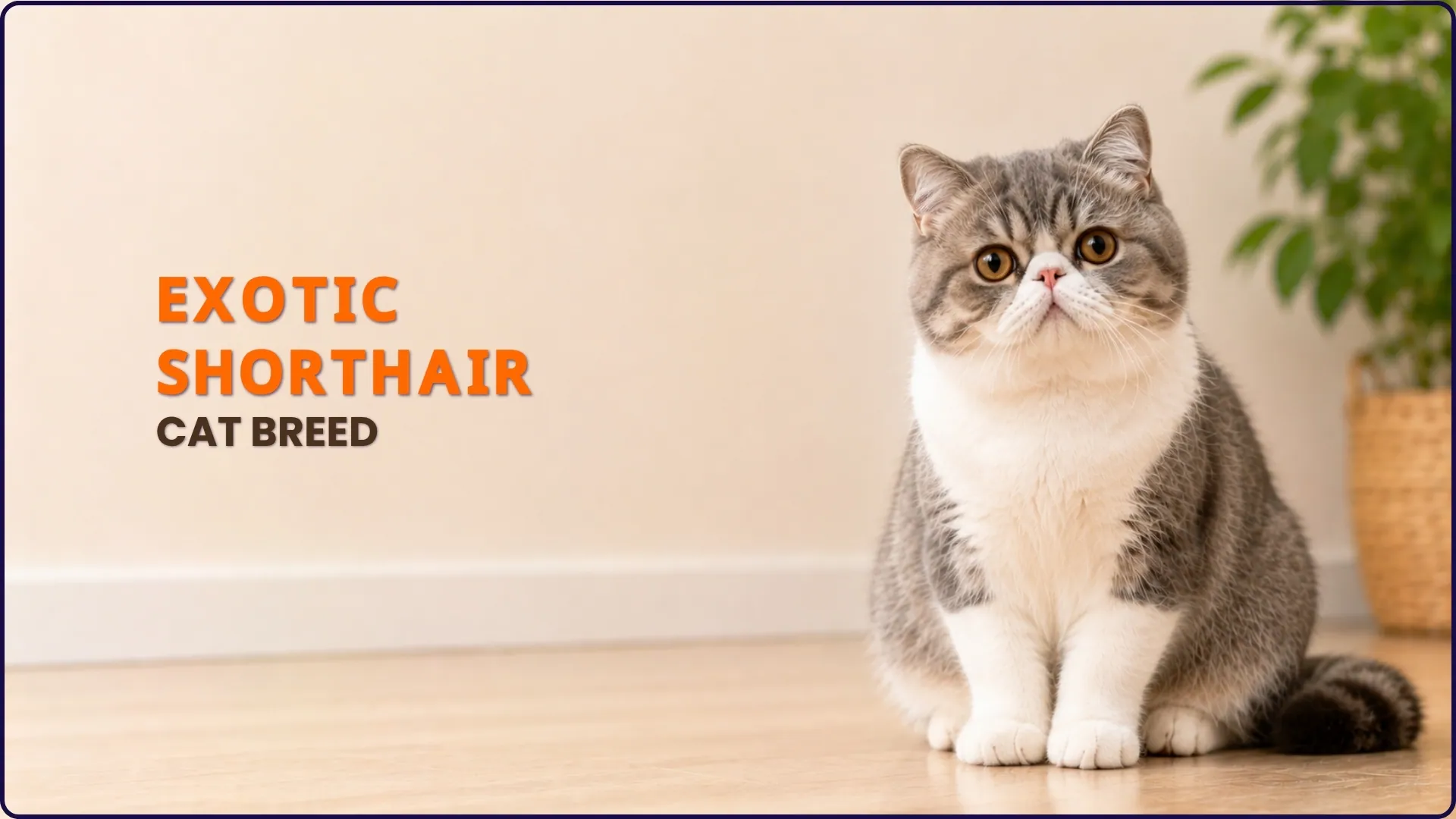
In addition, their low energy and undemanding affection make them a strong choice for seniors or first-time owners who want a calm lap cat without the heavy grooming Persians require.
17. Himalayan
Himalayans combine the long coat and gentle nature of the Persian with the striking blue eyes and coloring of the Siamese.
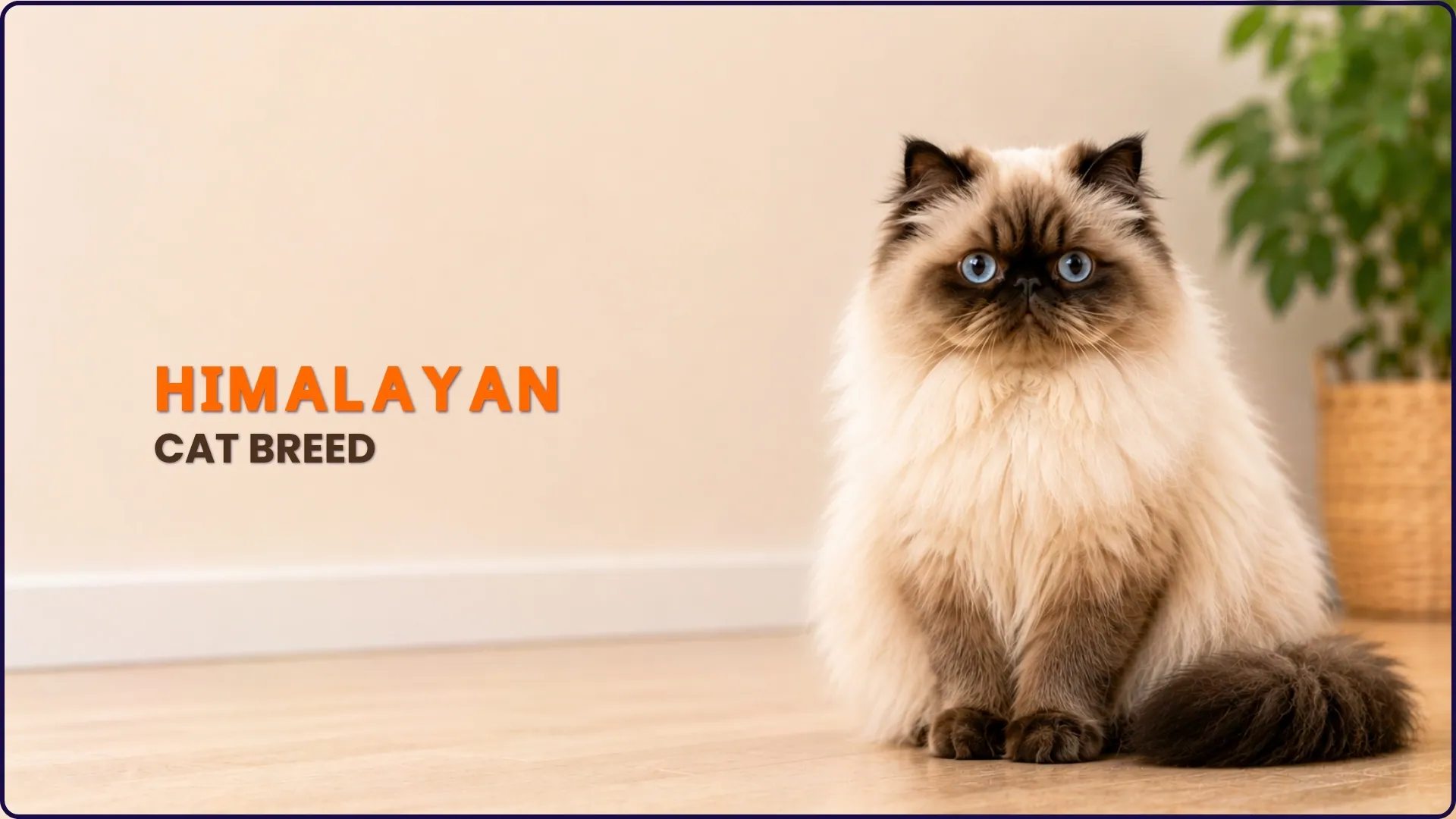
As a result, Himalayans need the same daily grooming commitment as Persians, but reward owners with a calm, devoted lap-companion personality.
18. Turkish Angora
Turkish Angoras are elegant, intelligent cats that bond strongly with their families and often pick a favorite person.
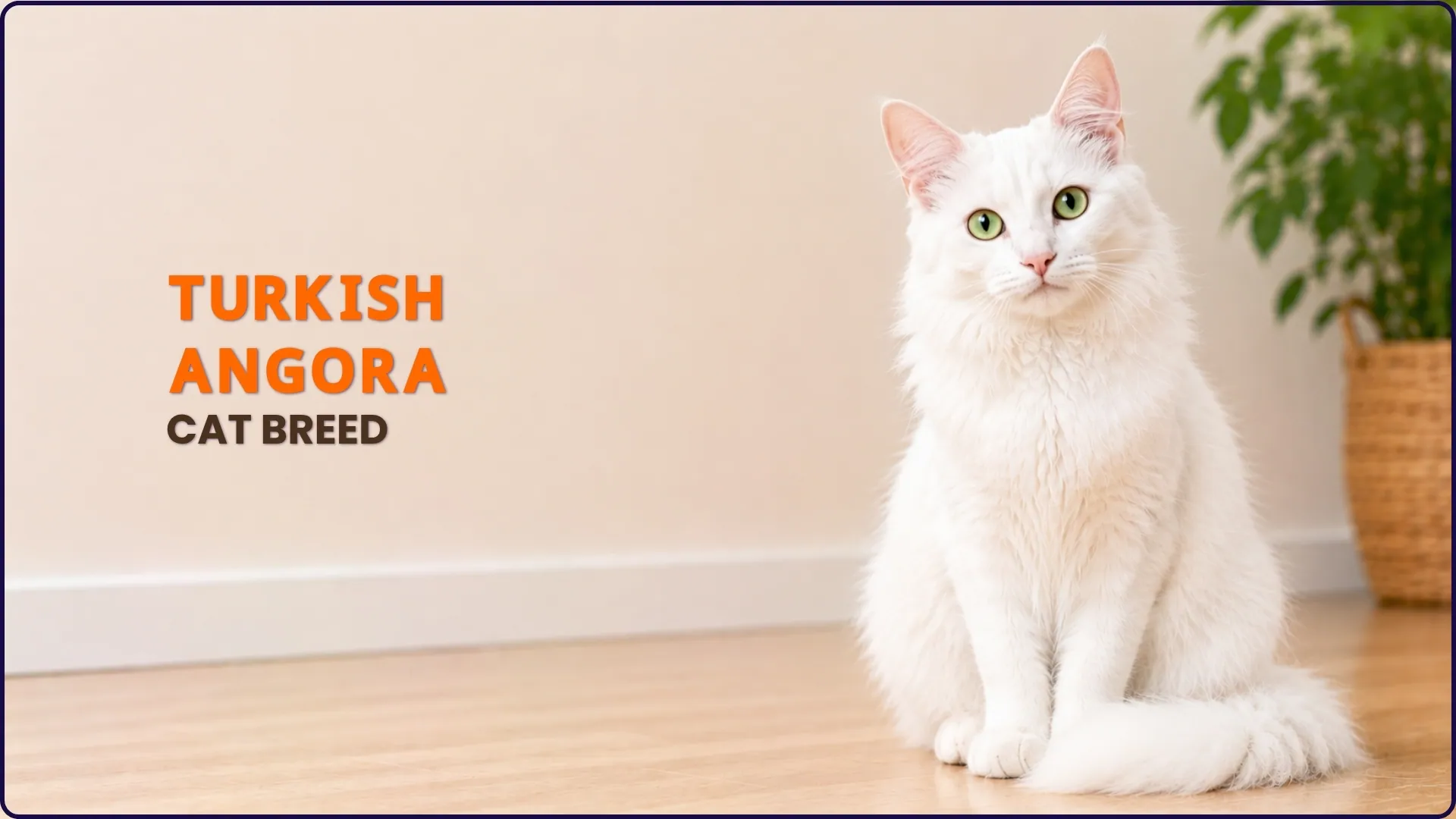
For example, this breed is known to learn its name, respond to simple commands, and supervise household activity closely. Their silky single-layer coat is easier to maintain than many other long-haired breeds.
19. Ragamuffin
Ragamuffins are close relatives of the Ragdoll, sharing the same relaxed, floppy affection but in a slightly stockier, fluffier package.
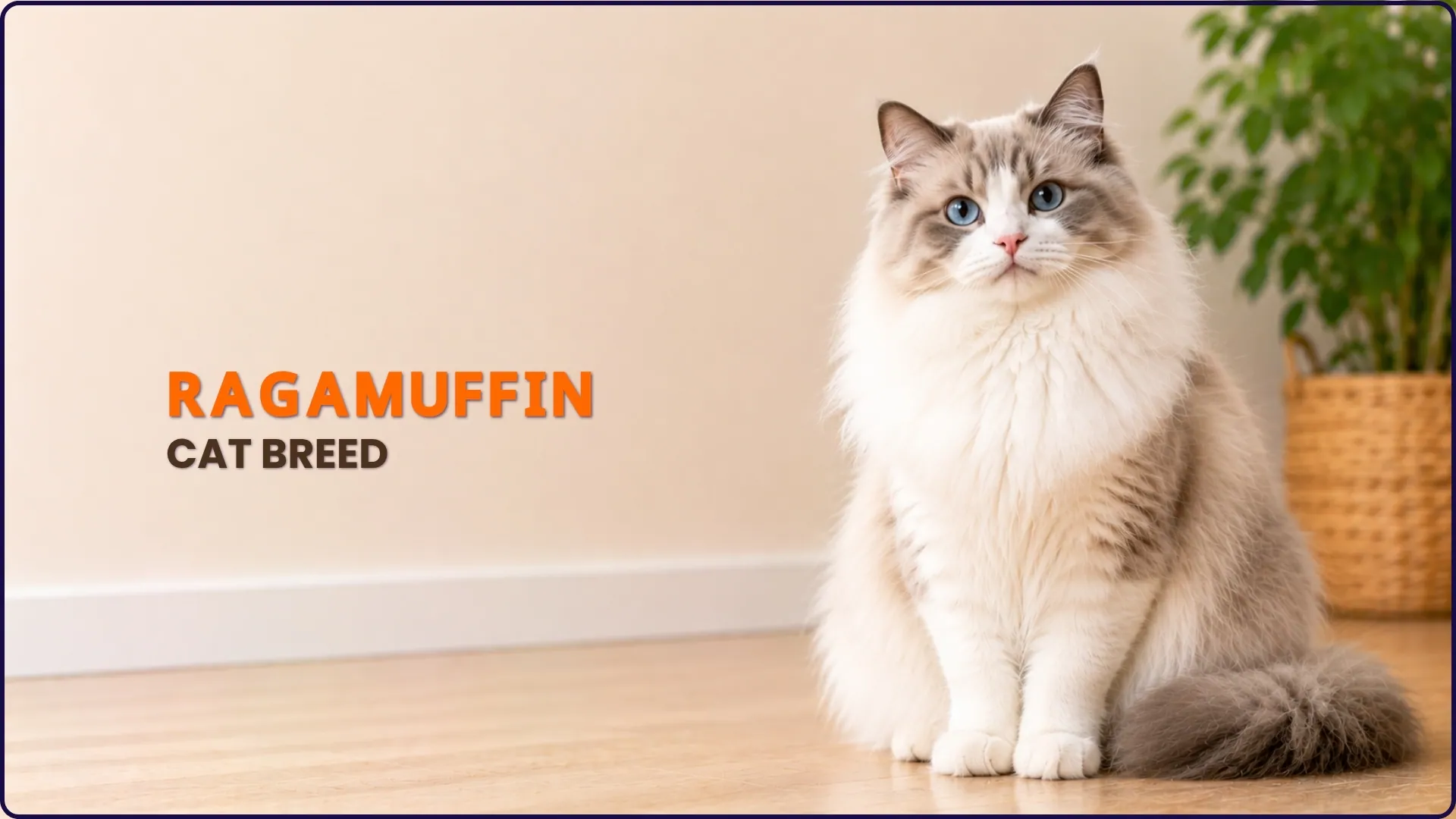
Moreover, Ragamuffins are widely considered one of the most patient, tolerant breeds for households with young children, since they rarely react aggressively to handling.
20. American Shorthair
American Shorthairs are easygoing, adaptable cats that bond well with their families while remaining fairly independent day to day.
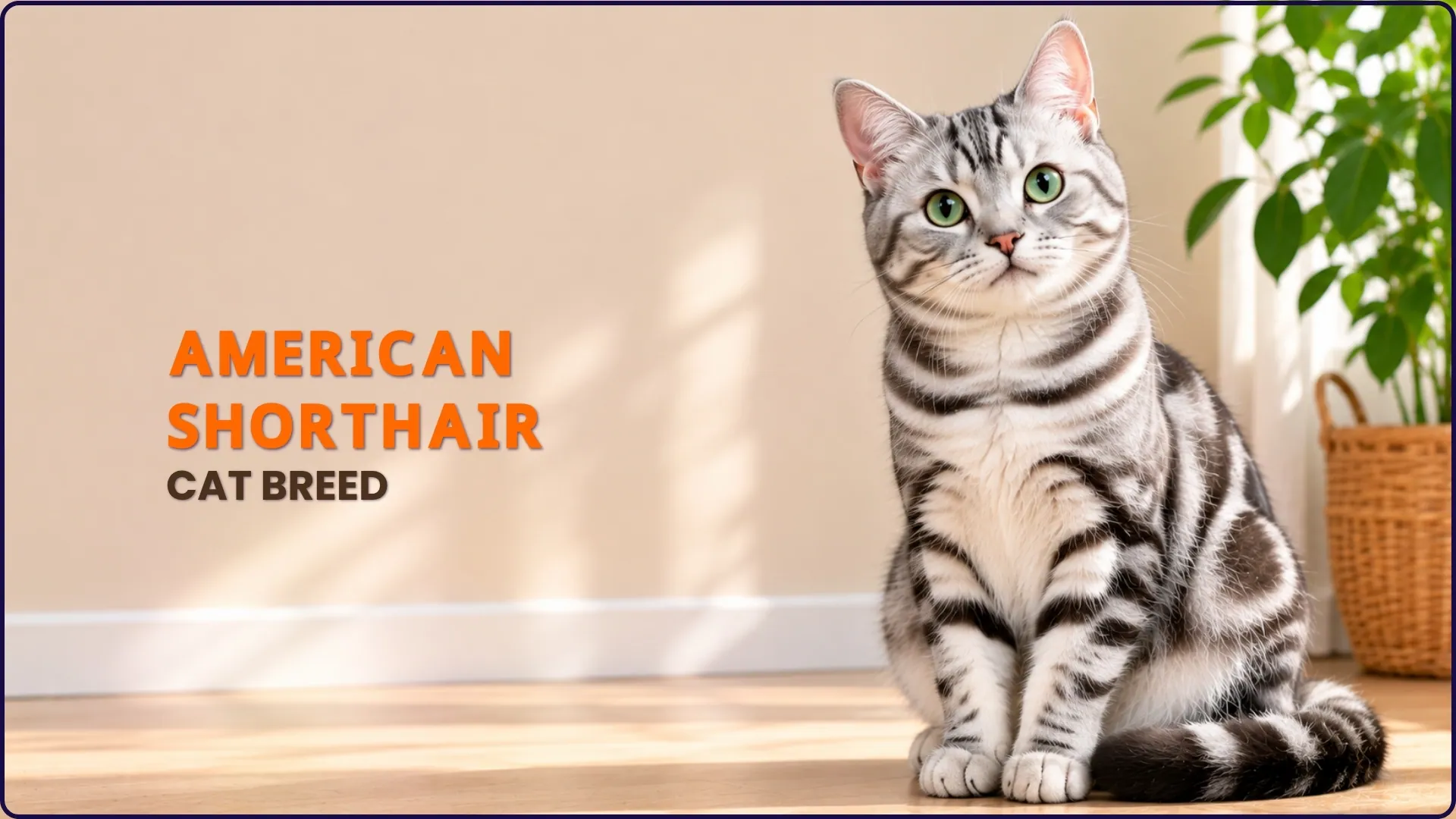
That said, this breed offers a good middle ground for households wanting a friendly cat without the intense, constant-companionship needs of breeds like the Burmese or Siamese.
Comparison Table: Top Affectionate Cat Breeds at a Glance
Which Affectionate Cat Breeds Are Best for Your Lifestyle?
Choosing a cat breed based on temperament and lifestyle compatibility increases the likelihood of a successful long-term relationship between owner and pet. Here’s how the breeds above match up to common living situations.
- Best Cats for families with children: Ragdoll, Ragamuffin, Maine Coon, and Birman, since all four tolerate handling and noise well.
- Best Cats for apartments: Ragdoll, Persian, Exotic Shorthair, and Russian Blue, since these breeds generally have lower exercise needs.
- Best Cats for seniors: Exotic Shorthair, Persian, and Ragdoll, thanks to their calm, low-maintenance companionship style.
- Best Cats for first-time owners: American Shorthair, Ragdoll, and Birman, since they’re forgiving of handling mistakes and routine changes.
- Best Cats for multi-pet homes: Maine Coon, Birman, and Tonkinese, all of which are known to get along well with other cats and dogs.
- Best Cats for emotional companionship: Burmese, Siamese, and Bombay, since these breeds bond unusually closely with one or two people.
Common Myths About Affectionate Cats
Tools and Practical Ways to Assess an Affectionate Cat
Before adopting, it helps to have a structured way to evaluate a cat’s personality rather than relying on first impressions alone.
Use this checklist when meeting a cat or kitten:
- Does the cat approach you voluntarily, or does it hide and avoid contact?
- How does the cat respond to gentle petting around the head and chin?
- Does the cat tolerate being picked up, even briefly?
- Is the cat relaxed around noise, other animals, and new people?
- Does the cat seek out attention, or does it prefer solitary space?
Shelters and breeders both offer useful insight here. Adopting from a shelter lets you observe a cat’s existing personality firsthand, while reputable breeders can describe a kitten’s parents’ temperaments, which often predicts future behavior. For a step-by-step checklist, see our cat adoption checklist.
Free tools can help too. Many shelters use standardized behavior assessments, such as the ASPCA’s feline temperament evaluations, to flag cats that are especially people-oriented before they’re even listed for adoption. Asking your local shelter whether they’ve run this kind of assessment is a free, simple way to identify naturally affectionate cats.
What’s Next? Preparing for Your Affectionate Cat
Once you’ve narrowed down your shortlist, it’s time to move from research to action. First, visit a few shelters or reputable breeders in person, since meeting a cat before adoption provides far more insight than photos or written breed descriptions ever can.
Second, prepare your home before bringing your new cat through the door. This means setting up a quiet introduction space, choosing the right litter box setup, and gathering basic supplies like scratching posts and interactive toys. Our cat care guide walks through everything a new owner needs during the first month.
Third, think about long-term care. Affectionate, people-oriented breeds often do best with consistent daily play and attention, so plan your routine around your new cat’s social needs, not just feeding and litter duties. If you’re also weighing indoor-only living, this best indoor cat breeds resource breaks down which affectionate breeds adapt best to indoor life.
Finally, read up on breed-specific grooming and health needs. Our cat grooming guide and how to choose the right cat breed resource can help you finalize your decision with confidence.
Conclusion
Every affectionate cat breed brings its own unique mix of personality, energy, and care needs to the table. From the famously floppy Ragdoll to the chatty, devoted Siamese, individual personality matters just as much as breed tendencies when it comes to predicting how cuddly your future cat will be. Regular play, positive reinforcement, and a stable home environment help strengthen affectionate behaviors in cats regardless of breed.
Ultimately, matching temperament to your lifestyle, not just chasing the “most affectionate” label – leads to happier owners and healthier cats.
Whether you’re drawn to the gentle giant energy of a Maine Coon or the close, shadow-like companionship of a Burmese, take time to meet a few cats before deciding, and commit to responsible, lifelong care once you do.
Frequently Asked Questions
1. Which cat breed is the most affectionate?
A. Ragdolls are widely considered the most affectionate cat breed overall, thanks to their relaxed, trusting nature and tendency to go limp when held.
2. What cat breed likes to cuddle the most?
A. Ragdolls, Burmese, and Ragamuffins all rank near the top for cuddling, since they actively seek physical closeness with their owners.
3. Are male cats more affectionate than females?
A. Not reliably, individual personality and early socialization influence affection far more than sex, though some owners report male cats as slightly more easygoing.
4. Which affectionate cats are best for families?
A. Ragdolls, Ragamuffins, Maine Coons, and Birmans are commonly recommended for families, since they tolerate handling and noise well.
5. What is the calmest affectionate cat breed?
A. Persians and Exotic Shorthairs combine high affection with low energy, making them strong choices for calmer households.
6. Which cat breed follows you everywhere?
A. Burmese and Siamese cats are especially known for shadowing their owners from room to room throughout the day.
7. Are affectionate cats good with dogs?
A. Many affectionate breeds, including Ragdolls, Maine Coons, and Birmans, generally get along well with dog-friendly dogs when introduced properly.
8. Do affectionate cats require more attention?
A. Often, yes. Highly social breeds like the Siamese and Oriental Shorthair can become vocal or anxious without regular daily interaction.
9. Which affectionate cat sheds the least?
A. Short-haired affectionate breeds like the Burmese, Bombay, and Tonkinese typically shed less than long-haired breeds like the Persian or Maine Coon.
10. Can adopted mixed-breed cats be just as affectionate as purebred cats?
A. Yes. Mixed-breed cats can be just as affectionate as purebred cats, since early socialization and individual temperament matter more than pedigree.

Hi, I’m Jak, the founder of BowBowMeow.com and a passionate pet parent who shares life with both a dog and a cat. I created this website to help fellow pet owners find reliable, easy-to-understand information about pet care, nutrition, behavior, grooming, training, and breed-specific topics.
Drawing from both extensive research and hands-on experience as a pet owner, I aim to provide practical, trustworthy content that helps dogs and cats live happier, healthier lives.
Disclaimer: I am not a veterinarian or certified animal professional. The information shared on BowBowMeow.com is for educational purposes only and should not replace professional veterinary advice, diagnosis, or treatment.