Most people choose a cat with their eyes.
They see a beautiful fluffy coat, striking blue eyes, folded ears, or an unusual color pattern and instantly fall in love. A few months later, many discover that appearance was actually one of the least important factors.
Living with a cat is about personality, energy level, grooming requirements, social needs, health considerations, and compatibility with your household. Those factors influence daily life far more than coat color or eye shape.
A Bengal may spend hours climbing furniture and searching for new challenges. A Persian may happily spend the afternoon napping beside a sunny window. A Siamese often wants to participate in everything happening around the home, while a British Shorthair may enjoy companionship without constantly demanding attention.
These differences matter because most cats remain part of the family for 12 to 20 years. Choosing a breed that matches your lifestyle improves the experience for both you and your cat.
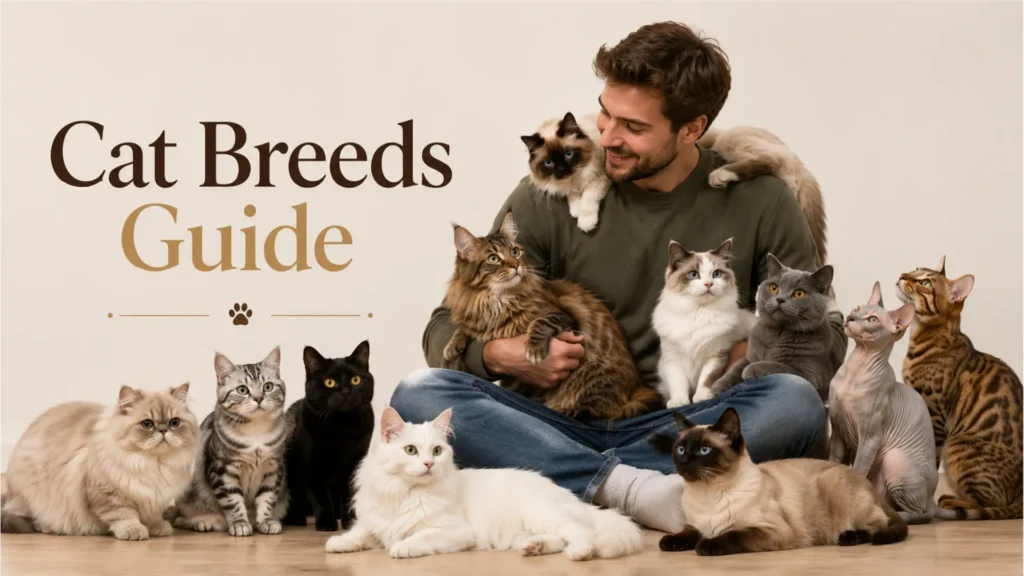
This complete cat breeds guide explains how cat breeds differ, how to select the right breed, what care requirements to expect, and which breeds are best suited for different households.
Key Takeaways
- Cat breeds differ significantly in personality, activity level, grooming needs, trainability, and social behavior, making breed selection an important long-term decision.
- The best cat breed is not necessarily the most popular or expensive one. The ideal breed is the one that matches your lifestyle, living space, budget, and daily routine.
- Maine Coons, Ragdolls, and Siberians are among the best choices for families because of their friendly and adaptable nature.
- British Shorthairs, Russian Blues, and American Shorthairs are excellent options for first-time cat owners due to their manageable care requirements and balanced temperaments.
- Highly active breeds such as Bengals, Abyssinians, Savannahs, and Siamese require more enrichment, playtime, and mental stimulation than many owners expect.
- Long-haired breeds like Persians, Himalayans, and Maine Coons need regular grooming to prevent matting and maintain coat health.
- No cat breed is completely hypoallergenic, but Siberians, Balinese, Devon Rex, and Cornish Rex may be better tolerated by some allergy sufferers.
- Indoor cats generally live longer and face fewer risks than outdoor cats, but all cats require environmental enrichment and daily interaction.
- Responsible breeders perform health testing and provide documentation, while adoption offers a rewarding opportunity to give a cat in need a permanent home.
- Understanding breed-specific health concerns, nutrition needs, and care requirements helps owners provide better lifelong care.
- Most cats live between 12 and 20 years, making breed selection a commitment that should be based on compatibility rather than appearance alone.
- Whether you choose a purebred or mixed-breed cat, proper nutrition, veterinary care, enrichment, and socialization are the foundations of a healthy and happy feline companion.
Read Also: Complete Dogs Breeds Guide: Types, Traits, Sizes & Care
What is a cat breed?
A cat breed is a group of domestic cats that share specific physical characteristics and behavioral tendencies developed through selective breeding over multiple generations.
Breed standards typically define:
- Body shape
- Size
- Coat length
- Coat texture
- Coat color patterns
- Eye color
- Ear shape
- Temperament tendencies
Several international organizations maintain breed standards and registration systems. Among the most recognized are the Cat Fanciers’ Association (CFA), The International Cat Association (TICA), Fédération Internationale Féline (FIFe), and the Governing Council of the Cat Fancy (GCCF).
It’s important to remember that breed descriptions describe tendencies rather than guarantees. Every cat develops a unique personality shaped by genetics, environment, socialization, and life experiences.
How cats became one of the world’s favorite pets
Domestic cats have shared human homes for thousands of years.
Archaeological evidence suggests that cats began living alongside humans approximately 9,000 to 10,000 years ago. Early farming communities stored grain, which attracted rodents. Wildcats naturally followed this food source and gradually developed a mutually beneficial relationship with people.
Unlike dogs, which were actively bred and shaped for specific tasks, cats largely integrated themselves into human settlements. This independent history helps explain many of the behaviors modern cats still display today.
Even the most affectionate house cat retains strong instincts for hunting, climbing, observing, and exploring.
Quick facts about domestic cats
| Category | Information |
|---|---|
| Scientific Name | Felis catus |
| Domestication | Approximately 9,000–10,000 years ago |
| Average Lifespan | 12–18 years indoors |
| Sleep Duration | 12–16 hours daily |
| Senior Age | Around 11 years |
| Number of Recognized Breeds | More than 70 worldwide |
| Most Common Pet Type | Among the most popular pets globally |
Why cat breeds matter
Many first-time owners assume all cats behave similarly.
In reality, the differences between breeds can be significant. Living with a Siamese often feels completely different from living with a Persian. A Maine Coon’s behavior differs considerably from a Bengal’s behavior.
Breed differences commonly affect:
- Activity level
- Intelligence
- Vocalization
- Affection level
- Trainability
- Grooming requirements
- Family compatibility
- Adaptability
- Social behavior
Understanding these differences helps owners choose a cat that naturally fits their lifestyle instead of trying to force a mismatch.
How many cat breeds exist today?
The exact number depends on the organization maintaining the registry.
Different cat associations recognize different breeds and breed variations. Some organizations are more conservative when recognizing new breeds, while others accept a wider range of established breeding programs.
| Registry | Approximate Number of Recognized Breeds |
|---|---|
| TICA | 70+ |
| CFA | 40+ |
| FIFe | 40+ |
| GCCF | 40+ |
New breeds occasionally gain recognition as breeding programs mature and meet established standards.
Cat breed classifications
Understanding major breed categories makes choosing a cat much easier.
Rather than focusing on individual breeds immediately, start by understanding the broad groups cats belong to.
Short-haired cat breeds
Short-haired cats are the most common category worldwide.
Their coats require relatively little maintenance and usually need only occasional brushing. Many first-time owners prefer short-haired breeds because they are simple to care for and fit well into busy lifestyles.
Popular short-haired breeds include:
- British Shorthair
- Russian Blue
- Siamese
- American Shorthair
- Burmese
- Bombay
Advantages of short-haired breeds
- Easier grooming routines
- Lower maintenance
- Less coat matting
- Reduced grooming expenses
- Good choice for beginners
Potential drawbacks
- Some still shed heavily
- Coat maintenance is lower but not eliminated
- Breed-specific health concerns may still exist
Long-haired cat breeds
Long-haired cats attract attention because of their luxurious coats and striking appearance.
Many long-haired breeds have calm, gentle personalities, although temperament varies considerably between breeds.
Popular long-haired breeds include:
- Maine Coon
- Persian
- Ragdoll
- Siberian
- Norwegian Forest Cat
- Himalayan
Advantages of long-haired breeds
- Beautiful appearance
- Soft coats
- Distinctive look
- Strong popularity among cat enthusiasts
Potential drawbacks
- Frequent brushing required
- Higher grooming commitment
- Greater risk of matting
- More hair around the home
Owners should honestly evaluate their willingness to maintain a grooming routine before choosing a long-haired breed.
Hairless cat breeds
Hairless cats stand out immediately because of their unusual appearance.
Many people assume hairless breeds require little maintenance. Daily ownership often proves otherwise.
Without fur to absorb natural oils, regular skin care becomes essential.
Popular hairless breeds include:
- Sphynx
- Donskoy
- Peterbald
Advantages of hairless breeds
- Minimal shedding
- Unique appearance
- Highly social personalities
- Often very affectionate
Potential drawbacks
- Regular bathing required
- Temperature sensitivity
- Increased skin care needs
- Higher maintenance than many owners expect
Cat breed classifications by size
Size influences feeding costs, exercise needs, and living space requirements.
Small cat breeds
Small cats remain compact throughout adulthood and often adapt well to apartments.
Examples include:
- Singapura
- Devon Rex
- Cornish Rex
- Munchkin
Average weight:
4–8 pounds
Medium-sized cat breeds
Medium-sized cats represent the largest category of domestic cats.
Examples include:
- Siamese
- Russian Blue
- Burmese
- American Shorthair
Average weight:
8–12 pounds
Large cat breeds
Large breeds often have impressive physical presence and strong personalities.
Examples include:
- Maine Coon
- Ragdoll
- Norwegian Forest Cat
- Siberian
- Savannah
Average weight:
12–25+ pounds
Large breeds typically require larger scratching posts, larger litter boxes, and increased food budgets.
Cat breed classifications by activity level
Understanding activity level may be the most important factor when selecting a cat.
A mismatch here creates more problems than almost any other factor.
High-energy breeds
These cats need daily mental and physical stimulation.
Without adequate enrichment, boredom-related behaviors may develop.
Examples:
- Bengal
- Abyssinian
- Siamese
- Oriental Shorthair
These breeds often enjoy:
- Puzzle feeders
- Training sessions
- Interactive toys
- Climbing trees
- Exploration
Moderate-energy breeds
These cats balance activity and relaxation.
Examples:
- Maine Coon
- Siberian
- Burmese
- American Shorthair
Many families find this category easiest to manage.
Low-energy breeds
These breeds generally prefer calm routines.
Examples:
- Persian
- British Shorthair
- Ragdoll
They still need exercise and enrichment, but their activity requirements are typically lower.
How to choose the right cat breed
Before reviewing individual breed profiles, ask yourself a few important questions.
Your answers will eliminate many unsuitable options immediately.
How much time do you spend at home?
Some breeds thrive on constant interaction.
Others are more independent.
Owners who work long hours often prefer:
- British Shorthair
- Russian Blue
- American Shorthair
People who spend significant time at home may enjoy:
- Siamese
- Burmese
- Ragdoll
- Sphynx
How much grooming can you realistically provide?
Many owners underestimate grooming requirements.
Be honest with yourself.
Low grooming:
- Siamese
- Burmese
- Russian Blue
Moderate grooming:
- Maine Coon
- Ragdoll
- Siberian
High grooming:
- Persian
- Himalayan
Skipping grooming often leads to mats, skin issues, and discomfort.
Do you have children?
Family compatibility matters.
Children and cats should always learn respectful interactions, but some breeds naturally adapt better to family environments.
Excellent family breeds include:
- Maine Coon
- Ragdoll
- Siberian
- Burmese
Do you have other pets?
Multi-pet homes often benefit from social, adaptable breeds.
Good choices include:
- Maine Coon
- Ragdoll
- Siberian
- Burmese
30 Most popular cat breeds: detailed breed profiles
Now that you understand how cat breeds differ, it’s time to look at individual breeds in more detail.
These profiles focus on what actually matters to owners: personality, activity level, grooming requirements, health considerations, and who each breed is best suited for.
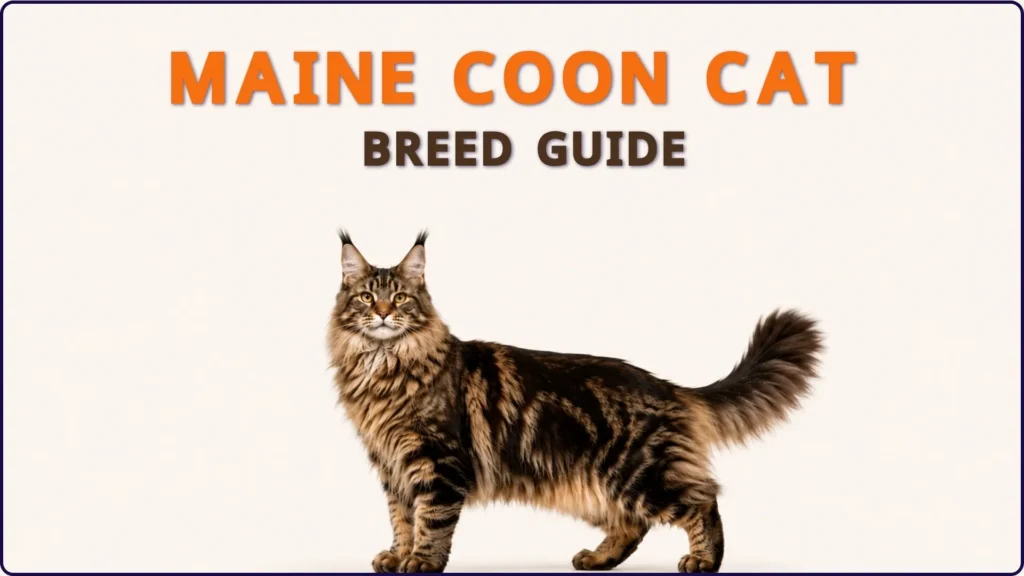
1. Maine Coon
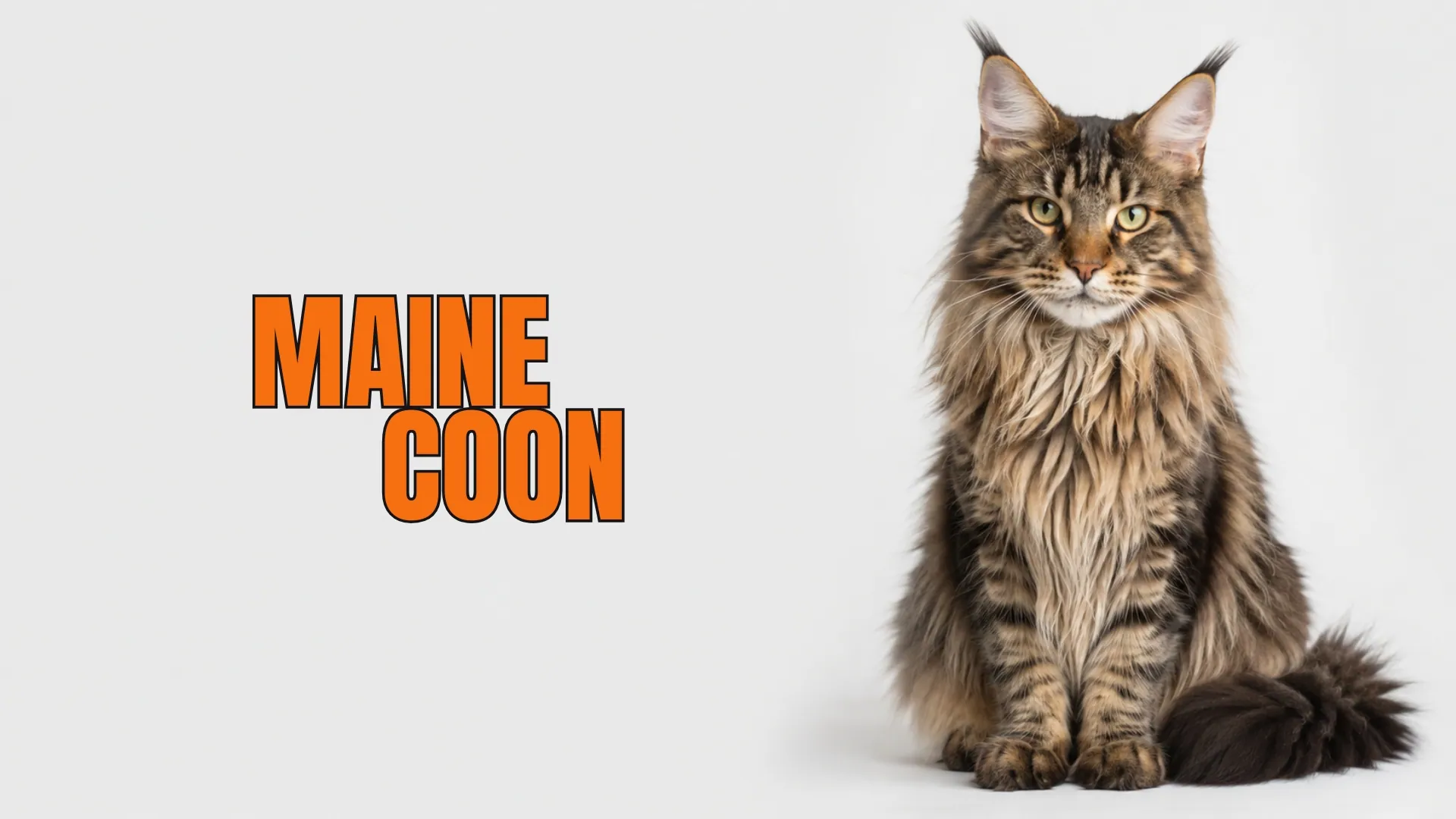
Often called the “Gentle Giant” of the cat world, the Maine Coon is one of the largest domestic cat breeds. Despite its impressive size, this breed is known for its friendly personality, intelligence, and strong bond with people.
Maine Coons are frequently described as having dog-like traits. They enjoy following family members around the house, participating in daily activities, and getting along well with children and other pets. Their adaptable nature makes them one of the most popular cat breeds for families.
At a Glance
| Trait | Details |
|---|---|
| Size | Large |
| Weight | 10–25 lbs (4.5–11.3 kg) |
| Coat | Long, shaggy, water-resistant |
| Shedding | Moderate to High |
| Maine Coon Lifespan | 12–15 years |
| Energy Level | Moderate |
| Affection Level | High |
| Grooming Needs | Moderate |
| Family Friendly | Excellent |
| Beginner Friendly | Excellent |
| Apartment Friendly | Good |
Why Owners Love the Maine Coon
- Friendly and affectionate without being clingy
- Gets along well with children and other pets
- Intelligent and easy to train
- Playful throughout adulthood
- Adaptable to many living situations
- Known for their unique chirping and trilling sounds
Things to Consider
Maine Coons require regular grooming to maintain their long coat and may be predisposed to certain inherited health conditions. They also need plenty of space, enrichment, and interaction to stay happy and healthy.
Ideal For
Maine Coons are best suited for families, multi-pet households, first-time cat owners, and anyone looking for a sociable and affectionate companion.
➡ Read our Complete Maine Coon Cat Guide to learn about grooming, personality, health issues, costs, kitten care, nutrition, and whether this breed is right for your lifestyle.
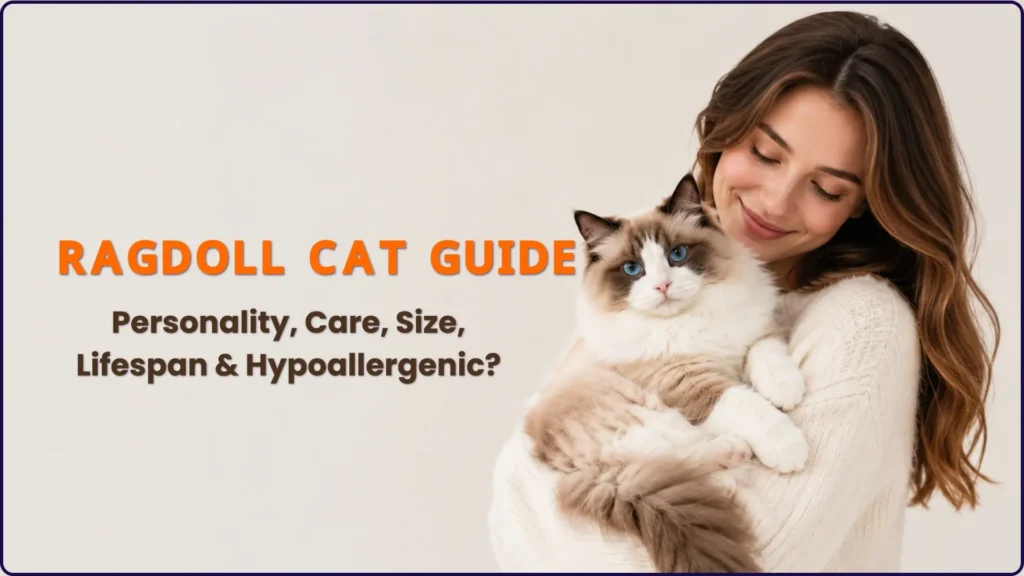
2. Ragdoll
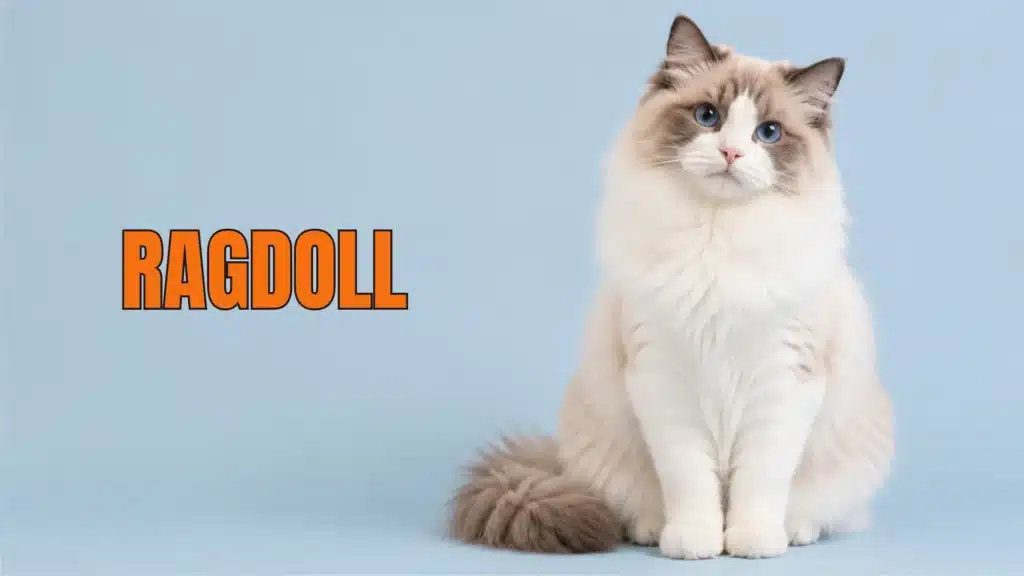
The Ragdoll is one of the most affectionate and people-oriented cat breeds in the world. Known for its calm temperament and striking blue eyes, this gentle breed often forms strong bonds with family members and enjoys being involved in daily household activities.
Unlike many independent cats, Ragdolls typically seek companionship and are happiest when spending time near their favorite people. Their relaxed personality, adaptability, and loving nature have made them one of the most popular choices for families, seniors, and first-time cat owners.
At a Glance
| Trait | Details |
|---|---|
| Size | Large |
| Weight | 10–20 lbs (4.5–9 kg) |
| Coat | Semi-long, silky |
| Shedding | Moderate |
| Ragdoll Lifespan | 12–17 years |
| Energy Level | Low to Moderate |
| Grooming Needs | Moderate |
| Family Friendly | Excellent |
| Apartment Friendly | Excellent |
Why Choose a Ragdoll?
- Exceptionally affectionate and gentle
- Usually gets along well with children and other pets
- Adaptable to apartments and indoor living
- Enjoys companionship and human interaction
- Beautiful blue eyes and soft coat
Things to Consider
Ragdolls thrive on companionship and may become lonely if left alone for long periods. Although their silky coat is less prone to matting than some long-haired breeds, regular brushing is still necessary to keep it healthy and reduce shedding.
Ideal For
Ragdolls are best suited for families, seniors, apartment dwellers, and owners looking for a calm, affectionate indoor companion.
➡ Read our Complete Ragdoll Cat Breed Guide to learn about personality, grooming, health, costs, kitten care, and whether this breed is the right fit for your lifestyle.
3. British Shorthair
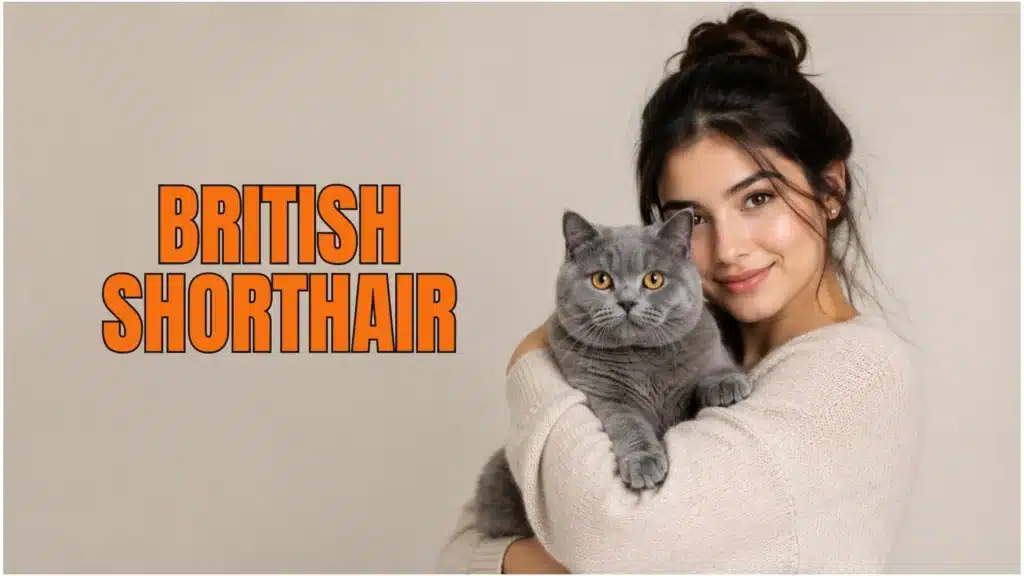
The British Shorthair is one of the most popular and recognizable cat breeds in the world. Known for its plush coat, round face, and calm personality, this breed is often recommended for owners seeking a low-maintenance and adaptable companion.
British Shorthairs are affectionate without being overly demanding. They enjoy spending time with their families but are also comfortable entertaining themselves, making them a great choice for busy households and first-time cat owners.
At a Glance
| Trait | Details |
|---|---|
| Size | Medium to Large |
| Weight | 7–17 lbs (3–8 kg) |
| Coat | Short, dense, plush |
| Shedding | Moderate |
| British Shorthair Lifespan | 12–20 years |
| Energy Level | Low to Moderate |
| Affection Level | Medium to High |
| Grooming Needs | Low |
| Family Friendly | Excellent |
| Beginner Friendly | Excellent |
| Apartment Friendly | Excellent |
Why Choose a British Shorthair?
- Calm and easygoing temperament
- Adaptable to various living situations
- Low grooming requirements
- Suitable for busy professionals
- Excellent choice for first-time cat owners
Things to Consider
British Shorthairs can be prone to weight gain if they don’t receive enough exercise or portion control. While they enjoy companionship, they are generally less demanding and less vocal than many highly social breeds.
Ideal For
British Shorthairs are best suited for apartment dwellers, professionals, families, seniors, and anyone looking for a relaxed and independent feline companion.
➡ Read our Complete British Shorthair Cat Guide to learn about personality, grooming, health concerns, costs, nutrition, and daily care requirements.
4. Siamese
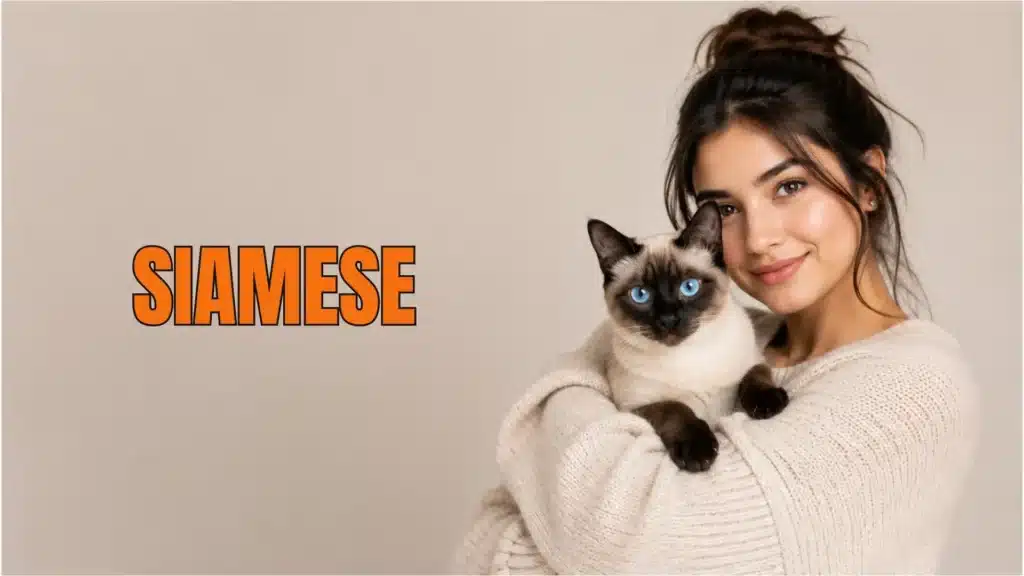
The Siamese is one of the oldest and most recognizable cat breeds in the world. Famous for its striking blue eyes, elegant appearance, and distinctive voice, this breed is known for forming strong bonds with its owners and actively seeking attention.
Unlike more independent breeds, Siamese cats thrive on interaction and companionship. They are highly intelligent, curious, and vocal, often “talking” to their owners throughout the day. Their outgoing personality makes them a favorite among cat lovers who want an engaging and interactive pet.
At a Glance
| Trait | Details |
|---|---|
| Size | Medium |
| Weight | 6–14 lbs (2.7–6.4 kg) |
| Coat | Short, fine, colorpoint |
| Shedding | Low |
| Siamese Lifespan | 15–20 years |
| Energy Level | High |
| Affection Level | Very High |
| Grooming Needs | Low |
| Family Friendly | Excellent |
| Beginner Friendly | Good |
| Apartment Friendly | Good |
Why Choose a Siamese?
- Highly affectionate and people-oriented
- Extremely intelligent and trainable
- Low-maintenance coat
- Playful and energetic personality
- Strong bond with family members
Things to Consider
Siamese cats crave attention and may become bored or lonely if left alone for extended periods. They are also one of the most vocal cat breeds, which may not suit owners looking for a quiet companion.
Ideal For
Siamese cats are best suited for active households, experienced owners, families, and people who spend plenty of time at home.
➡ Read our Complete Siamese Cat Guide to learn about personality, grooming, health concerns, training, costs, and daily care requirements.
5. Persian
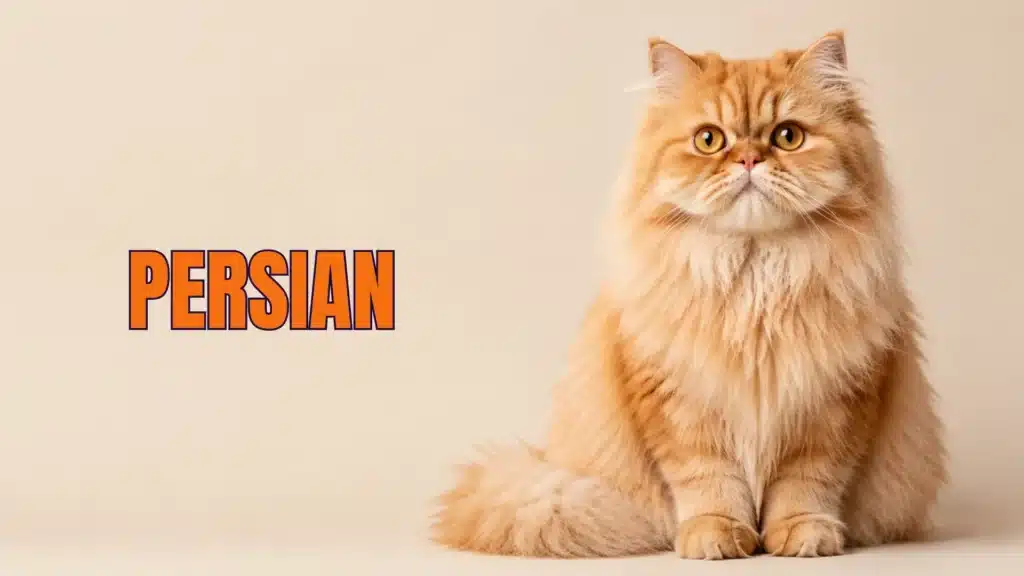
The Persian is one of the world’s most iconic cat breeds, admired for its luxurious coat, expressive eyes, and calm demeanor. For decades, Persians have been a favorite among cat enthusiasts seeking a gentle and elegant companion.
Unlike highly active breeds, Persians typically prefer a relaxed lifestyle and thrive in quiet, predictable environments. Their affectionate yet undemanding personality makes them particularly well-suited for owners who appreciate a peaceful household.
At a Glance
| Trait | Details |
|---|---|
| Size | Medium |
| Weight | 7–12 lbs (3.2–5.4 kg) |
| Coat | Long, thick, luxurious |
| Shedding | High |
| Persian Lifespan | 12–17 years |
| Energy Level | Low |
| Affection Level | High |
| Grooming Needs | High |
| Family Friendly | Good |
| Beginner Friendly | Moderate |
| Apartment Friendly | Excellent |
Why Choose a Persian?
- Calm and gentle temperament
- Beautiful long coat and distinctive appearance
- Enjoys a relaxed indoor lifestyle
- Affectionate without being overly demanding
- Well-suited for quiet homes
Things to Consider
Persians require significant grooming to keep their coat free from mats and tangles. Their flat facial structure can also contribute to breathing, eye, and dental issues, making regular veterinary care especially important.
Ideal For
Persians are best suited for quiet households, seniors, apartment dwellers, and owners willing to invest time in regular grooming and coat maintenance.
➡ Read our Complete Persian Cat Guide to learn about grooming, health concerns, coat care, personality, costs, and daily ownership requirements.
6. Bengal
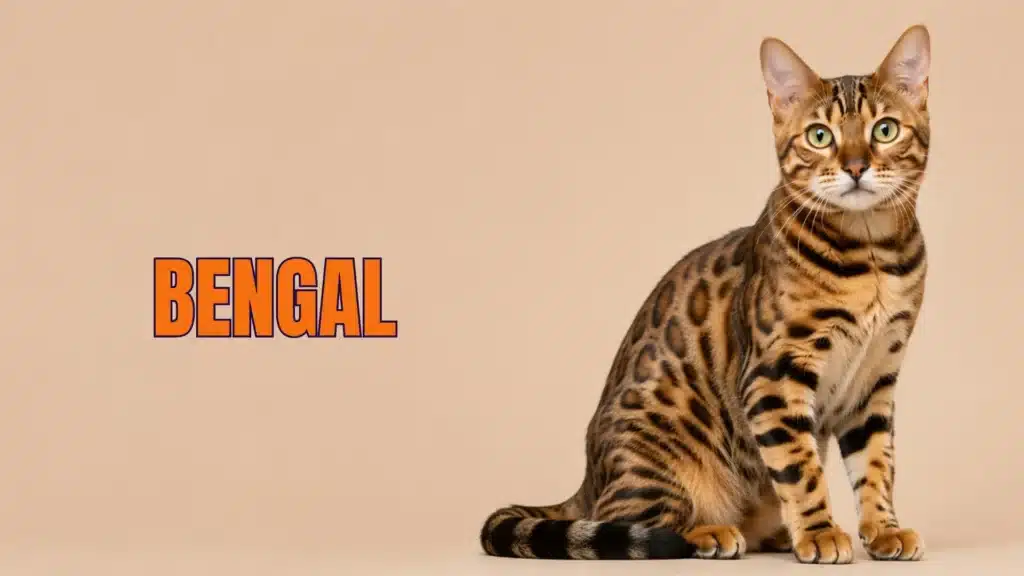
The Bengal is one of the most active and intelligent domestic cat breeds. Famous for its striking spotted or marbled coat, the Bengal has a wild appearance that immediately captures attention. However, its energetic personality is often even more remarkable than its looks.
Unlike many laid-back breeds, Bengals thrive on activity, exploration, and mental challenges. They enjoy climbing, puzzle toys, interactive games, and learning new skills. For owners seeking a highly engaging and adventurous companion, the Bengal can be an excellent choice.
At a Glance
| Trait | Details |
|---|---|
| Size | Medium to Large |
| Weight | 8–15 lbs (3.6–6.8 kg) |
| Coat | Short, dense, spotted or marbled |
| Shedding | Low to Moderate |
| Bengal Lifespan | 12–16 years |
| Energy Level | Very High |
| Affection Level | Medium to High |
| Grooming Needs | Low |
| Family Friendly | Good |
| Beginner Friendly | Moderate |
| Apartment Friendly | Moderate |
Why Choose a Bengal?
- Highly intelligent and trainable
- Stunning wild-cat appearance
- Playful and athletic personality
- Enjoys interactive games and enrichment
- Strong problem-solving abilities
Things to Consider
Bengals require significantly more physical and mental stimulation than many other cat breeds. Without adequate enrichment, they can become bored and develop unwanted behaviors. This breed is often better suited to experienced owners who can provide plenty of daily interaction and activity.
Ideal For
Bengals are best suited for active households, experienced cat owners, and people who enjoy interactive play, training, and environmental enrichment.
➡ Read our Complete Bengal Cat Guide to learn about personality, exercise needs, health concerns, training, costs, and daily care requirements.
7. Siberian
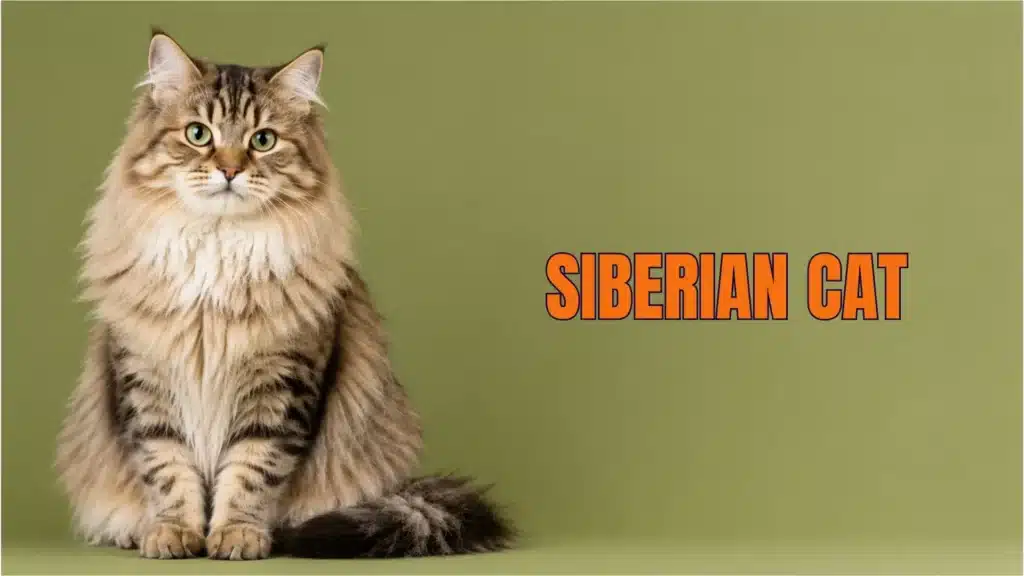
The Siberian is a powerful and resilient cat breed that developed naturally in the forests of Russia. Bred by nature to withstand harsh winters, this breed is known for its thick triple-layer coat, athletic build, and adaptable personality.
Despite their rugged appearance, Siberians are affectionate and social companions. They often form strong bonds with family members while maintaining an independent streak. Their combination of playfulness, intelligence, and friendliness makes them a popular choice for families and multi-pet households.
At a Glance
| Trait | Details |
|---|---|
| Size | Large |
| Weight | 8–17 lbs (3.6–7.7 kg) |
| Coat | Triple-layer, semi-long |
| Shedding | Moderate to High |
| Siberian Lifespan | 12–18 years |
| Energy Level | Moderate |
| Affection Level | High |
| Grooming Needs | Moderate |
| Family Friendly | Excellent |
| Beginner Friendly | Excellent |
| Apartment Friendly | Good |
Why Choose a Siberian?
- Friendly and affectionate personality
- Gets along well with children and other pets
- Adaptable to different living environments
- Playful without being overly demanding
- Strong, athletic, and intelligent breed
Things to Consider
Siberians have a dense coat that sheds seasonally and requires regular brushing to prevent tangles and remove loose hair. They are active cats that benefit from climbing opportunities, interactive toys, and daily play sessions.
Ideal For
Siberians are best suited for families, multi-pet households, active owners, and those looking for an affectionate yet adaptable companion.
➡ Read our Complete Siberian Cat Guide to learn about grooming, personality, health concerns, coat care, costs, and daily ownership requirements.
8. Norwegian Forest Cat
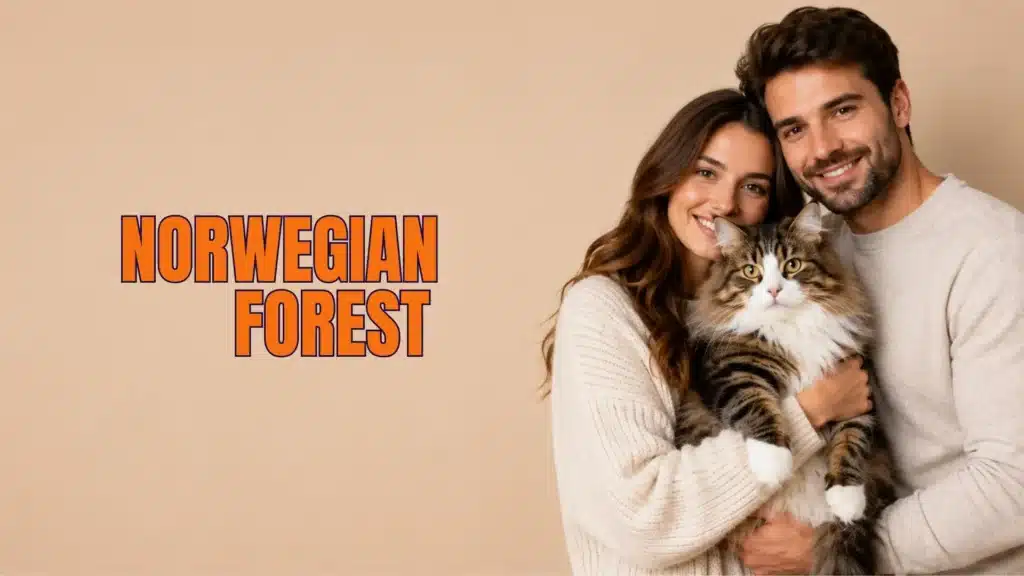
The Norwegian Forest Cat is a large, natural breed that originated in the rugged landscapes of Northern Europe. Developed to withstand cold climates, this breed is known for its thick waterproof coat, strong build, and impressive climbing abilities.
Despite its rugged appearance, the Norwegian Forest Cat is typically gentle, friendly, and adaptable. These cats enjoy spending time with their families but are generally less demanding than some highly social breeds. Their combination of independence and affection makes them a wonderful companion for many households.
At a Glance
| Trait | Details |
|---|---|
| Size | Large |
| Weight | 9–20 lbs (4–9 kg) |
| Coat | Long, thick, waterproof double coat |
| Shedding | Moderate to High |
| Norwegian Forest Cat Lifespan | 13–18 years |
| Energy Level | Moderate |
| Affection Level | High |
| Grooming Needs | Moderate |
| Family Friendly | Excellent |
| Beginner Friendly | Good |
| Apartment Friendly | Good |
Why Choose a Norwegian Forest Cat?
- Friendly and gentle temperament
- Strong climber and natural explorer
- Adaptable to families and multi-pet homes
- Intelligent and independent
- Beautiful weather-resistant coat
Things to Consider
Norwegian Forest Cats have a dense coat that requires regular brushing, particularly during seasonal shedding periods. They also enjoy climbing and exploring, so cat trees and vertical spaces are highly recommended.
Ideal For
Norwegian Forest Cats are best suited for families, multi-pet households, active owners, and homes that can provide plenty of climbing and enrichment opportunities.
➡ Read our Complete Norwegian Forest Cat Guide to learn about personality, grooming, health concerns, coat care, costs, and daily ownership requirements.
9. Burmese
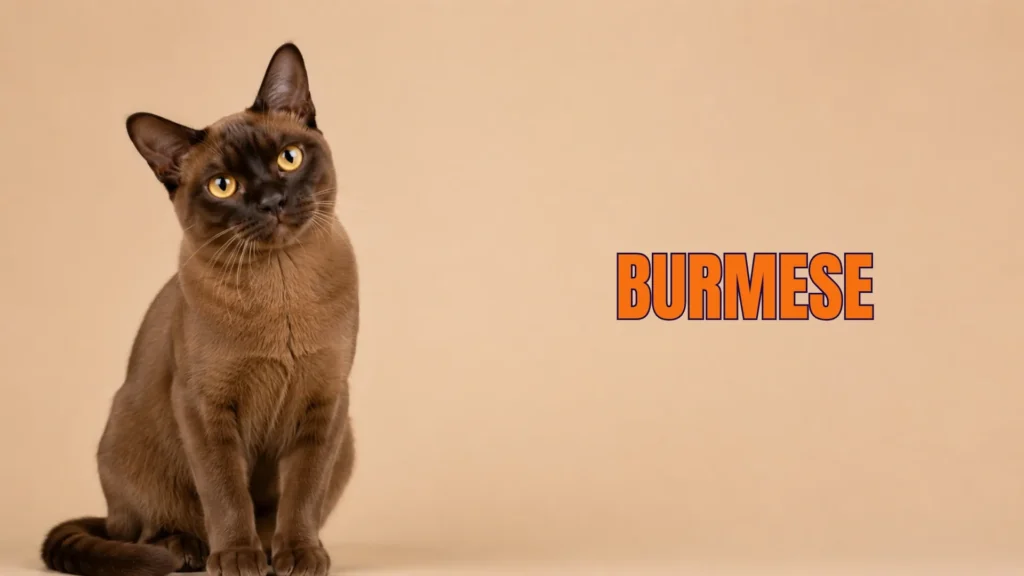
The Burmese is one of the most people-oriented cat breeds, renowned for its affectionate nature and strong desire for companionship. These cats thrive on human interaction and often form exceptionally close bonds with their families.
Many owners describe Burmese cats as having dog-like personalities because they enjoy following people around the house, participating in daily activities, and seeking attention. Their playful and social temperament makes them a wonderful choice for households looking for an interactive and loving companion.
At a Glance
| Trait | Details |
|---|---|
| Size | Medium |
| Weight | 8–12 lbs (3.6–5.4 kg) |
| Coat | Short, fine, silky |
| Shedding | Low |
| Burmese Lifespan | 14–18 years |
| Energy Level | Moderate |
| Affection Level | Very High |
| Grooming Needs | Low |
| Family Friendly | Excellent |
| Beginner Friendly | Excellent |
| Apartment Friendly | Excellent |
Why Choose a Burmese?
- Extremely affectionate and people-focused
- Enjoys companionship and family interaction
- Playful well into adulthood
- Low-maintenance coat
- Gets along well with children and other pets
Things to Consider
Burmese cats thrive on attention and may become lonely if left alone for long periods. They generally do best in homes where someone is frequently present or where they have other pets for companionship.
Ideal For
Burmese cats are best suited for families, multi-pet households, retirees, and owners who spend significant time at home.
➡ Read our Complete Burmese Cat Guide to learn about personality, grooming, health concerns, costs, nutrition, and daily care requirements.
10. Russian Blue
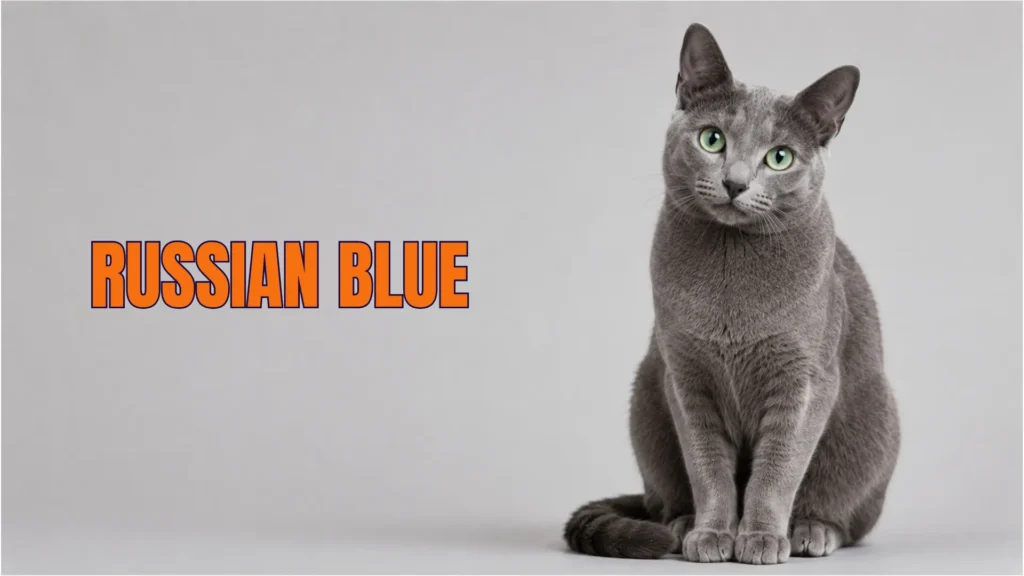
The Russian Blue is an elegant and intelligent cat breed known for its shimmering blue-gray coat and striking green eyes. Calm, affectionate, and gentle, these cats often form deep bonds with their families while remaining somewhat reserved around unfamiliar people.
Unlike highly demanding breeds, Russian Blues are generally quiet and independent. They appreciate routine, enjoy peaceful environments, and often thrive in homes where stability and predictability are part of daily life.
At a Glance
| Trait | Details |
|---|---|
| Size | Medium |
| Weight | 7–15 lbs (3.2–6.8 kg) |
| Coat | Short, dense, blue-gray |
| Shedding | Low to Moderate |
| Russian Blue Lifespan | 15–20 years |
| Energy Level | Moderate |
| Affection Level | High |
| Grooming Needs | Low |
| Family Friendly | Excellent |
| Beginner Friendly | Excellent |
| Apartment Friendly | Excellent |
Why Choose a Russian Blue?
- Calm and gentle temperament
- Strong loyalty to family members
- Low-maintenance grooming requirements
- Intelligent and observant personality
- Well-suited for apartment living
Things to Consider
Russian Blues can be shy around strangers and may take time to warm up to new people or environments. They also tend to prefer consistent routines and may become stressed by frequent household disruptions.
Ideal For
Russian Blues are best suited for apartment dwellers, professionals, seniors, and anyone seeking a quiet, affectionate, and easy-to-care-for companion.
➡ Read our Complete Russian Blue Cat Guide to learn about personality, grooming, health, nutrition, costs, and daily care requirements.
11. Abyssinian
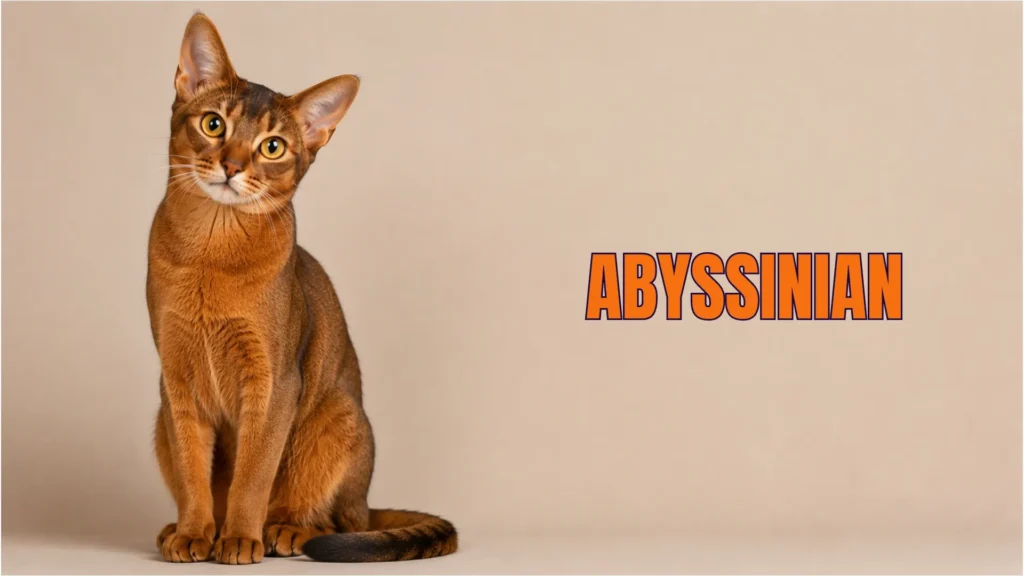
The Abyssinian is one of the most active and intelligent cat breeds in the world. Often referred to as the “athlete of the cat world,” this breed is constantly on the move, exploring its surroundings, climbing to high places, and investigating anything that captures its attention.
Unlike breeds that prefer lounging on the couch, Abyssinians thrive on activity and interaction. Their curious nature, playful personality, and high intelligence make them a favorite among owners who enjoy an energetic and engaging companion.
At a Glance
| Trait | Details |
|---|---|
| Size | Medium |
| Weight | 6–12 lbs (2.7–5.4 kg) |
| Coat | Short, ticked |
| Shedding | Low |
| Abyssinian Lifespan | 12–15 years |
| Energy Level | Very High |
| Affection Level | High |
| Grooming Needs | Low |
| Family Friendly | Excellent |
| Beginner Friendly | Moderate |
| Apartment Friendly | Good |
Why Choose an Abyssinian?
- Extremely intelligent and curious
- Highly active and playful
- Low-maintenance coat
- Enjoys interactive games and enrichment
- Strong bond with family members
Things to Consider
Abyssinians require more mental and physical stimulation than many other cat breeds. Without sufficient enrichment, they can become bored and may develop unwanted behaviors. They are generally happiest in homes that provide climbing structures, puzzle toys, and daily interactive play.
Ideal For
Abyssinians are best suited for active households, experienced cat owners, families, and homes that can provide plenty of exercise and environmental enrichment.
➡ Read our Complete Abyssinian Cat Guide to learn about personality, exercise needs, health concerns, grooming, costs, and daily care requirements.
12. Sphynx
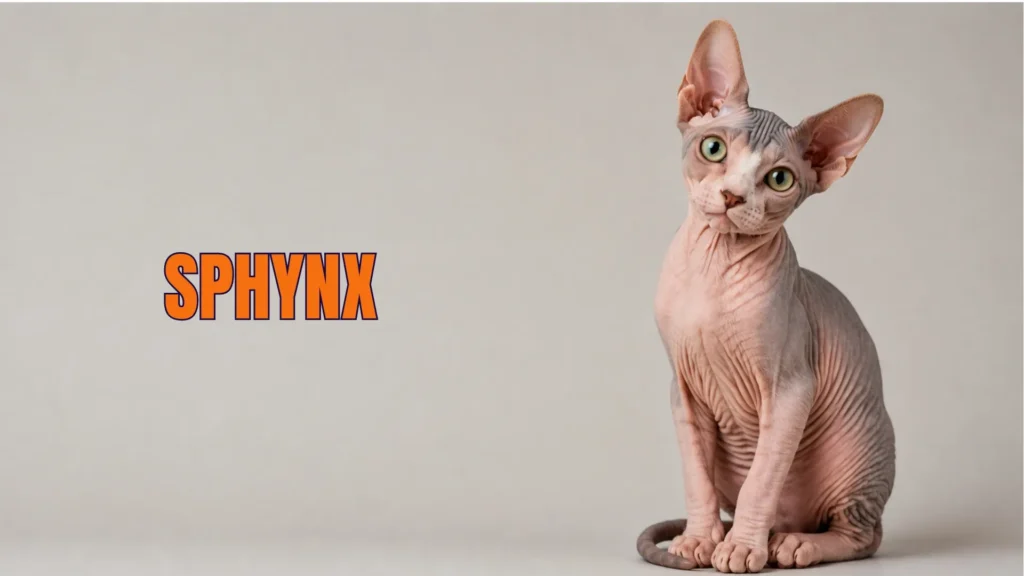
The Sphynx is one of the most distinctive and recognizable cat breeds in the world. Best known for its hairless appearance, this breed attracts attention wherever it goes. However, many owners quickly discover that the Sphynx’s affectionate and outgoing personality is even more remarkable than its unique look.
Unlike many independent cats, Sphynx cats thrive on companionship and often seek constant interaction with their families. They enjoy being the center of attention and are happiest when involved in everyday household activities.
At a Glance
| Trait | Details |
|---|---|
| Size | Medium |
| Weight | 6–12 lbs (2.7–5.4 kg) |
| Coat | Hairless (fine down may be present) |
| Shedding | Very Low |
| Sphynx Lifespan | 8–14 years |
| Energy Level | Moderate to High |
| Affection Level | Very High |
| Grooming Needs | Moderate to High |
| Family Friendly | Excellent |
| Beginner Friendly | Good |
| Apartment Friendly | Excellent |
Why Choose a Sphynx?
- Extremely affectionate and people-oriented
- Loves attention and companionship
- Unique and eye-catching appearance
- Playful and entertaining personality
- Generally gets along well with children and other pets
Things to Consider
Although hairless, Sphynx cats are not maintenance-free. Their skin produces oils that normally would be absorbed by fur, making regular cleaning and occasional baths necessary. They are also sensitive to temperature extremes and generally require a warm indoor environment.
Ideal For
Sphynx cats are best suited for families, apartment dwellers, multi-pet households, and owners who spend significant time at home and want a highly affectionate companion.
➡ Read our Complete Sphynx Cat Guide to learn about personality, skin care, grooming, health concerns, costs, and daily ownership requirements.
13. Scottish Fold
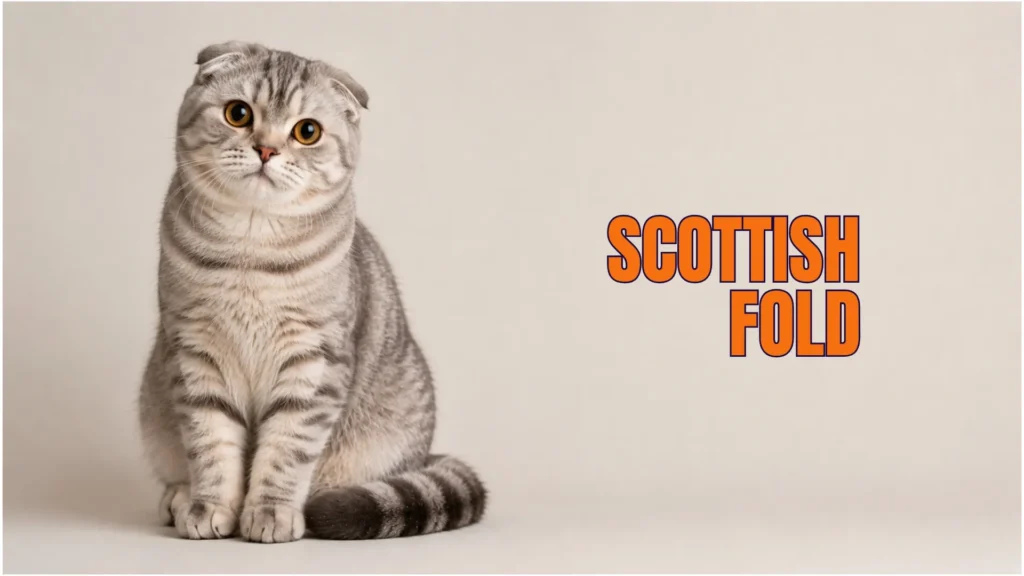
The Scottish Fold is one of the most recognizable cat breeds thanks to its distinctive folded ears and round, owl-like appearance. Combined with a gentle temperament and sweet expression, these unique features have made the breed popular among cat lovers worldwide.
Scottish Folds are generally calm, affectionate, and adaptable companions. They enjoy spending time with their families without being overly demanding, making them well-suited to a variety of living environments.
At a Glance
| Trait | Details |
|---|---|
| Size | Medium |
| Weight | 6–13 lbs (2.7–5.9 kg) |
| Coat | Short or long |
| Shedding | Moderate |
| Scottish Fold Lifespan | 11–15 years |
| Energy Level | Moderate |
| Affection Level | High |
| Grooming Needs | Low to Moderate |
| Family Friendly | Excellent |
| Beginner Friendly | Good |
| Apartment Friendly | Excellent |
Why Choose a Scottish Fold?
- Sweet and gentle temperament
- Adaptable to different household types
- Affectionate without being overly demanding
- Distinctive folded-ear appearance
- Generally quiet and easygoing
Things to Consider
Scottish Folds are associated with a genetic condition called osteochondrodysplasia, which affects cartilage and bone development. This can lead to joint problems and arthritis, making it important to obtain kittens from responsible breeders and maintain regular veterinary care.
Ideal For
Scottish Folds are best suited for families, seniors, apartment dwellers, and owners seeking a calm and affectionate companion.
➡ Read our Complete Scottish Fold Cat Guide to learn about personality, health concerns, grooming, costs, and daily care requirements.
14. Devon Rex
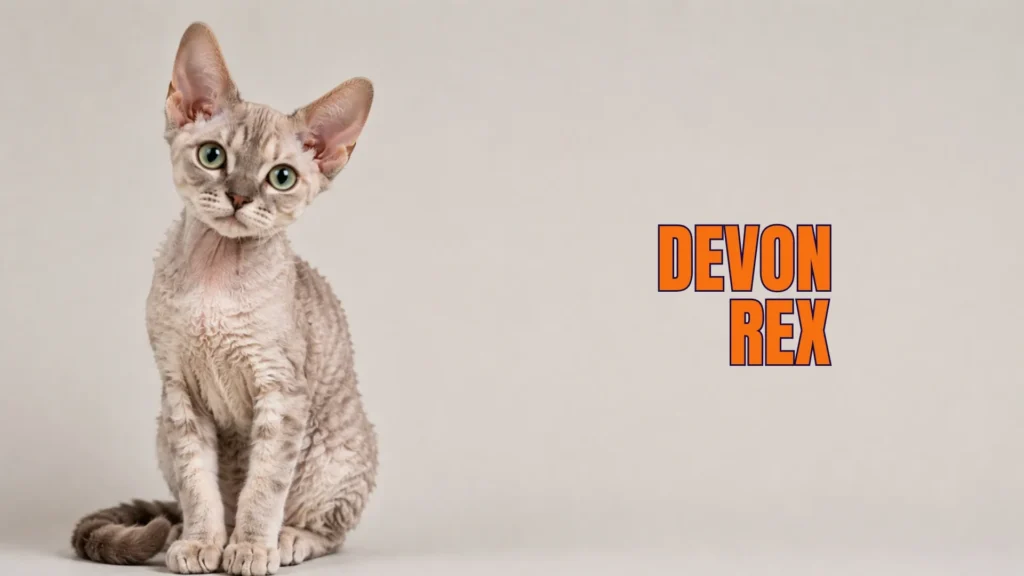
The Devon Rex is one of the most distinctive-looking cat breeds in the world. Known for its oversized ears, large expressive eyes, and soft curly coat, this breed has an almost elf-like appearance that immediately stands out from other cats.
Beyond its unique looks, the Devon Rex is loved for its playful, affectionate, and highly social personality. These cats enjoy being involved in household activities and often form strong bonds with their families. Many owners describe them as having dog-like traits because they love attention, interaction, and learning new tricks.
At a Glance
| Trait | Details |
|---|---|
| Size | Small to Medium |
| Weight | 6–9 lbs (2.7–4 kg) |
| Coat | Short, soft, curly |
| Shedding | Low |
| Devon Rex Lifespan | 12–16 years |
| Energy Level | High |
| Affection Level | Very High |
| Grooming Needs | Low |
| Family Friendly | Excellent |
| Beginner Friendly | Excellent |
| Apartment Friendly | Excellent |
Why Choose a Devon Rex?
- Extremely affectionate and people-oriented
- Playful and entertaining personality
- Minimal shedding compared to many breeds
- Intelligent and highly trainable
- Adapts well to family life and apartment living
Things to Consider
Devon Rex cats thrive on companionship and may become lonely if left alone for long periods. Their high energy level means they benefit from daily play sessions, interactive toys, and plenty of mental stimulation.
Ideal For
Devon Rex cats are best suited for families, active households, apartment dwellers, multi-pet homes, and owners who spend significant time at home.
➡ Read our Complete Devon Rex Cat Guide to learn about personality, grooming, health concerns, costs, nutrition, and daily care requirements.
15. Cornish Rex
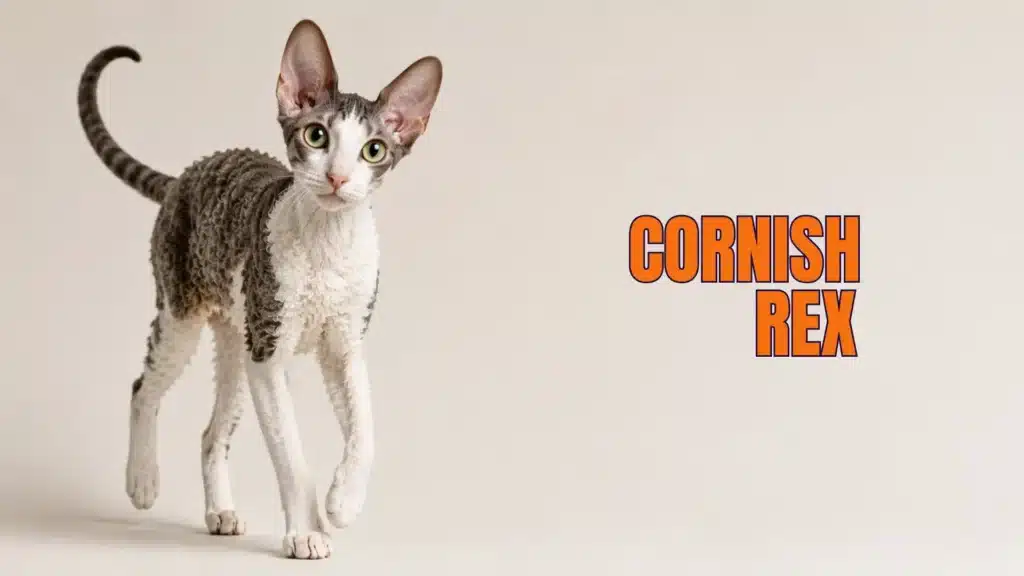
The Cornish Rex is a unique and athletic cat breed known for its soft, curly coat and energetic personality. Unlike most cats, which have multiple layers of fur, the Cornish Rex has an unusually fine coat that gives it a distinctive appearance and velvety texture.
Highly active and curious, Cornish Rex cats love to climb, run, jump, and explore their surroundings. They thrive on interaction and often remain playful well into adulthood, making them a popular choice for owners who want an engaging and entertaining companion.
At a Glance
| Trait | Details |
|---|---|
| Size | Small to Medium |
| Weight | 6–10 lbs (2.7–4.5 kg) |
| Coat | Short, soft, curly |
| Shedding | Low |
| Cornish Rex Lifespan | 11–15 years |
| Energy Level | High |
| Affection Level | High |
| Grooming Needs | Low |
| Family Friendly | Excellent |
| Beginner Friendly | Good |
| Apartment Friendly | Excellent |
Why Choose a Cornish Rex?
- Unique soft, curly coat
- Highly playful and energetic personality
- Affectionate and social with family members
- Low-shedding coat
- Intelligent and enjoys interactive games
Things to Consider
Cornish Rex cats have high energy levels and require plenty of playtime, enrichment, and attention. They are happiest in homes where they can interact regularly with people and have opportunities to climb, explore, and stay mentally stimulated.
Ideal For
Cornish Rex cats are best suited for active households, families, apartment dwellers, and owners looking for an energetic and affectionate companion.
➡ Read our Complete Cornish Rex Cat Guide to learn about personality, grooming, health concerns, nutrition, costs, and daily care requirements.
16. American Shorthair
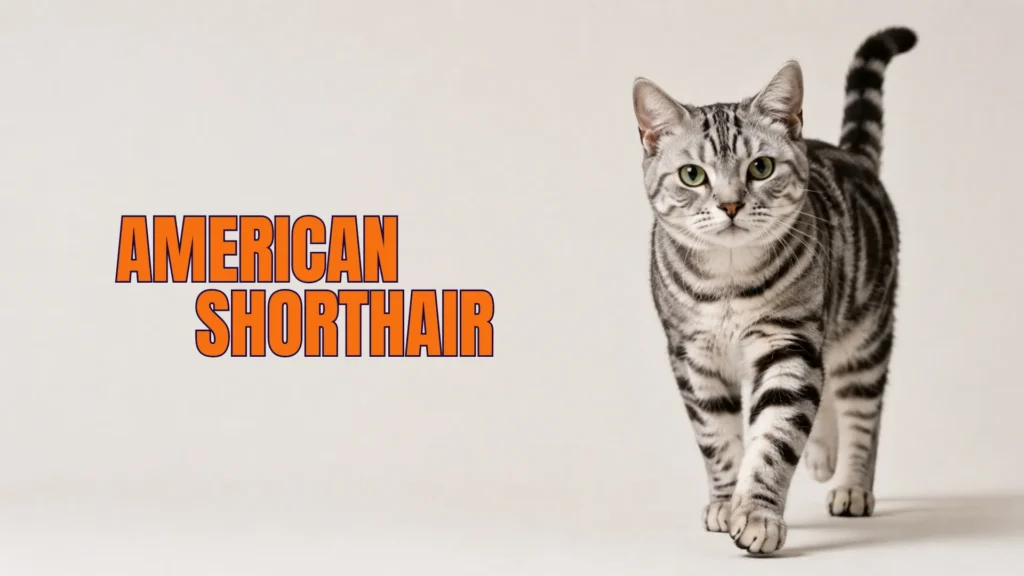
The American Shorthair is one of the most versatile and dependable cat breeds in the world. Originally descended from working cats that helped control rodents, this breed has evolved into a beloved family companion known for its adaptability, good health, and easygoing temperament.
American Shorthairs strike an excellent balance between affection and independence. They enjoy spending time with their families but are generally not overly demanding, making them a great choice for both experienced and first-time cat owners.
At a Glance
| Trait | Details |
|---|---|
| Size | Medium to Large |
| Weight | 8–15 lbs (3.6–6.8 kg) |
| Coat | Short, dense |
| Shedding | Moderate |
| American Shorthair Lifespan | 15–20 years |
| Energy Level | Moderate |
| Affection Level | High |
| Grooming Needs | Low |
| Family Friendly | Excellent |
| Beginner Friendly | Excellent |
| Apartment Friendly | Excellent |
Why Choose an American Shorthair?
- Friendly and adaptable personality
- Excellent choice for first-time cat owners
- Low-maintenance grooming requirements
- Generally healthy and long-lived
- Gets along well with children and other pets
Things to Consider
Although American Shorthairs are relatively low-maintenance, they can be prone to weight gain if they do not receive enough exercise. Regular play sessions and a balanced diet help maintain a healthy weight and overall well-being.
Ideal For
American Shorthairs are best suited for families, apartment dwellers, seniors, professionals, and anyone seeking a friendly, adaptable, and easy-to-care-for companion.
➡ Read our Complete American Shorthair Cat Guide to learn about personality, grooming, health concerns, nutrition, costs, and daily care requirements.
17. Exotic Shorthair
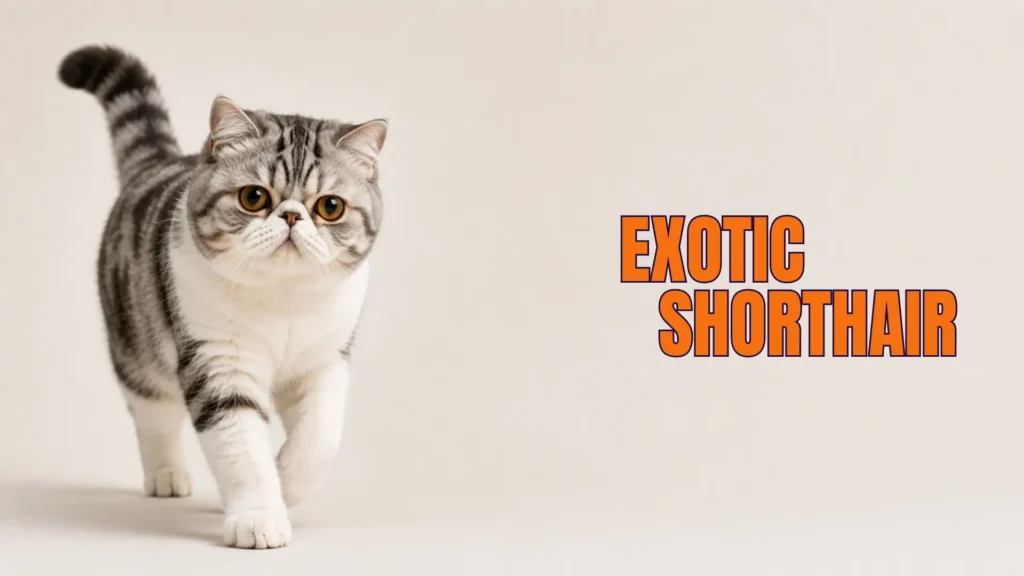
Often described as the “short-haired Persian,” the Exotic Shorthair combines the sweet, gentle personality of the Persian with a more manageable coat. This breed is known for its round face, large expressive eyes, and plush teddy bear-like appearance.
Exotic Shorthairs are calm, affectionate companions that enjoy spending time with their families without being overly demanding. Their relaxed nature and relatively easy grooming requirements make them a popular choice for owners who love the Persian look but prefer less maintenance.
At a Glance
| Trait | Details |
|---|---|
| Size | Medium |
| Weight | 7–14 lbs (3.2–6.4 kg) |
| Coat | Short, dense, plush |
| Shedding | Moderate |
| Exotic Shorthair Lifespan | 12–15 years |
| Energy Level | Low |
| Affection Level | High |
| Grooming Needs | Moderate |
| Family Friendly | Excellent |
| Beginner Friendly | Excellent |
| Apartment Friendly | Excellent |
Why Choose an Exotic Shorthair?
- Gentle and affectionate temperament
- Plush coat with less grooming than a Persian
- Adaptable to apartment living
- Quiet and easygoing personality
- Excellent companion for relaxed households
Things to Consider
Although grooming is easier than with a Persian, regular brushing is still needed to manage shedding and keep the coat healthy. Their flat facial structure may also contribute to breathing, eye, and dental issues, making routine veterinary care important.
Ideal For
Exotic Shorthairs are best suited for apartment dwellers, first-time cat owners, seniors, and anyone looking for a calm, affectionate companion with moderate grooming needs.
➡ Read our Complete Exotic Shorthair Cat Guide to learn about personality, grooming, health concerns, costs, nutrition, and daily care requirements.
18. Himalayan

The Himalayan is a beautiful breed that combines the luxurious coat of the Persian with the striking colorpoint pattern and blue eyes of the Siamese. Known for its elegant appearance and gentle temperament, the Himalayan has become a favorite among cat lovers seeking a calm and affectionate companion.
Like the Persian, Himalayans typically prefer peaceful environments and predictable routines. They enjoy spending time with their families but are generally less active than many other cat breeds, making them well-suited for relaxed indoor lifestyles.
At a Glance
| Trait | Details |
|---|---|
| Size | Medium to Large |
| Weight | 7–12 lbs (3.2–5.4 kg) |
| Coat | Long, thick, colorpoint |
| Shedding | High |
| Himalayan Lifespan | 9–15 years |
| Energy Level | Low |
| Affection Level | High |
| Grooming Needs | High |
| Family Friendly | Good |
| Beginner Friendly | Moderate |
| Apartment Friendly | Excellent |
Why Choose a Himalayan?
- Stunning blue eyes and colorpoint markings
- Sweet and gentle personality
- Enjoys a calm indoor lifestyle
- Affectionate without being overly demanding
- Beautiful long coat and elegant appearance
Things to Consider
Himalayans require daily brushing to prevent mats and tangles in their long coat. Like Persians, they can also be prone to breathing difficulties and certain inherited health conditions, making regular grooming and veterinary care essential.
Ideal For
Himalayans are best suited for quiet households, seniors, apartment dwellers, and owners willing to dedicate time to coat maintenance and grooming.
➡ Read our Complete Himalayan Cat Guide to learn about personality, grooming, health concerns, coat care, costs, and daily ownership requirements.
19. Oriental Shorthair
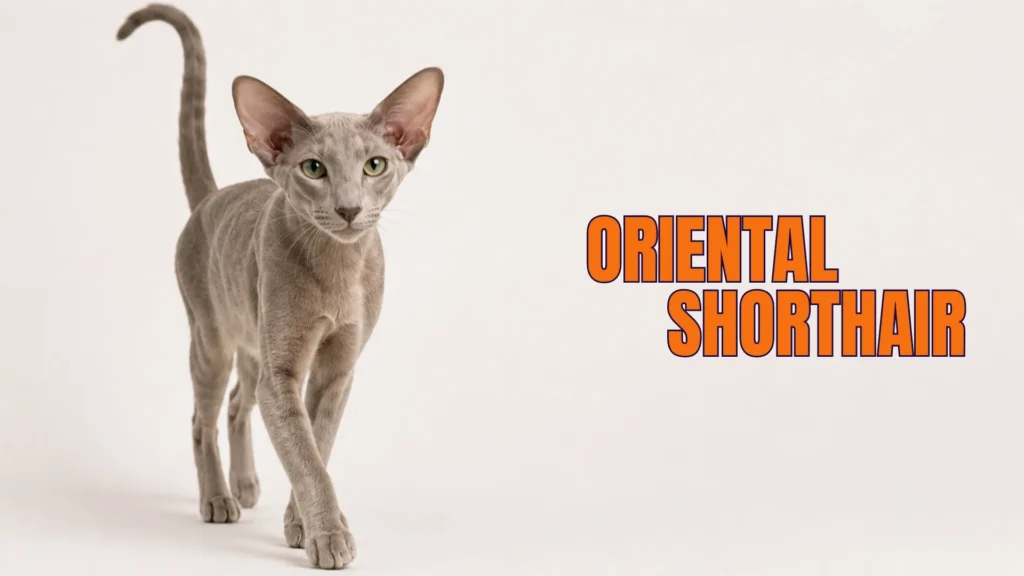
The Oriental Shorthair is a sleek, intelligent, and highly social cat breed that shares close ancestry with the Siamese. Known for its large ears, elegant body, and wide variety of coat colors and patterns, this breed combines striking looks with an energetic personality.
Oriental Shorthairs thrive on companionship and mental stimulation. They enjoy interacting with their families, participating in household activities, and communicating with their owners. Their affectionate and outgoing nature makes them a great choice for people seeking an interactive feline companion.
At a Glance
| Trait | Details |
|---|---|
| Size | Medium |
| Weight | 6–12 lbs (2.7–5.4 kg) |
| Coat | Short, fine |
| Shedding | Low |
| Oriental Shorthair Lifespan | 12–15 years |
| Energy Level | High |
| Affection Level | Very High |
| Grooming Needs | Low |
| Family Friendly | Excellent |
| Beginner Friendly | Good |
| Apartment Friendly | Good |
Why Choose an Oriental Shorthair?
- Highly intelligent and trainable
- Strong bond with family members
- Playful and energetic personality
- Low-maintenance coat
- Available in a wide range of colors and patterns
Things to Consider
Oriental Shorthairs require plenty of attention and mental stimulation to stay happy. Like their Siamese relatives, they can be quite vocal and may not be the best choice for owners seeking a quiet or independent cat.
Ideal For
Oriental Shorthairs are best suited for active owners, interactive households, families, and people who enjoy spending significant time with their pets.
➡ Read our Complete Oriental Shorthair Cat Guide to learn about personality, grooming, health concerns, training, costs, and daily care requirements.
20. Singapura
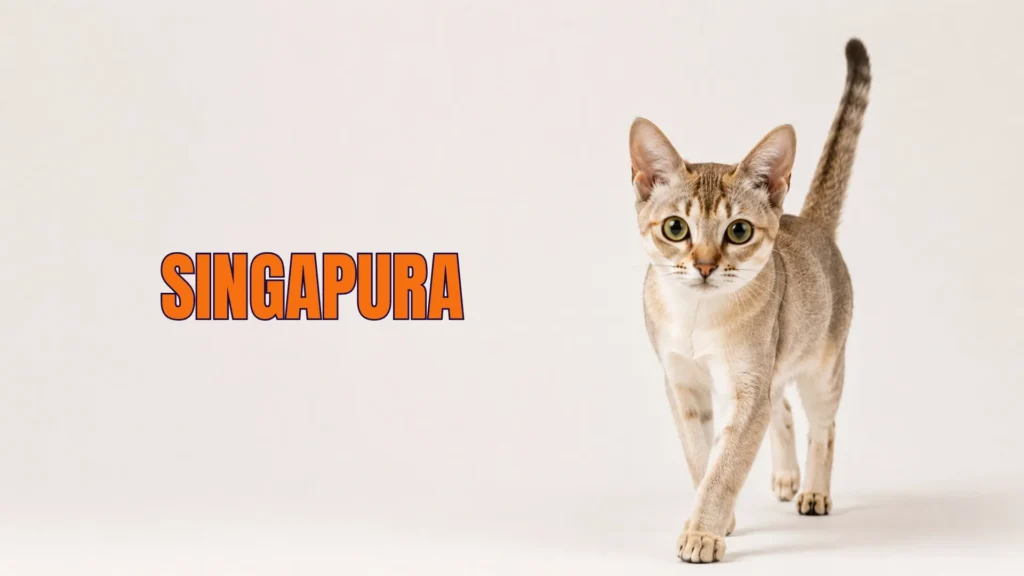
The Singapura is one of the smallest domestic cat breeds in the world, but its tiny size is matched by a surprisingly big personality. Known for its large eyes, curious nature, and affectionate temperament, this breed is often described as energetic, playful, and people-oriented.
Despite their petite stature, Singapuras are confident and active cats that enjoy exploring their surroundings and interacting with their families. Their friendly nature and manageable size make them an excellent choice for a variety of living situations, including apartments.
At a Glance
| Trait | Details |
|---|---|
| Size | Small |
| Weight | 4–8 lbs (1.8–3.6 kg) |
| Coat | Short, ticked |
| Shedding | Low |
| Singapura Lifespan | 11–15 years |
| Energy Level | Moderate to High |
| Affection Level | High |
| Grooming Needs | Low |
| Family Friendly | Excellent |
| Beginner Friendly | Excellent |
| Apartment Friendly | Excellent |
Why Choose a Singapura?
- Compact size ideal for smaller homes
- Curious and playful personality
- Strong bond with family members
- Low-maintenance coat
- Adaptable to apartment living
Things to Consider
Singapuras enjoy interaction and mental stimulation. While they are not as demanding as some highly vocal breeds, they generally prefer households where they receive regular attention, playtime, and companionship.
Ideal For
Singapuras are best suited for apartment dwellers, families, first-time cat owners, and people looking for a small but affectionate companion.
➡ Read our Complete Singapura Cat Guide to learn about personality, grooming, health concerns, nutrition, costs, and daily care requirements.
21. Savannah
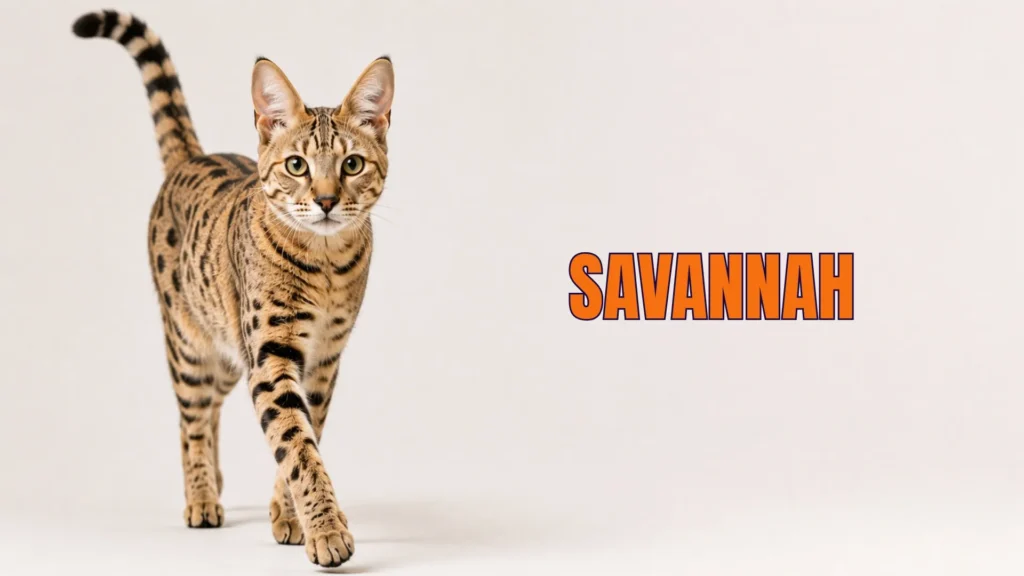
The Savannah is one of the most striking and unique cat breeds in the world. Developed through crosses between the African serval and domestic cats, this breed is known for its tall stature, long legs, spotted coat, and extraordinary athletic ability.
Savannahs are highly intelligent, energetic, and curious cats that thrive on interaction and mental stimulation. They often display behaviors that differ from those of typical house cats, making them a rewarding but demanding choice for experienced owners who can provide plenty of enrichment and activity.
At a Glance
| Trait | Details |
|---|---|
| Size | Large |
| Weight | 12–25 lbs (5.4–11.3 kg) |
| Coat | Short, spotted |
| Shedding | Low to Moderate |
| Savannah Lifespan | 12–20 years |
| Energy Level | Very High |
| Affection Level | High |
| Grooming Needs | Low |
| Family Friendly | Good |
| Beginner Friendly | Poor |
| Apartment Friendly | Moderate |
Why Choose a Savannah?
- Exceptional intelligence and trainability
- Striking wild-cat appearance
- Highly athletic and adventurous
- Strong bond with owners
- Enjoys learning, exploring, and interactive play
Things to Consider
Savannah cats require significantly more exercise, enrichment, and attention than most domestic breeds. Their high energy level, climbing ability, and curiosity mean they need plenty of space and stimulation to remain happy and well-behaved.
Ideal For
Savannahs are best suited for experienced cat owners, active households, and homes that can provide extensive enrichment, climbing opportunities, and daily interaction.
➡ Read our Complete Savannah Cat Guide to learn about personality, exercise needs, legal considerations, health concerns, costs, training, and daily care requirements.
22. Turkish Angora
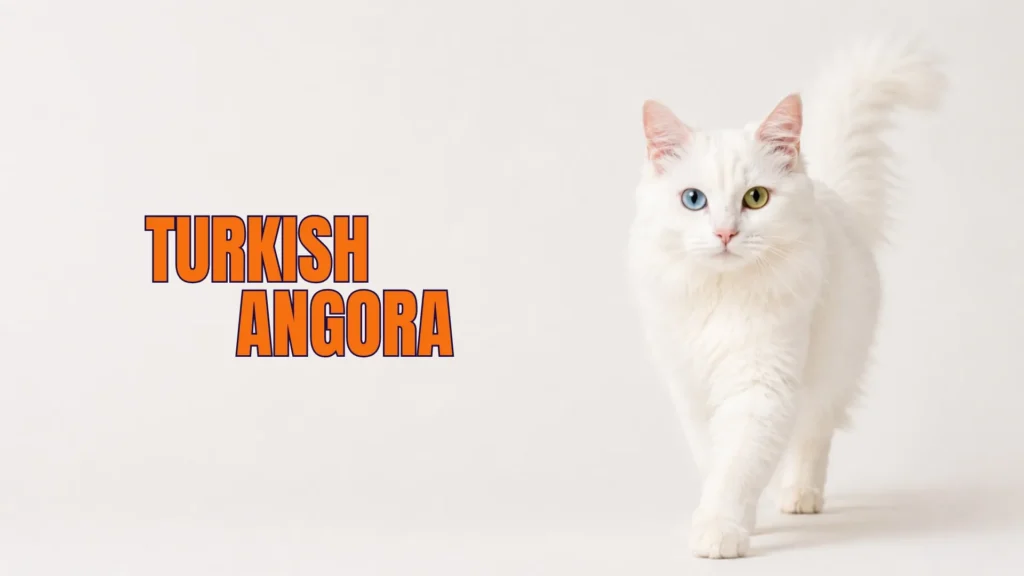
The Turkish Angora is one of the oldest natural cat breeds and is admired for its elegance, intelligence, and graceful appearance. Known for its silky coat and athletic build, this breed combines beauty with an active and playful personality.
Turkish Angoras are highly intelligent and enjoy interacting with their families. They are curious explorers who often seek out high perches, making cat trees and climbing opportunities particularly appealing. Their affectionate nature and lively spirit make them excellent companions for engaged owners.
At a Glance
| Trait | Details |
|---|---|
| Size | Medium |
| Weight | 5–10 lbs (2.3–4.5 kg) |
| Coat | Medium-long, silky |
| Shedding | Moderate |
| Turkish Angora Lifespan | 12–18 years |
| Energy Level | Moderate to High |
| Affection Level | High |
| Grooming Needs | Moderate |
| Family Friendly | Excellent |
| Beginner Friendly | Good |
| Apartment Friendly | Good |
Why Choose a Turkish Angora?
- Elegant and graceful appearance
- Intelligent and highly interactive
- Affectionate with family members
- Playful and athletic personality
- Adapts well to multi-pet households
Things to Consider
Turkish Angoras are active cats that enjoy mental stimulation and climbing opportunities. While their silky coat is generally easier to maintain than many long-haired breeds, regular brushing helps keep it healthy and minimizes shedding.
Ideal For
Turkish Angoras are best suited for families, active owners, multi-pet households, and people looking for an intelligent and affectionate companion.
➡ Read our Complete Turkish Angora Cat Guide to learn about personality, grooming, health concerns, costs, nutrition, and daily care requirements.
23. Turkish Van
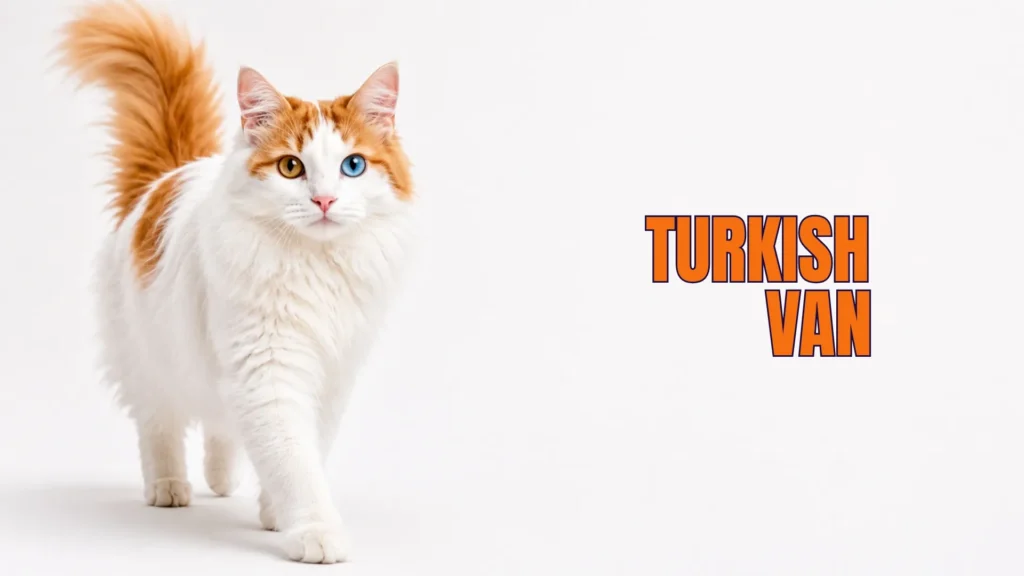
The Turkish Van is a rare and distinctive cat breed best known for its unusual attraction to water. Unlike most cats, many Turkish Vans enjoy playing with running water, splashing in sinks, or investigating faucets, earning them the nickname “the swimming cat.”
Beyond their unique relationship with water, Turkish Vans are intelligent, energetic, and independent companions. They enjoy interactive play, climbing, and exploring their environment, making them a great choice for active households.
At a Glance
| Trait | Details |
|---|---|
| Size | Large |
| Weight | 10–20 lbs (4.5–9 kg) |
| Coat | Semi-long, water-resistant |
| Shedding | Moderate |
| Turkish Van Lifespan | 13–17 years |
| Energy Level | High |
| Affection Level | Medium to High |
| Grooming Needs | Moderate |
| Family Friendly | Excellent |
| Beginner Friendly | Good |
| Apartment Friendly | Good |
Why Choose a Turkish Van?
- Unique fascination with water
- Intelligent and playful personality
- Strong and athletic build
- Enjoys interactive games and exploration
- Forms close bonds with family members
Things to Consider
Turkish Vans are active cats that require regular playtime and enrichment. They are often more independent than highly people-focused breeds and may prefer interaction on their own terms. Their energetic nature also means they benefit from climbing opportunities and plenty of space to explore.
Ideal For
Turkish Vans are best suited for active families, experienced owners, and households looking for an intelligent, playful, and adventurous companion.
➡ Read our Complete Turkish Van Cat Guide to learn about personality, grooming, health concerns, costs, nutrition, and daily care requirements.
24. Birman
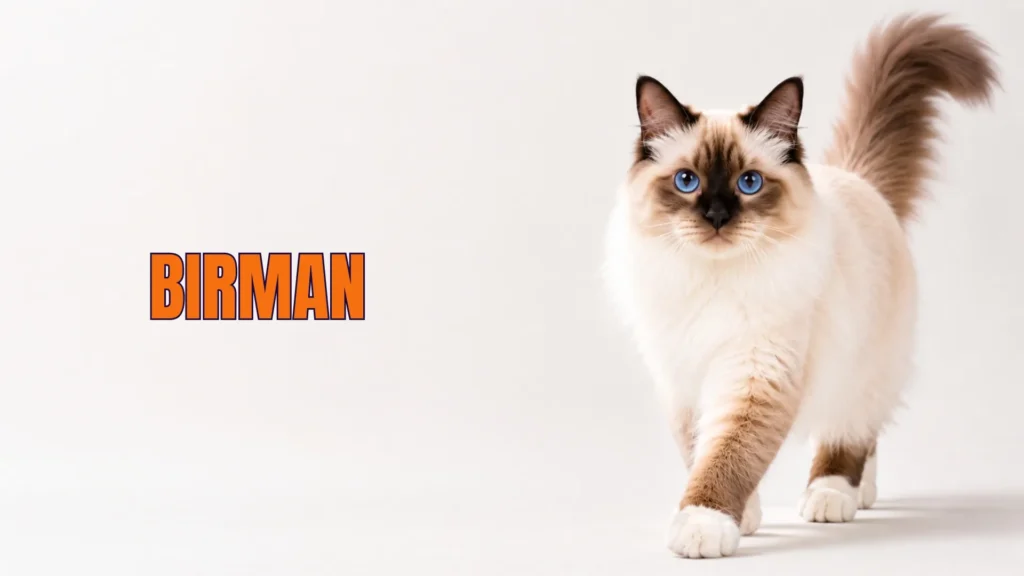
The Birman is a graceful and affectionate cat breed known for its striking blue eyes, silky colorpoint coat, and distinctive white-gloved paws. Often referred to as the “Sacred Cat of Burma,” the Birman combines elegance with a gentle and friendly personality.
Birmans are social cats that enjoy spending time with their families without being overly demanding. Their calm nature and adaptability make them excellent companions for a wide range of households, from families with children to seniors seeking a relaxed feline friend.
At a Glance
| Trait | Details |
|---|---|
| Size | Medium to Large |
| Weight | 8–15 lbs (3.6–6.8 kg) |
| Coat | Semi-long, silky, colorpoint |
| Shedding | Moderate |
| Birman Lifespan | 12–16 years |
| Energy Level | Moderate |
| Affection Level | High |
| Grooming Needs | Moderate |
| Family Friendly | Excellent |
| Beginner Friendly | Excellent |
| Apartment Friendly | Excellent |
Why Choose a Birman?
- Gentle and affectionate temperament
- Beautiful blue eyes and white-gloved paws
- Adaptable to many living situations
- Enjoys companionship without being overly clingy
- Generally gets along well with children and other pets
Things to Consider
Birmans benefit from regular brushing to keep their silky coat looking its best and to reduce loose hair. While generally easygoing, they prefer companionship and may not enjoy being left alone for extended periods.
Ideal For
Birmans are best suited for families, seniors, apartment dwellers, first-time cat owners, and anyone seeking a friendly and relaxed companion.
➡ Read our Complete Birman Cat Guide to learn about personality, grooming, health concerns, costs, nutrition, and daily care requirements.
25. Bombay
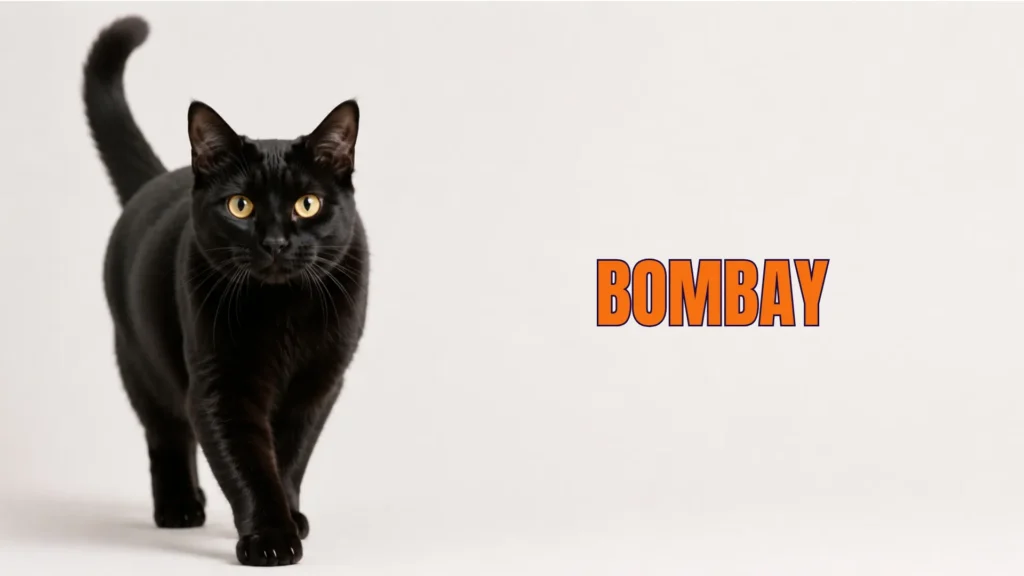
The Bombay is a sleek and affectionate cat breed that was developed to resemble a miniature black panther. With its glossy jet-black coat, muscular body, and striking copper or gold eyes, the Bombay has one of the most distinctive appearances in the cat world.
Despite its exotic look, the Bombay is known for its friendly and people-oriented personality. These cats enjoy spending time with their families, participating in daily activities, and often forming strong bonds with their favorite humans. Their playful nature and adaptability make them excellent companions for a variety of households.
At a Glance
| Trait | Details |
|---|---|
| Size | Medium |
| Weight | 6–11 lbs (2.7–5 kg) |
| Coat | Short, glossy, black |
| Shedding | Low |
| Bombay Lifespan | 12–16 years |
| Energy Level | Moderate |
| Affection Level | High |
| Grooming Needs | Low |
| Family Friendly | Excellent |
| Beginner Friendly | Excellent |
| Apartment Friendly | Excellent |
Why Choose a Bombay?
- Stunning black-panther appearance
- Affectionate and people-oriented personality
- Low-maintenance coat
- Adaptable to apartment living
- Playful and social companion
Things to Consider
Bombays enjoy companionship and may become bored if left alone for long periods. While generally healthy, they benefit from regular exercise, mental stimulation, and routine veterinary care to maintain overall well-being.
Ideal For
Bombays are best suited for families, apartment dwellers, first-time cat owners, seniors, and anyone looking for a friendly and affectionate companion.
➡ Read our Complete Bombay Cat Guide to learn about personality, grooming, health concerns, costs, nutrition, and daily care requirements.
26. Tonkinese
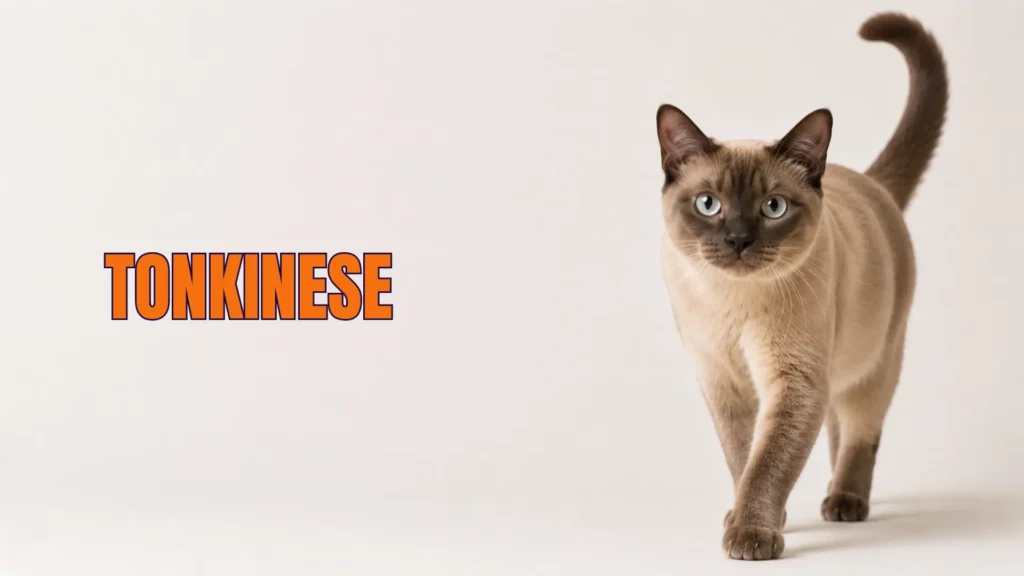
The Tonkinese is a charming and affectionate cat breed that combines the best qualities of the Siamese and Burmese. Known for its playful personality, intelligence, and strong attachment to people, the Tonkinese thrives in households where it can be actively involved in family life.
These cats are highly social and enjoy interacting with both humans and other pets. Their outgoing nature, combined with a moderate-to-high energy level, makes them an excellent choice for owners seeking an engaging and affectionate companion.
At a Glance
| Trait | Details |
|---|---|
| Size | Medium |
| Weight | 6–12 lbs (2.7–5.4 kg) |
| Coat | Short, silky |
| Shedding | Low |
| Tonkinese Lifespan | 14–18 years |
| Energy Level | Moderate to High |
| Affection Level | Very High |
| Grooming Needs | Low |
| Family Friendly | Excellent |
| Beginner Friendly | Excellent |
| Apartment Friendly | Excellent |
Why Choose a Tonkinese?
- Highly affectionate and people-oriented
- Intelligent and playful personality
- Enjoys companionship and interaction
- Low-maintenance coat
- Usually gets along well with children and other pets
Things to Consider
Tonkinese cats dislike being left alone for extended periods and often crave companionship. They benefit from interactive play, puzzle toys, and households where someone is frequently available to engage with them.
Ideal For
Tonkinese cats are best suited for families, multi-pet households, apartment dwellers, and owners seeking a social and affectionate companion.
➡ Read our Complete Tonkinese Cat Guide to learn about personality, grooming, health concerns, costs, nutrition, and daily care requirements.
27. Ragamuffin
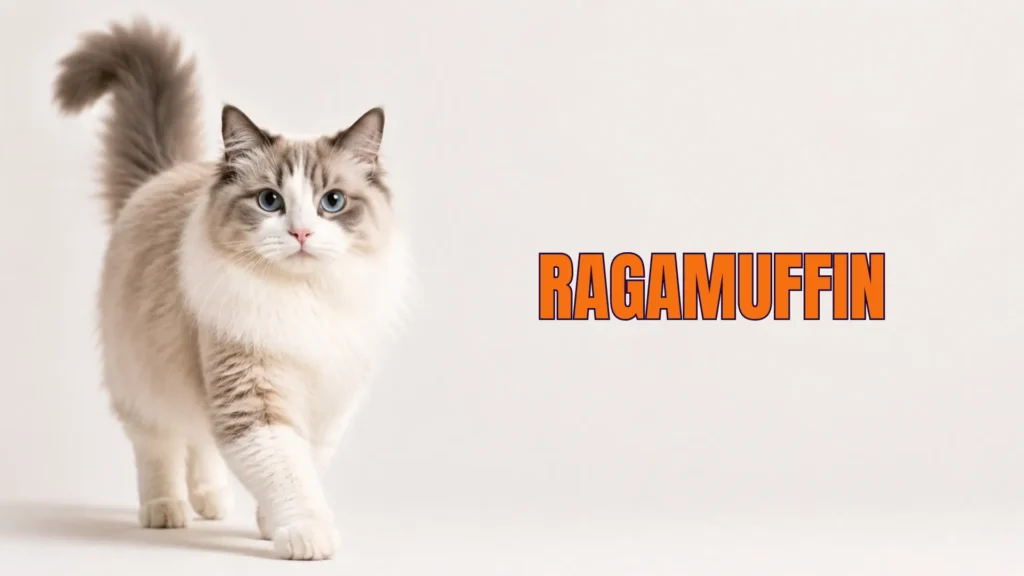
The Ragamuffin is a large, affectionate cat breed known for its sweet personality and relaxed nature. Often compared to the Ragdoll, the Ragamuffin is a devoted companion that enjoys spending time with its family and is frequently happy to be held, cuddled, or simply relax nearby.
With their plush coat, expressive eyes, and gentle temperament, Ragamuffins make excellent pets for households seeking a calm and loving feline companion. They are typically patient, adaptable, and eager to form strong bonds with their owners.
At a Glance
| Trait | Details |
|---|---|
| Size | Large |
| Weight | 10–20 lbs (4.5–9 kg) |
| Coat | Medium to long, plush |
| Shedding | Moderate |
| Ragamuffin Lifespan | 12–16 years |
| Energy Level | Low to Moderate |
| Affection Level | Very High |
| Grooming Needs | Moderate |
| Family Friendly | Excellent |
| Beginner Friendly | Excellent |
| Apartment Friendly | Excellent |
Why Choose a Ragamuffin?
- Extremely affectionate and people-oriented
- Gentle and patient temperament
- Enjoys cuddling and companionship
- Adaptable to various household types
- Excellent choice for families and seniors
Things to Consider
Ragamuffins thrive on companionship and generally prefer households where they receive plenty of attention. Their plush coat benefits from regular brushing to prevent tangles and reduce loose hair.
Ideal For
Ragamuffins are best suited for families, seniors, apartment dwellers, first-time cat owners, and anyone looking for a calm, affectionate indoor companion.
➡ Read our Complete Ragamuffin Cat Guide to learn about personality, grooming, health concerns, costs, nutrition, and daily care requirements.
28. Egyptian Mau
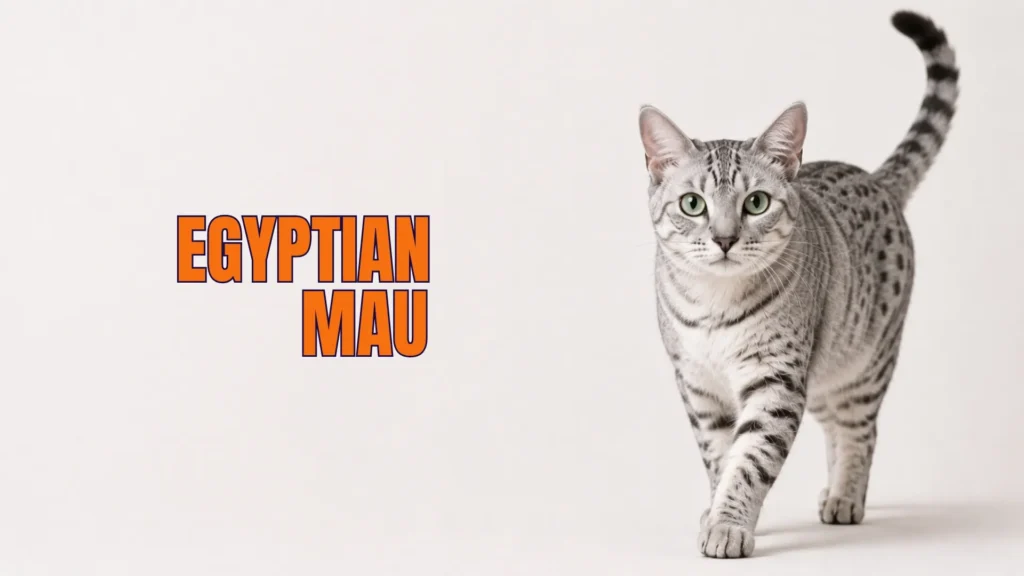
The Egyptian Mau is one of the few naturally spotted domestic cat breeds and is admired for its unique appearance, intelligence, and athletic ability. With its striking green eyes and elegant spotted coat, this breed stands out among cat enthusiasts looking for something truly distinctive.
Beyond its beauty, the Egyptian Mau is known for its speed, agility, and strong loyalty to family members. These cats are active and curious, often forming close bonds with their owners while maintaining a somewhat reserved attitude toward strangers.
At a Glance
| Trait | Details |
|---|---|
| Size | Medium |
| Weight | 6–14 lbs (2.7–6.4 kg) |
| Coat | Short, naturally spotted |
| Shedding | Low to Moderate |
| Egyptian Mau Lifespan | 13–16 years |
| Energy Level | High |
| Affection Level | High |
| Grooming Needs | Low |
| Family Friendly | Good |
| Beginner Friendly | Moderate |
| Apartment Friendly | Good |
Why Choose an Egyptian Mau?
- Unique naturally spotted coat
- Highly athletic and agile
- Strong loyalty to family members
- Intelligent and observant personality
- Low-maintenance grooming requirements
Things to Consider
Egyptian Maus are active cats that require regular playtime and mental stimulation. They may be somewhat reserved around unfamiliar people and often develop the strongest bonds with a small number of family members.
Ideal For
Egyptian Maus are best suited for active owners, experienced cat enthusiasts, and households that can provide plenty of exercise, enrichment, and interaction.
➡ Read our Complete Egyptian Mau Cat Guide to learn about personality, exercise needs, health concerns, costs, nutrition, and daily care requirements.
29. Balinese
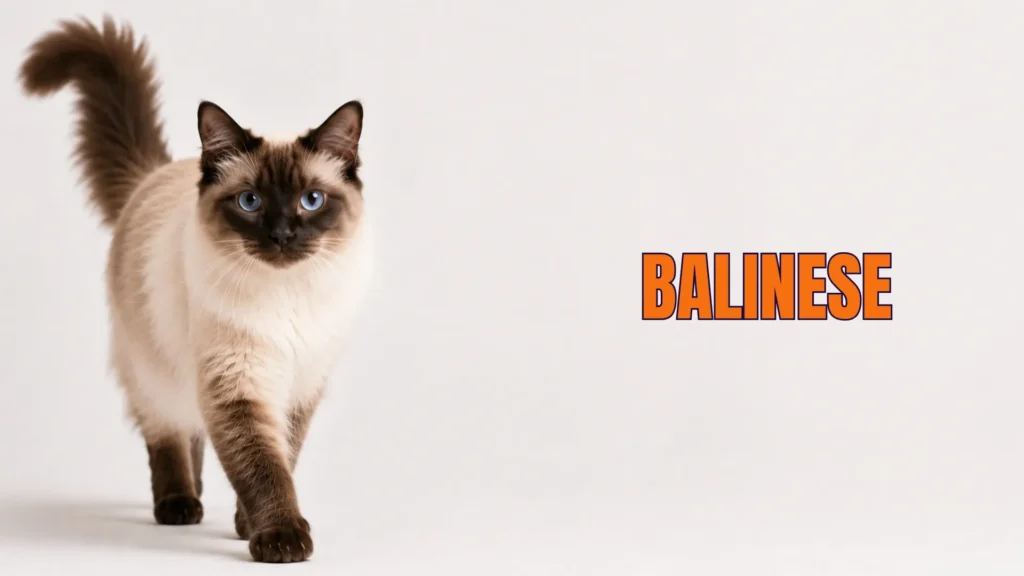
The Balinese is an elegant and affectionate cat breed often described as a long-haired Siamese. With its silky coat, striking blue eyes, and graceful body, the Balinese combines beauty with a highly intelligent and social personality.
Like its Siamese relatives, the Balinese thrives on human interaction and enjoys being involved in family activities. These cats are known for their playful nature, curiosity, and strong bonds with their owners, making them excellent companions for households seeking an interactive pet.
At a Glance
| Trait | Details |
|---|---|
| Size | Medium |
| Weight | 5–12 lbs (2.3–5.4 kg) |
| Coat | Medium-long, silky |
| Shedding | Low to Moderate |
| Balinese Lifespan | 12–20 years |
| Energy Level | High |
| Affection Level | Very High |
| Grooming Needs | Moderate |
| Family Friendly | Excellent |
| Beginner Friendly | Good |
| Apartment Friendly | Good |
Why Choose a Balinese?
- Highly intelligent and trainable
- Affectionate and people-oriented
- Elegant appearance with beautiful blue eyes
- Playful and energetic personality
- Forms strong bonds with family members
Things to Consider
Balinese cats crave companionship and may become bored or lonely if left alone for long periods. They are also known for being vocal and communicative, which may not appeal to owners seeking a quiet pet.
Ideal For
Balinese cats are best suited for interactive households, families, experienced owners, and people who can provide plenty of attention, playtime, and mental stimulation.
➡ Read our Complete Balinese Cat Guide to learn about personality, grooming, health concerns, costs, nutrition, and daily care requirements.
30. Chartreux
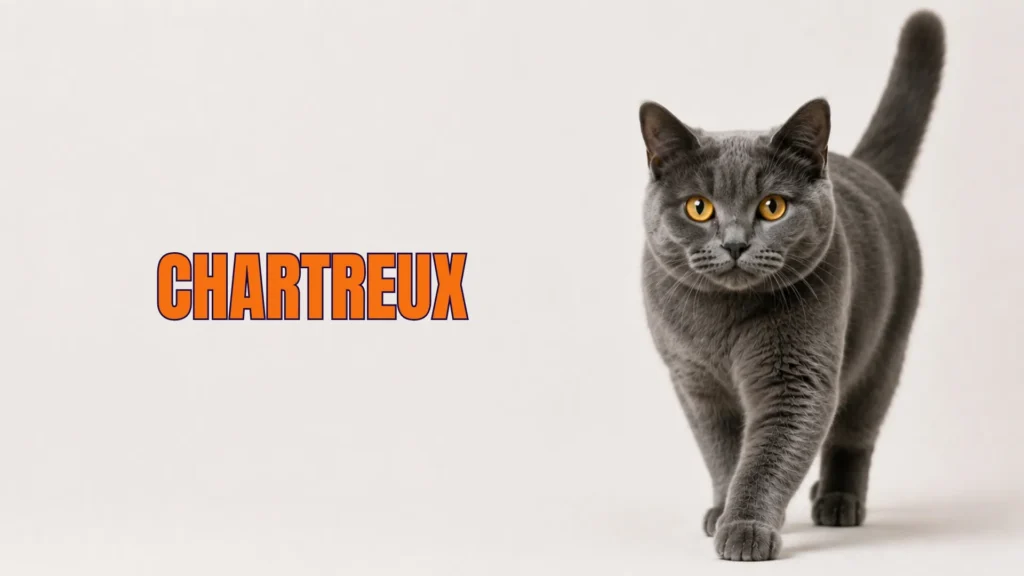
The Chartreux is a rare and elegant cat breed from France, admired for its beautiful blue-gray coat, copper-colored eyes, and calm personality. Known for being quiet and observant, the Chartreux often forms deep bonds with family members while maintaining an independent and composed nature.
Unlike highly vocal breeds, Chartreux cats typically communicate through gentle expressions and subtle interactions. Their combination of loyalty, intelligence, and adaptability makes them excellent companions for a wide variety of households.
At a Glance
| Trait | Details |
|---|---|
| Size | Medium to Large |
| Weight | 7–16 lbs (3.2–7.3 kg) |
| Coat | Short, dense, blue-gray |
| Shedding | Moderate |
| Chartreux Lifespan | 12–15 years |
| Energy Level | Moderate |
| Affection Level | High |
| Grooming Needs | Low |
| Family Friendly | Excellent |
| Beginner Friendly | Excellent |
| Apartment Friendly | Excellent |
Why Choose a Chartreux?
- Quiet and easygoing personality
- Strong bond with family members
- Intelligent and adaptable
- Beautiful blue-gray coat and copper eyes
- Well-suited to apartment and indoor living
Things to Consider
Although generally independent, Chartreux cats enjoy companionship and regular interaction with their families. Their dense coat benefits from weekly brushing, particularly during seasonal shedding periods.
Ideal For
Chartreux cats are best suited for quiet households, professionals, seniors, apartment dwellers, and owners looking for a calm and loyal companion.
➡ Read our Complete Chartreux Cat Guide to learn about personality, grooming, health concerns, costs, nutrition, and daily care requirements.
Complete cat breed comparison table
| Breed | Size | Activity | Grooming | Affection | Beginner Friendly |
|---|---|---|---|---|---|
| Maine Coon | Large | Moderate | Moderate | High | Yes |
| Ragdoll | Large | Low | Moderate | Very High | Yes |
| British Shorthair | Medium | Low | Low | Medium | Yes |
| Siamese | Medium | High | Low | High | Moderate |
| Persian | Medium | Low | High | Medium | Moderate |
| Bengal | Medium | Very High | Low | Medium | No |
| Siberian | Large | Moderate | Moderate | High | Yes |
| Norwegian Forest Cat | Large | Moderate | Moderate | Medium | Yes |
| Burmese | Medium | Moderate | Low | Very High | Yes |
| Russian Blue | Medium | Moderate | Low | Medium | Yes |
| Abyssinian | Medium | Very High | Low | High | Moderate |
| Sphynx | Medium | High | High | Very High | Moderate |
| Scottish Fold | Medium | Moderate | Low | High | Yes |
| Devon Rex | Small | High | Low | High | Yes |
| Cornish Rex | Small | High | Low | High | Yes |
| American Shorthair | Medium | Moderate | Low | Medium | Yes |
| Exotic Shorthair | Medium | Low | Moderate | High | Yes |
| Himalayan | Medium | Low | High | High | Moderate |
| Oriental Shorthair | Medium | High | Low | High | Moderate |
| Singapura | Small | Moderate | Low | High | Yes |
| Savannah | Large | Very High | Low | Medium | No |
| Turkish Angora | Medium | Moderate | Moderate | High | Yes |
| Turkish Van | Large | High | Moderate | Medium | Moderate |
| Birman | Medium | Moderate | Moderate | High | Yes |
| Bombay | Medium | Moderate | Low | High | Yes |
| Tonkinese | Medium | High | Low | High | Yes |
| Ragamuffin | Large | Low | Moderate | Very High | Yes |
| Egyptian Mau | Medium | High | Low | Medium | Moderate |
| Balinese | Medium | High | Moderate | High | Moderate |
| Chartreux | Medium | Moderate | Low | Medium | Yes |
Which cat breed is right for you?
This is where many owners make their final decision.
Choosing the right breed isn’t about finding the most beautiful cat. It’s about finding the cat that naturally fits your daily routine, home environment, budget, and expectations.
A breed that works perfectly for one household may become a poor fit in another. Read our guide, “Most Affectionate Cat Breeds to Cuddle, ” to know which cat breed is right for you.
Best cat breeds for first-time owners
First-time cat owners usually benefit from breeds that are adaptable, forgiving, and relatively easy to care for.
Recommended breeds
- British Shorthair
- American Shorthair
- Ragdoll
- Maine Coon
- Burmese
- Birman
Why these breeds work well
- Predictable personalities
- Moderate care requirements
- Strong adaptability
- Good family compatibility
- Generally easy to manage
Best cat breeds for families with children
Families need cats that can tolerate activity, occasional noise, and changing routines. Read our Best Cat Breeds for Families guide to find the perfect cat to bring home.
Top family breeds
| Breed | Family Rating |
|---|---|
| Maine Coon | Excellent |
| Ragdoll | Excellent |
| Siberian | Excellent |
| Burmese | Excellent |
| Birman | Very Good |
| American Shorthair | Very Good |
These breeds generally handle family environments better than more sensitive breeds.
Best cat breeds for apartment living
Apartment living requires adaptability more than small size.
A calm large cat often adapts better than an extremely active small cat.
Excellent apartment breeds
- British Shorthair
- Ragdoll
- Russian Blue
- Persian
- Scottish Fold
- Chartreux
- Exotic Shorthair
Apartment owner checklist
Provide:
- Cat trees
- Window perches
- Interactive toys
- Daily play sessions
- Scratching surfaces
These factors often matter more than apartment size itself.
Best cat breeds for seniors
Many seniors want a cat that provides companionship without requiring constant supervision or intense daily exercise.
The ideal senior-friendly cat is affectionate, predictable, adaptable, and relatively easy to care for.
Recommended breeds for seniors
Ragdoll
Ragdolls are often considered one of the best companion breeds for retirees and seniors.
They enjoy spending time near their owners, adapt well to indoor living, and generally maintain a calm temperament.
British Shorthair
This breed combines independence with affection.
British Shorthairs appreciate companionship but usually don’t become overly demanding, making them a practical choice for quieter households.
Birman
Birmans are affectionate without being overly energetic.
They tend to form strong bonds with family members and adapt well to calm environments.
Persian
Persians are known for their relaxed lifestyle and preference for peaceful routines.
However, potential owners should consider the grooming commitment before choosing this breed.
Ragamuffin
Ragamuffins are gentle, patient, and people-oriented.
Their calm nature makes them excellent companions for individuals seeking a devoted indoor cat.
Traits seniors should prioritize
When selecting a cat, consider:
- Low to moderate activity level
- Friendly temperament
- Indoor adaptability
- Predictable behavior
- Manageable grooming needs
A cat’s personality often matters more than age when determining compatibility.
Best cat breeds for allergy sufferers
No cat breed is truly hypoallergenic.
However, some breeds may produce lower levels of the Fel d 1 protein, which triggers allergies in many people.
Individuals with allergies should spend time with a breed before making a commitment.
Breeds commonly recommended for allergy sufferers
Siberian
Many allergy-sensitive owners report fewer symptoms around Siberians.
Although they possess a thick coat, some studies and owner experiences suggest they may produce lower levels of allergy-triggering proteins.
Balinese
Often called the “long-haired hypoallergenic cat,” the Balinese may produce lower amounts of Fel d 1 compared to some other breeds.
Devon Rex
Because of their unique coat structure, Devon Rex cats may spread fewer allergens around the home.
Cornish Rex
Cornish Rex cats have a single-layer coat that sheds less than many traditional breeds.
Sphynx
Hairless does not mean allergen-free.
However, because there is less fur to spread allergens throughout the home, some allergy sufferers find Sphynx cats easier to tolerate.
Allergy management tips
Even with allergy-friendly breeds, these strategies can help:
- Use HEPA air purifiers
- Vacuum regularly
- Wash bedding frequently
- Keep cats out of bedrooms if symptoms are severe
- Wash hands after handling cats
Always prioritize real-world exposure before adopting.
Best cat breeds for busy professionals
Many professionals spend long hours away from home.
This doesn’t mean cat ownership is impossible, but breed selection becomes especially important.
Highly dependent breeds may struggle when left alone for extended periods.
Recommended breeds for busy professionals
British Shorthair
One of the most adaptable breeds for busy lifestyles.
They appreciate companionship while remaining relatively independent.
Russian Blue
Russian Blues often establish predictable routines and adapt well to structured households.
American Shorthair
Known for flexibility and easygoing personalities.
Chartreux
Quiet and low-maintenance, Chartreux cats often do well in professional households.
Exotic Shorthair
The Exotic Shorthair offers a calm personality with moderate care requirements.
Breeds that may struggle with extended solitude
These breeds typically prefer frequent interaction:
- Siamese
- Burmese
- Tonkinese
- Sphynx
- Oriental Shorthair
Busy owners considering these breeds should provide additional enrichment and companionship.
Best cat breeds for multi-pet households
Some cats naturally accept other pets more readily than others.
Introducing animals properly remains important, but certain breeds generally adapt better.
Top choices
Maine Coon
Maine Coons are widely known for their sociable personalities.
They often coexist peacefully with dogs and other cats.
Ragdoll
Ragdolls typically display patience and adaptability in multi-pet homes.
Burmese
Their social nature often makes introductions easier.
Siberian
Confident without being aggressive, Siberians usually adapt well to family environments.
Birman
Birmans frequently form positive relationships with other pets.
Indoor vs outdoor cat breeds
Veterinarians generally recommend keeping cats indoors or providing supervised outdoor access.
Indoor cats typically face fewer dangers, including:
- Traffic accidents
- Predators
- Infectious diseases
- Poisoning risks
- Theft
Best indoor cat breeds
Many breeds thrive entirely indoors when provided adequate enrichment.
Top indoor choices
- Ragdoll
- Persian
- British Shorthair
- Russian Blue
- Birman
- Scottish Fold
- Exotic Shorthair
These breeds often adapt exceptionally well to indoor living.
Breeds requiring significant enrichment
Some cats need more stimulation than others.
Examples include:
- Bengal
- Savannah
- Abyssinian
- Siamese
- Oriental Shorthair
Owners should provide:
- Cat trees
- Puzzle feeders
- Window perches
- Interactive toys
- Daily play sessions
Without enrichment, boredom-related behaviors may emerge.
Grooming requirements by coat type
Grooming affects both your schedule and long-term ownership costs.
Understanding coat maintenance before adoption prevents surprises later.
Low-grooming breeds
These cats require minimal maintenance.
Examples include:
- Siamese
- Burmese
- Bombay
- Russian Blue
- American Shorthair
Typical grooming schedule
- Weekly brushing
- Regular nail trimming
- Routine ear checks
Moderate-grooming breeds
These breeds require more attention but remain manageable for most owners.
Examples include:
- Maine Coon
- Ragdoll
- Birman
- Siberian
- Turkish Angora
Typical grooming schedule
- Brushing two to three times weekly
- Seasonal shedding management
- Routine nail care
High-grooming breeds
These breeds require consistent coat maintenance.
Examples include:
- Persian
- Himalayan
Typical grooming schedule
- Daily brushing
- Frequent coat inspections
- Professional grooming when needed
Owners should budget both time and money for coat care.
Understanding cat ownership costs
The purchase or adoption fee is only a small portion of lifetime ownership expenses.
Cats typically live well over a decade, making long-term planning essential.
Initial expenses
| Expense | Estimated Cost Range |
|---|---|
| Adoption or purchase | Varies significantly |
| Carrier | Moderate |
| Litter box | Low to moderate |
| Food bowls | Low |
| Scratching post | Moderate |
| Cat tree | Moderate to high |
| Initial veterinary care | Moderate |
Ongoing annual expenses
Food
Premium nutrition often becomes one of the largest recurring costs.
Veterinary care
Routine examinations help identify health concerns early.
Litter
Monthly litter expenses accumulate throughout a cat’s life.
Grooming
Some breeds require professional assistance.
Pet insurance
Many owners choose insurance to help manage unexpected medical costs.
Cat breed lifestyle matching guide
One of the easiest ways to narrow your choices is by matching breed traits to your daily lifestyle.
If you want a lap cat
Consider:
- Ragdoll
- Ragamuffin
- Birman
- Persian
If you want an active companion
Consider:
- Bengal
- Abyssinian
- Savannah
- Siamese
If you want a low-maintenance cat
Consider:
- British Shorthair
- Russian Blue
- American Shorthair
- Bombay
If you want a highly social cat
Consider:
- Burmese
- Siamese
- Sphynx
- Tonkinese
If you want a large cat
Consider:
- Maine Coon
- Norwegian Forest Cat
- Siberian
- Savannah
Cat breed decision matrix
Use this quick reference chart to identify strong matches.
| Lifestyle | Recommended Breeds |
|---|---|
| First-time owner | British Shorthair, Ragdoll, American Shorthair |
| Family with children | Maine Coon, Ragdoll, Siberian |
| Apartment living | British Shorthair, Russian Blue, Persian |
| Senior owner | Birman, Ragdoll, Ragamuffin |
| Allergy concerns | Siberian, Balinese, Devon Rex |
| Active household | Bengal, Abyssinian, Savannah |
| Multi-pet home | Maine Coon, Birman, Burmese |
| Busy professional | Russian Blue, British Shorthair, Chartreux |
This decision matrix provides a starting point, but individual personalities always matter.
A well-socialized cat of almost any breed can become a wonderful companion when matched with the right owner and environment.
Cat health considerations by breed
Every cat breed has strengths and weaknesses when it comes to health.
While responsible breeding can reduce inherited risks, no breed is completely free from potential health concerns. Understanding common issues helps owners make informed decisions and recognize warning signs early.
Why genetic health matters
A healthy kitten starts long before adoption.
Responsible breeders perform health screening tests to reduce the risk of passing inherited conditions to future generations.
When evaluating a breeder, always ask about:
- Health testing
- Veterinary records
- Genetic screening
- Parent health history
- Breed-specific certifications
A reputable breeder should willingly provide documentation.
Common health concerns by breed
| Breed | Common Health Concerns |
|---|---|
| Maine Coon | Hypertrophic cardiomyopathy, hip dysplasia |
| Ragdoll | Heart disease, urinary issues |
| Persian | Breathing problems, eye disorders |
| Siamese | Dental disease, retinal conditions |
| Bengal | Progressive retinal atrophy, heart disease |
| Scottish Fold | Joint and cartilage disorders |
| Sphynx | Heart disease, skin issues |
| Norwegian Forest Cat | Hip dysplasia, heart disease |
| British Shorthair | Obesity, heart conditions |
| Himalayan | Kidney disease, respiratory concerns |
Remember that having a predisposition does not guarantee a cat will develop a condition.
Good breeding, proper nutrition, preventive veterinary care, and a healthy environment all play important roles.
Signs your cat may need veterinary attention
Contact your veterinarian if you notice:
- Sudden appetite loss
- Weight loss
- Difficulty breathing
- Persistent vomiting
- Diarrhea lasting more than 24 hours
- Changes in litter box habits
- Excessive drinking
- Lethargy
- Sudden behavioral changes
Cats often hide illness until problems become serious.
Early intervention improves outcomes.
Nutrition requirements by breed type
All cats are obligate carnivores.
Unlike humans and dogs, cats require nutrients that naturally occur in animal-based proteins.
A breed’s size, activity level, age, and health status influence nutritional needs.
Nutrition for large cat breeds
Large breeds include:
- Maine Coon
- Ragdoll
- Siberian
- Norwegian Forest Cat
- Savannah
These cats generally benefit from:
- High-quality protein
- Controlled growth during kittenhood
- Joint support nutrients
- Appropriate calorie management
Rapid growth can place stress on developing joints.
Nutrition for highly active breeds
Examples include:
- Bengal
- Abyssinian
- Siamese
- Savannah
- Oriental Shorthair
Active cats often burn more calories than sedentary breeds.
Many thrive with:
- Higher protein intake
- Interactive feeding systems
- Scheduled meals
- Environmental enrichment
Nutrition for senior cats
Senior cats often benefit from:
- Increased moisture intake
- Easier-to-digest proteins
- Weight management
- Joint support supplements when recommended by a veterinarian
Regular veterinary monitoring becomes increasingly important with age.
Wet food vs dry food
Both can have a place in a healthy diet.
Wet food advantages
- Higher moisture content
- Often improves hydration
- May support urinary health
Dry food advantages
- Convenient storage
- Often lower cost per serving
- Easy portion management
Many veterinarians recommend a combination approach.
Adoption vs breeder: which is better?
There is no single correct answer.
The best choice depends on your goals, preferences, and circumstances.
Benefits of adoption
Millions of cats need homes worldwide.
Adoption offers several advantages.
Pros
- Saves a life
- Lower upfront cost
- Adult personality often known
- Supports animal welfare
Potential limitations
- Limited breed availability
- Unknown medical history in some cases
Many wonderful companions come from shelters and rescue organizations.
Benefits of purchasing from a breeder
Responsible breeders focus on preserving breed characteristics and improving health outcomes.
Pros
- Predictable traits
- Documented lineage
- Known health history
- Breed-specific support
Potential limitations
- Higher cost
- Waiting lists
- Breed availability varies
Quality matters significantly more than convenience.
How to identify a responsible breeder
Unfortunately, not all breeders prioritize health and welfare.
Knowing what to look for helps avoid future problems.
Positive signs
A responsible breeder will:
- Allow questions
- Provide health records
- Perform genetic testing
- Raise kittens in clean environments
- Prioritize temperament
- Provide contracts
- Offer lifetime support
They care where their kittens go.
Red flags
Avoid breeders who:
- Always have kittens available
- Refuse health documentation
- Offer unusually low prices
- Avoid questions
- Sell kittens too young
- Provide no health guarantees
If something feels wrong, continue your search.
Cat breed myths vs reality
Misinformation is common in the pet world.
Let’s separate fact from fiction.
| Myth | Reality |
|---|---|
| All cats are independent | Many breeds crave daily companionship |
| Hairless cats require no grooming | Hairless breeds often require more maintenance |
| Purebred cats are healthier | Health depends on breeding quality |
| Large cats need large homes | Enrichment matters more than square footage |
| Indoor cats get bored automatically | Proper enrichment prevents boredom |
| Cats cannot be trained | Many breeds learn commands and tricks |
| Expensive breeds make better pets | Compatibility matters most |
| Cats don’t need exercise | Every cat needs physical activity |
Expert tips for successful cat ownership
Owners often focus heavily on choosing a breed.
Long-term success usually depends on daily care habits.
Create vertical territory
Cats naturally seek elevated spaces.
Provide:
- Cat trees
- Shelves
- Window perches
- Climbing structures
Vertical territory helps reduce stress and boredom.
Prioritize play
Interactive play supports:
- Physical fitness
- Mental stimulation
- Bonding
- Behavioral health
Aim for at least two daily play sessions.
Maintain routine
Cats appreciate predictability.
Consistent feeding, cleaning, and play schedules often reduce stress-related behaviors.
Provide scratching opportunities
Scratching is a natural behavior.
Offer:
- Vertical scratching posts
- Horizontal scratchers
- Multiple locations
Never punish normal scratching behavior.
Schedule preventive veterinary care
Preventive care often costs less than emergency treatment.
Routine examinations help detect problems before symptoms become severe.
Conclusion
Choosing a cat is about much more than appearance.
The best cat breed is not necessarily the rarest, most expensive, or most popular breed. The best cat is the one whose personality, activity level, grooming needs, and lifestyle requirements align naturally with your household.
Families often thrive with Maine Coons, Ragdolls, and Siberians. Busy professionals frequently appreciate the independence of British Shorthairs and Russian Blues. Active owners may enjoy the challenge and intelligence of Bengals or Abyssinians, while seniors often prefer the gentle companionship of Birmans, Ragamuffins, or Ragdolls.
Every breed offers something unique. Understanding those differences before adoption helps create a stronger bond and a happier life for both owner and cat.
Whether you adopt from a shelter or work with a responsible breeder, take the time to research, ask questions, and prioritize long-term compatibility. A cat may share your home for two decades or more, making thoughtful breed selection one of the most important decisions a future cat owner can make.
By matching the right breed to the right lifestyle, you’ll be well on your way to finding a feline companion that becomes a cherished member of the family for many years to come.
Frequently asked questions about cat breeds
1. What is the friendliest cat breed?
A. Ragdolls, Burmese, Maine Coons, and Ragamuffins are frequently considered among the friendliest breeds.
2. What is the easiest cat breed for beginners?
A. British Shorthairs, American Shorthairs, and Ragdolls are excellent choices for first-time owners.
3. What is the largest domestic cat breed?
A. The Maine Coon is widely recognized as one of the largest domestic cat breeds.
4. Which cat breed sheds the least?
A. Devon Rex, Cornish Rex, and Sphynx cats generally shed less than many traditional breeds.
5. Are hairless cats hypoallergenic?
A. No, Hairless cats still produce allergens. Some allergy sufferers tolerate them better, but reactions vary.
6. Which cat breed lives the longest?
A. Siamese cats often reach 15 to 20 years or longer with proper care.
7. Which breed is best for children?
A. Maine Coons, Ragdolls, Siberians, and Burmese cats are excellent family choices.
8. Which breed is best for apartments?
A. British Shorthairs, Ragdolls, Russian Blues, and Persians typically adapt well to apartment living.
9. Are purebred cats better than mixed-breed cats?
A. Not necessarily. Both purebred and mixed-breed cats can become exceptional companions.
10. Are Bengals good for beginners?
A. Usually not. Their activity level and enrichment needs can overwhelm inexperienced owners.
11. Which cat breed is the smartest?
A. Intelligence is difficult to measure, but Bengals, Abyssinians, Siamese, and Savannahs are often considered highly intelligent.
Disclaimer
The information provided in this Cat Breeds Guide is for educational and informational purposes only. While we strive to ensure accuracy and keep our content up to date, cat breeds can vary significantly in personality, behavior, health, and care requirements. Individual cats may not exhibit all characteristics commonly associated with their breed.
This article should not be considered veterinary, medical, behavioral, or professional breeding advice. Always consult a qualified veterinarian, certified animal behaviorist, or reputable breeder regarding your cat’s specific health, nutrition, training, or care needs.
Breed descriptions, health concerns, lifespan estimates, and temperament traits are based on generally recognized breed standards and commonly observed characteristics. These factors may vary due to genetics, environment, socialization, and individual differences.
Before adopting or purchasing a cat, conduct your own research and evaluate whether a particular breed is suitable for your lifestyle, living situation, budget, and long-term commitment. BowBowMeow.com is not responsible for decisions made based on the information presented in this guide.
By using this content, you acknowledge that pet ownership involves responsibilities and risks that may differ from one cat to another.

Hi, I’m Jak, the founder of BowBowMeow.com and a passionate pet parent who shares life with both a dog and a cat. I created this website to help fellow pet owners find reliable, easy-to-understand information about pet care, nutrition, behavior, grooming, training, and breed-specific topics.
Drawing from both extensive research and hands-on experience as a pet owner, I aim to provide practical, trustworthy content that helps dogs and cats live happier, healthier lives.
Disclaimer: I am not a veterinarian or certified animal professional. The information shared on BowBowMeow.com is for educational purposes only and should not replace professional veterinary advice, diagnosis, or treatment.